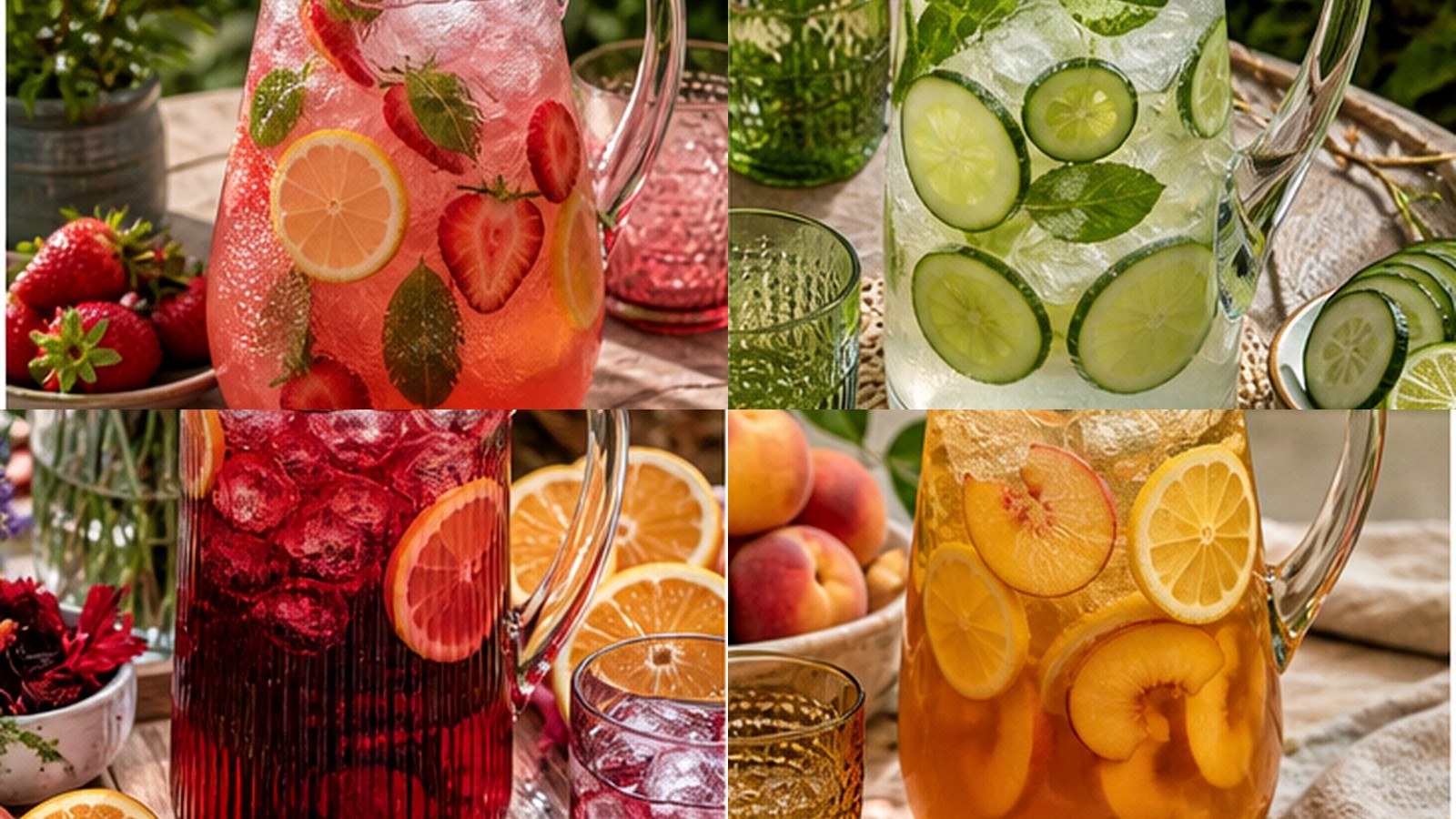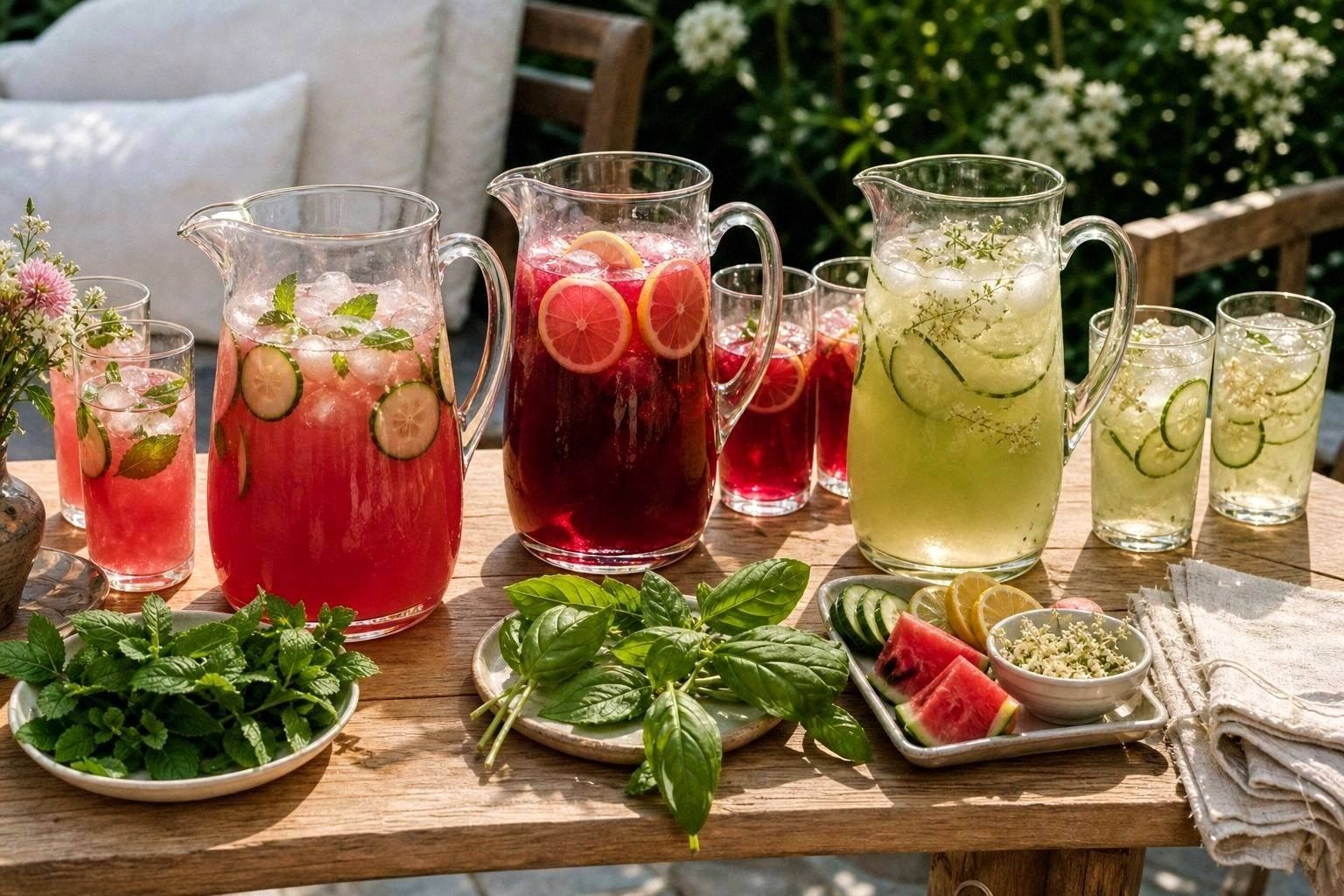
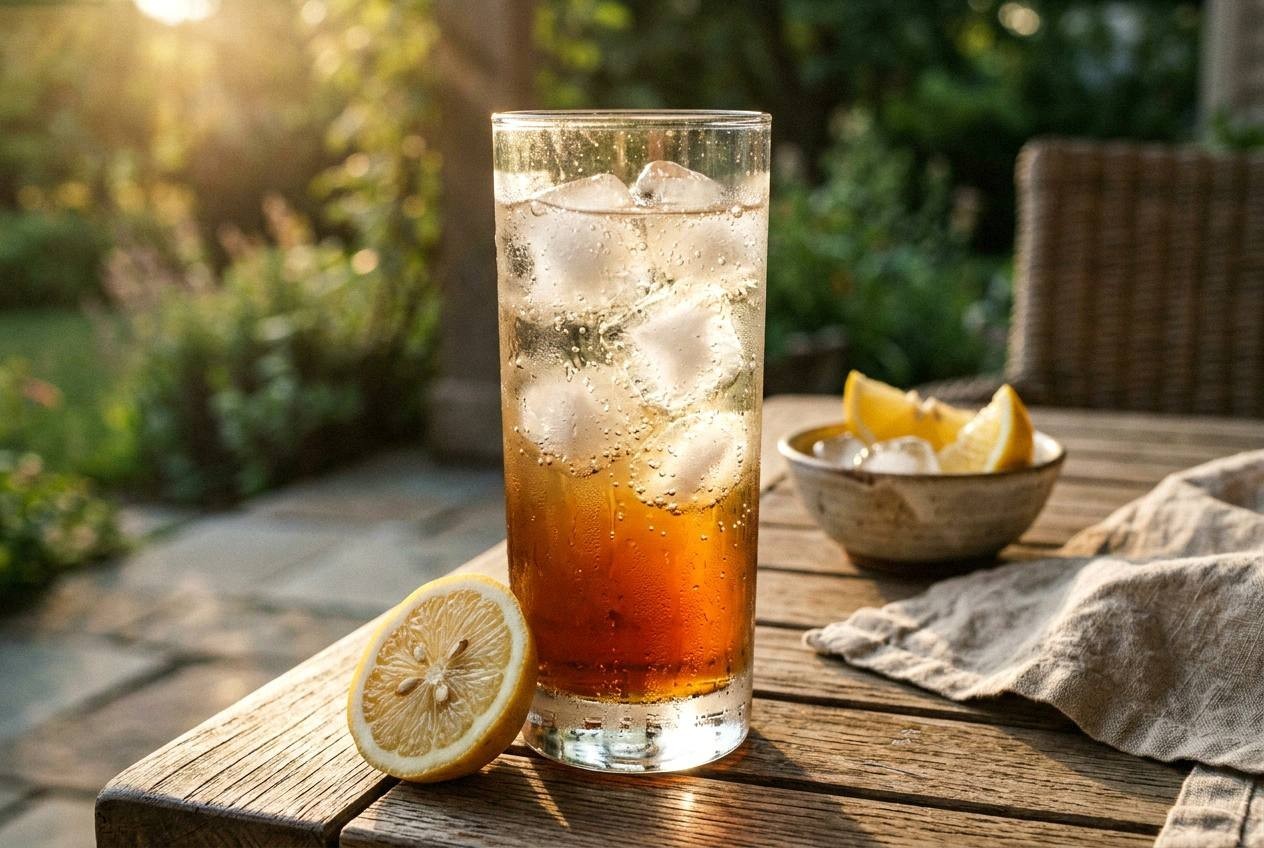
Sparkling iced tea mocktails are the drink the porch was built for. Hot tea concentrate goes into a chilled pitcher, citrus or fruit goes on top, and the seltzer hits the glass last so the bubbles stay lively all the way to the bottom. Done right, the drink has the structure of a cocktail without the alcohol, and the flavor of a properly steeped tea instead of a sugary mix.
The trick is steeping by tea type, not by habit. Black tea wants a full boil. Green and jasmine want cooler water or they go bitter. Hibiscus and rooibos want long steeps in fully boiling water. Get those right and the rest of the build is easy.
At a Glance
| Tea type | Water temp | Steep time | Best sparkling pair | Glass |
|---|---|---|---|---|
| Black (Earl Grey, Assam, Ceylon) | 212F (full boil) | 3 to 5 minutes | Lemon seltzer or tonic | Tall highball |
| Green (jasmine, sencha) | 175 to 180F | 1 to 2 minutes | Plain sparkling water | Wine glass or coupe |
| Hibiscus , rooibos, chamomile | 212F (full boil) | 5 to 10 minutes | Plain or citrus seltzer | Tall highball |
Why Sparkling Iced Tea Works as a Mocktail
A good mocktail needs a backbone. Plain seltzer and fruit juice tend to taste like soft drinks. Tea gives you tannins (in black teas), florals (in jasmine), and a slightly bitter mineral pull (in hibiscus) that fills the same structural role alcohol does in a cocktail.
Sparkling water on top adds lift. It turns a flat glass of iced tea into something that feels worth setting on a coaster. And because tea is mostly water already, the dilution from melting ice is much more forgiving than in a spirits-based drink.
The other practical reason: you can brew a pitcher of strong tea in the morning, chill it, and pour spritzers all afternoon without re-steeping. It scales for a porch full of people the way a cocktail recipe rarely does.
Ingredients and Tea Choices
A few things worth knowing before you start brewing.
- Loose leaf over bags when you have it. Bagged tea is fine for everyday use, but the leaf-to-water ratio is easier to control with loose. Two grams (about a teaspoon) per cup is a safe baseline for black, green, and jasmine. Use one heaping tablespoon of dried hibiscus per cup, because the petals are large and light.
- Brew at twice the strength you want to drink. Ice dilutes everything. If you steep a “perfect” cup and pour it over ice plus sparkling water, you end up with weak tea. Steep a 2x concentrate, chill, and the finished mocktail tastes like tea, not tea-flavored water.
- Sweeten while the tea is still warm. Honey, sugar, and most syrups dissolve cleanly in hot tea and seize up in cold. Stir in your sweetener right after you pull the leaves, then chill.
- Cold sparkling water only. Warm seltzer goes flat in about a minute. Keep the bottle in the fridge until pour time.
- Citrus is structural. A squeeze of lemon or lime tightens up almost any tea spritzer. It cuts the tannins in black tea, brightens jasmine, and balances the tartness in hibiscus.
For tea-brewing credibility, the temperatures above come from standard guides used by tea importers (see ArtfulTea’s brewing temperature guide ). Going hotter than the recommended range is the single most common mistake with green and jasmine tea, and it is why most homemade iced green tea tastes harsh.
How to Make Each Tea Mocktail
Three recipes, three different temperatures, three different finishes. Each makes two glasses unless you scale up.
Earl Grey Lemon Fizz
Tea base
- 2 Earl Grey tea bags or 2 teaspoons loose Earl Grey
- 2 cups water, boiled to 212F (full boil)
- 1 tablespoon honey or simple syrup, optional
To assemble (per glass)
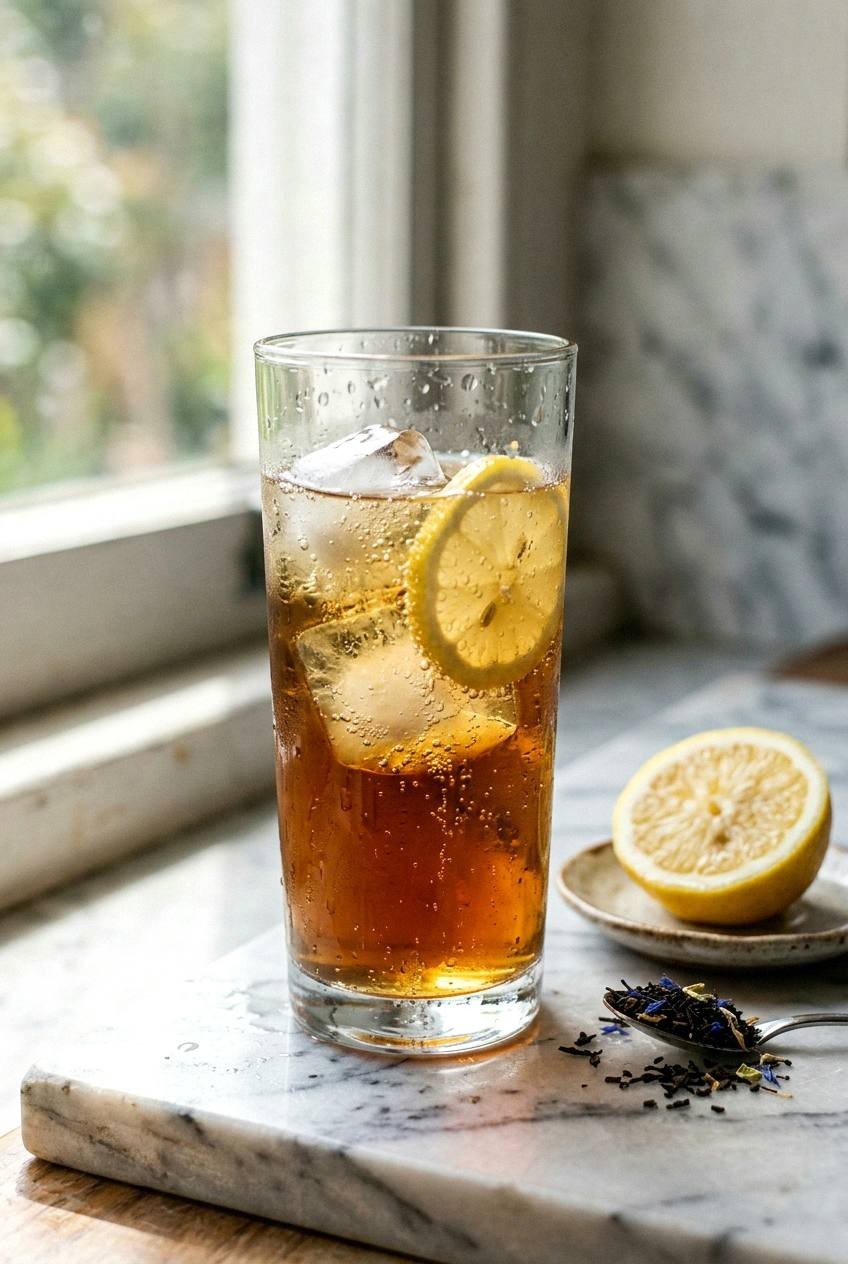
- 6 oz chilled Earl Grey tea
- Juice of 1/2 lemon
- 4 oz cold sparkling water or lemon seltzer
- 1 lemon wheel
- Large ice cubes
Steep the Earl Grey in just-boiled water for 4 minutes. Pull the bags or strain the leaves (do not let them sit, or the tannins turn the drink astringent and grippy). Stir in honey while the tea is warm. Chill the tea fully, at least 2 hours.
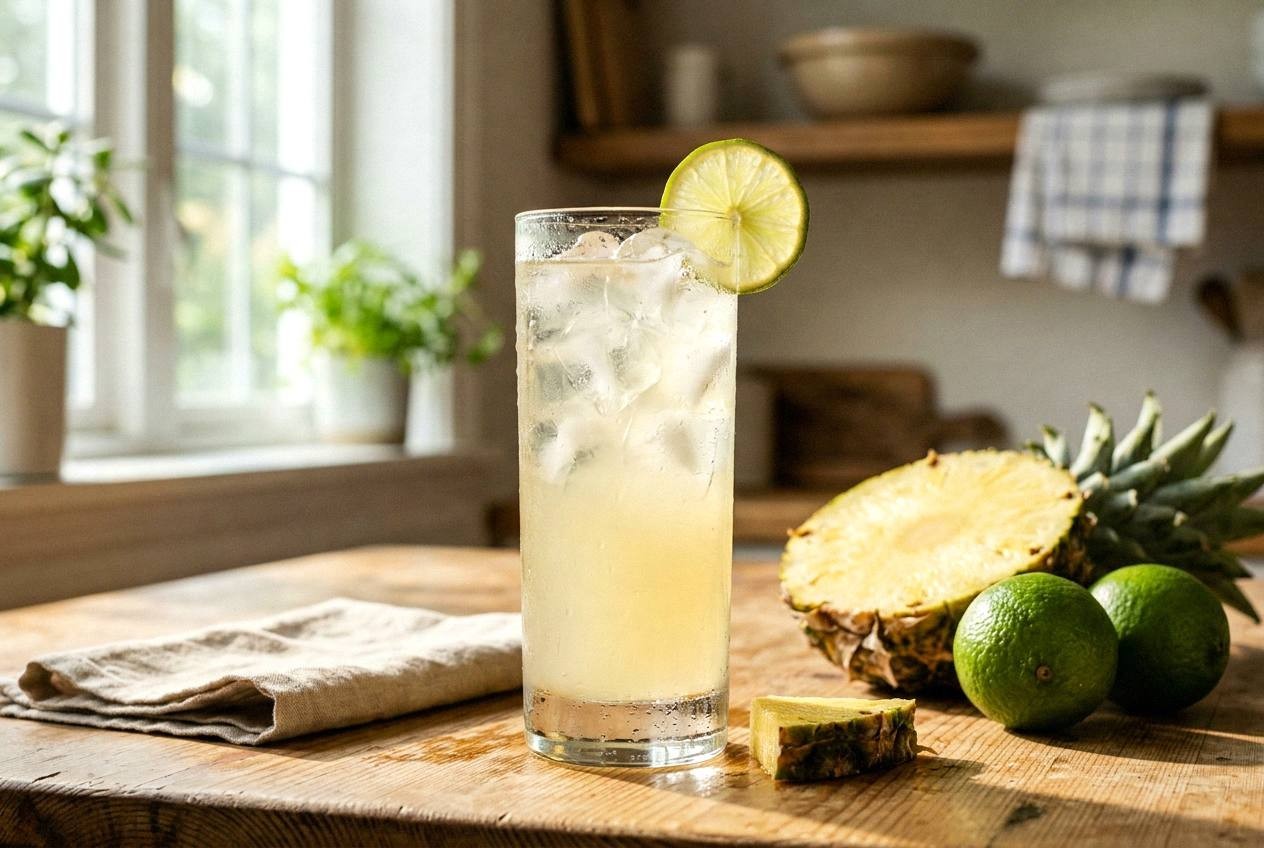
Fill a tall glass with large ice cubes. Pour the cold Earl Grey two-thirds of the way up. Squeeze in fresh lemon juice. Top with cold sparkling water and slide a lemon wheel down the side of the glass.
The bergamot in Earl Grey is what makes this drink work. It already smells like a cocktail. A clean glass of this with one lemon wheel looks like something from a hotel bar, which is the whole point.
Jasmine Raspberry Spritzer
Tea base
- 2 teaspoons loose jasmine green tea or 2 jasmine tea bags
- 2 cups water, heated to 175 to 180F (not boiling)
- 1 to 2 teaspoons honey, optional
To assemble (per glass)
- 6 oz chilled jasmine tea
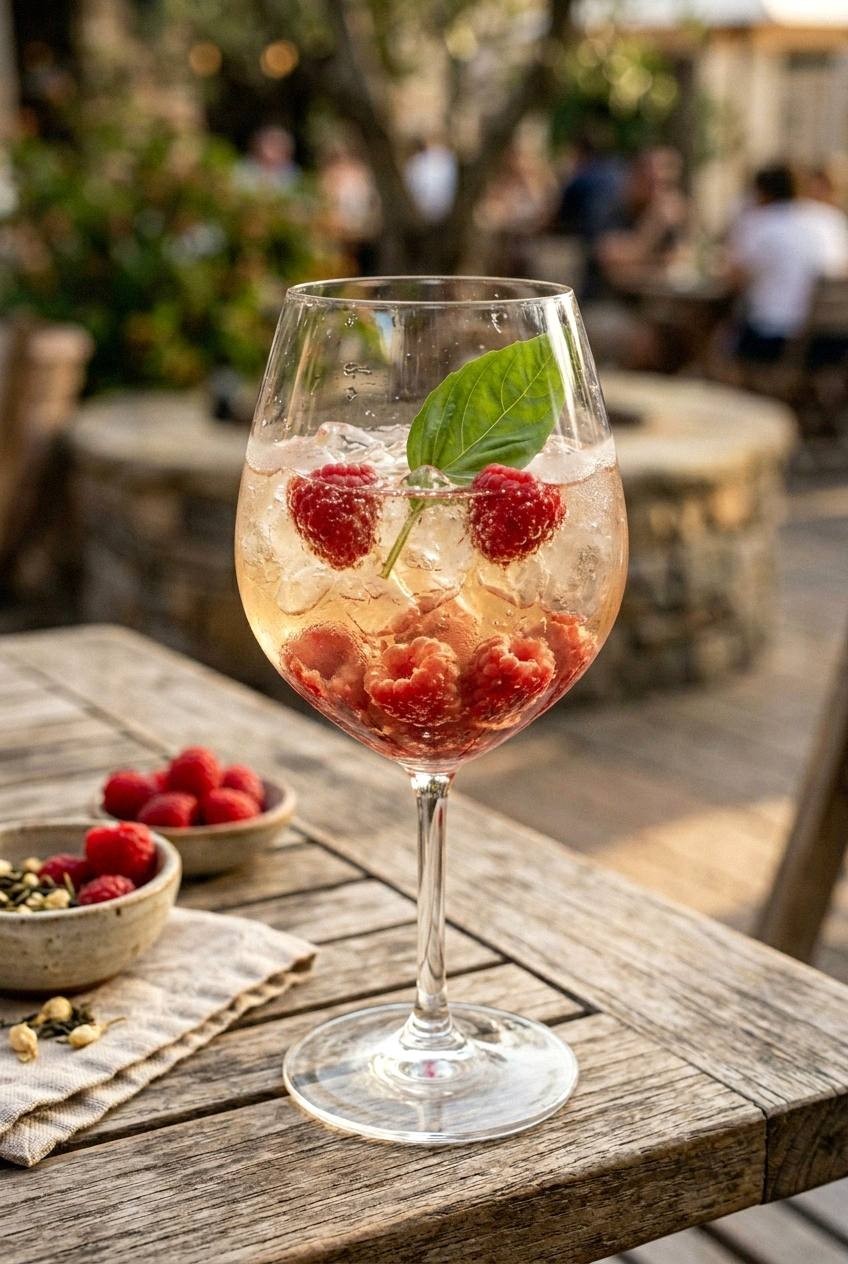
- 6 fresh raspberries, lightly muddled
- 1 teaspoon fresh lemon juice
- 4 oz cold plain sparkling water
- 2 more raspberries and a small basil leaf for garnish
- Crushed ice
For the water, take the kettle off the heat just before it boils, or pour boiling water into a cold pitcher and wait 30 seconds. Pour over the jasmine leaves and steep 90 seconds to 2 minutes. Any longer and the floral notes get overrun by green-tea bitterness. Strain, sweeten lightly if you want, chill.
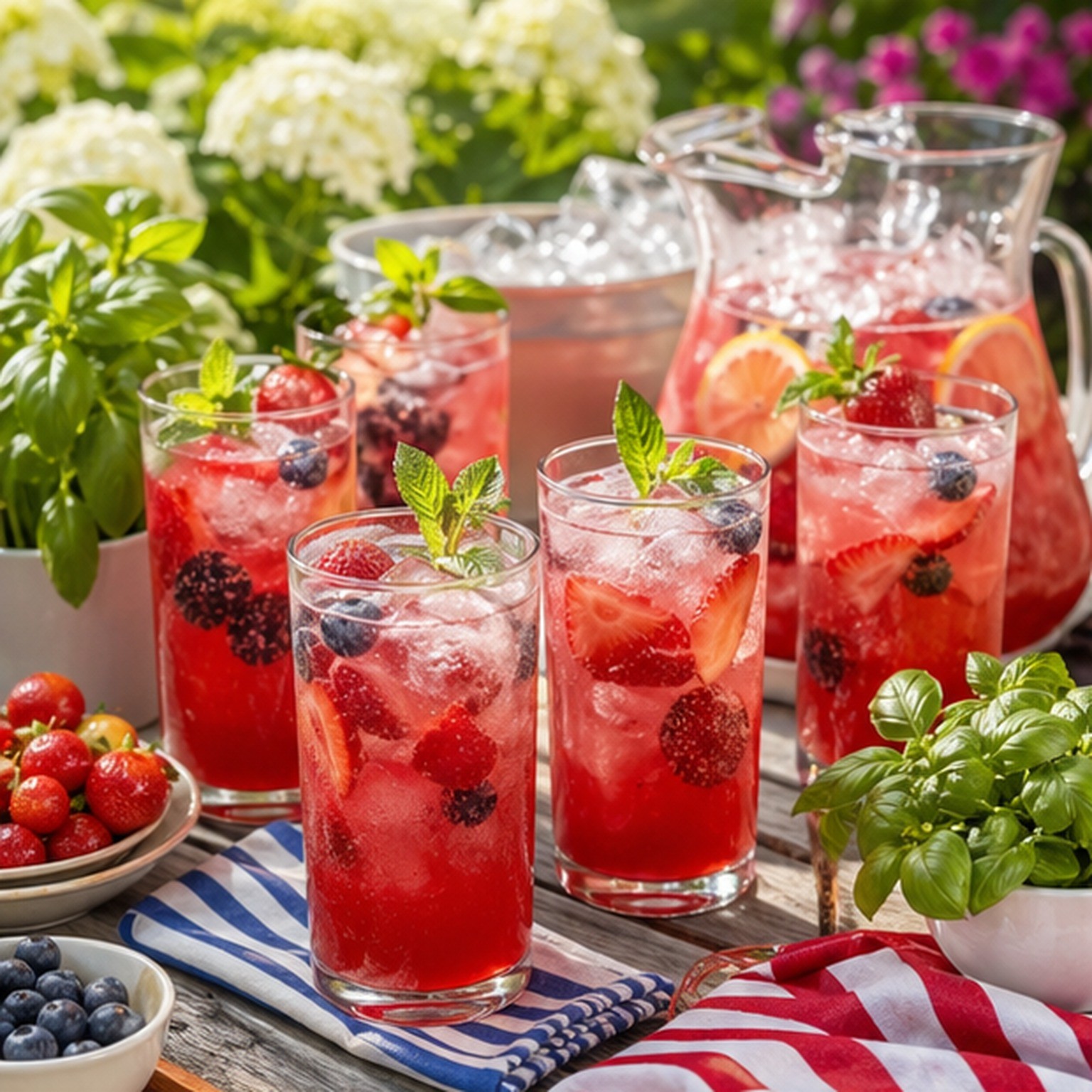
In the bottom of a wine glass or coupe, lightly press six raspberries with the back of a spoon. Add crushed ice. Pour over chilled jasmine tea, add the lemon juice, top with plain sparkling water. Drop two whole raspberries on top and tuck in a single basil leaf beside them.
Jasmine and raspberry share a perfumed sweetness, and the basil keeps the drink from sliding into dessert territory. Use plain seltzer, not flavored, so the jasmine is the loudest note.
Hibiscus Lime Cooler
Tea base
- 1/3 cup dried hibiscus flowers
- 4 cups water, boiled to 212F
- 2 tablespoons honey or maple syrup
To assemble (per glass)
- 6 oz chilled hibiscus tea
- Juice of 1/2 lime
- 4 oz cold sparkling water or grapefruit seltzer
- 1 lime wheel
- Large ice cubes
Hibiscus is forgiving. Pour boiling water over the dried flowers and steep 5 to 10 minutes (longer for a more intense, tarter drink). Strain through a fine mesh strainer to catch the petal bits. Stir in honey while warm. Chill until very cold.
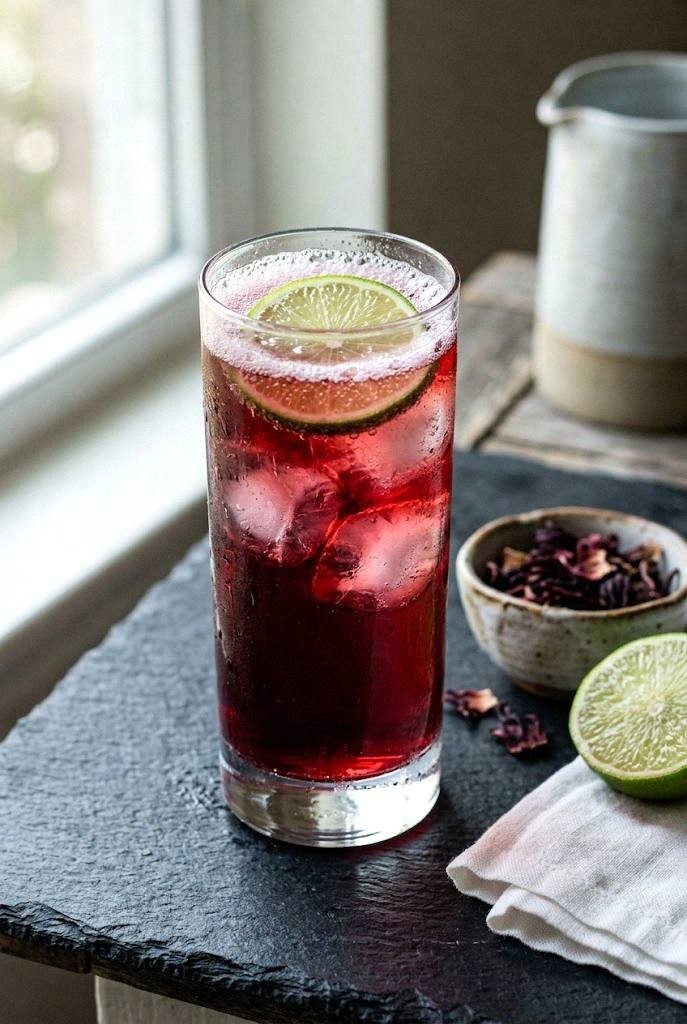
Fill a tall glass with large ice cubes. Pour the deep-red hibiscus tea two-thirds of the way up. Squeeze in lime juice. Top with cold sparkling water or grapefruit seltzer for a sharper finish. Float a lime wheel.
This is the prettiest of the three. The color is somewhere between cranberry and pomegranate, and it stays vibrant even with seltzer on top. It is also caffeine-free, which makes it the right pour for late afternoon when you do not want a buzz with dinner still hours away.
Sparkling Water and Ice Strategy
Two things kill a sparkling iced tea mocktail faster than anything else: warm seltzer and small ice. Both lead to the same problem, which is a drink that goes flat and watery in under five minutes.
For the bubbles to last, the sparkling water needs to be cold (refrigerator cold, not just out-of-the-pantry cold), the bottle needs to be freshly opened, and it needs to go into the glass last. Pouring seltzer into warm or room-temperature tea releases the CO2 almost instantly. Build the drink in this order every time: ice, then tea, then citrus or fruit, then sparkling water at the end. Do not stir aggressively after the seltzer goes in. One gentle lift with a long spoon is enough.
For the ice, larger is better. Big cubes or one large rock melts more slowly than crushed ice, which means less dilution. Crushed ice is fine for the jasmine raspberry version where you want the drink frosty and slushy, but for the Earl Grey and hibiscus versions, use the largest cubes you can fit in the glass.
If you want to go a step further, freeze a second batch of the tea itself into ice cubes. Tea cubes melt into tea, not water, and the drink stays at full flavor for an hour on the porch.
Sparkling water choice: plain seltzer is the most versatile and lets the tea speak. Lemon or lime seltzer works for citrus-forward versions. Tonic adds a clean bitter pull that flatters black teas and hibiscus, but skip it with jasmine, where the quinine fights the florals. Skip sweetened sparkling drinks entirely; the tea concentrate plus your honey is already enough sweetness.
Variations
Peach black tea fizz. Use the Earl Grey base, or swap in plain Assam or Ceylon. Add two slices of ripe peach to the glass, muddle lightly, top with peach seltzer.
Mint green tea spritzer. Same brewing rules as jasmine (175F, short steep). Skip the raspberries and add a small handful of fresh mint leaves to the chilled tea. Top with plain seltzer and a long mint sprig laid across the rim.
Cold-brew rooibos cooler. Steep 1/4 cup loose rooibos in 4 cups cold water in the refrigerator overnight, then strain. Build with orange juice (1 tablespoon per glass), ice, sparkling water, and a half-moon of orange.
Butterfly pea flower sparkler. Steep a teaspoon of dried butterfly pea flowers in just-boiled water for 5 minutes. The tea is sapphire blue. Squeeze in lemon and it turns purple in front of you, then add sparkling water. A party trick that happens to taste like clean lemonade.
Chamomile honey fizz. Steep chamomile in boiling water for 5 minutes. Chill, sweeten lightly with honey, top with sparkling water and a thin slice of fresh ginger laid on the ice. Calm, floral, useful in the late afternoon.
Common Questions
Can I cold brew the tea instead of hot brewing?
Yes, and it works especially well for black and herbal teas . Use the same leaf-to-water ratio (about 2 grams or 1 teaspoon per cup), combine with cold water in a jar, and refrigerate for 8 to 12 hours. Strain and use as the base. Cold-brewed black tea is smoother and less tannic than hot-brewed and chilled, which some people prefer for a long afternoon drink. Green tea cold brews well too, with a softer, sweeter flavor and almost no bitterness.
Why is my green tea spritzer bitter?
Almost always a temperature problem. Green and jasmine teas should be steeped at 175 to 180F, not at a full boil. If you used a kettle that does not stop short of boiling, let the water cool for 60 to 90 seconds in the pot before pouring over the leaves. Also pull the leaves after 2 minutes at most. Bitterness comes from over-extraction of tannins.
How long does brewed tea keep in the refrigerator?
Brewed black and herbal teas keep well in a clean covered pitcher for 3 to 5 days. Green and jasmine teas are best within 2 days, because they go grassy and dull faster. Always cover the pitcher; otherwise the tea picks up refrigerator smells almost immediately.
Can I make this in a big pitcher for a party?
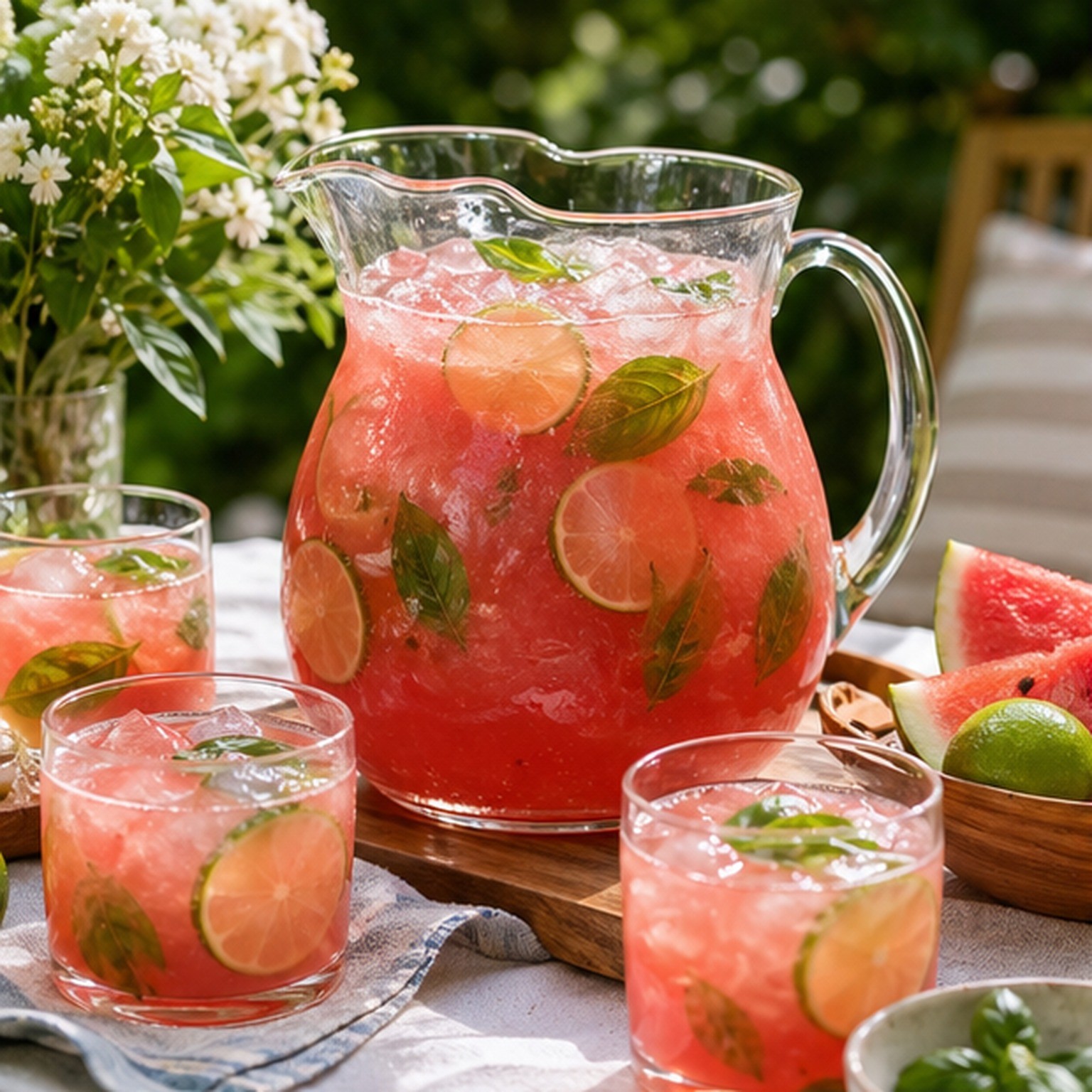
Yes, with one important rule. Brew and chill the tea concentrate in the pitcher with the citrus and any fruit, but do not add sparkling water until you pour. Add the seltzer to each glass individually so every drink starts bubbly. A pitcher with sparkling water already in it will be flat in 15 minutes.
Do these mocktails have caffeine?
Black and green teas (including Earl Grey and jasmine) contain caffeine, though less than coffee. A standard cup of brewed black tea has about 40 to 70 mg of caffeine; green tea has about 20 to 45 mg. Because these mocktails use a 2x concentrate cut with seltzer, a finished glass lands roughly in the same range as a regular cup of tea. The hibiscus, rooibos, chamomile, and butterfly pea versions are caffeine-free.
Make the tea right, keep the seltzer cold, and pour the sparkling water last.