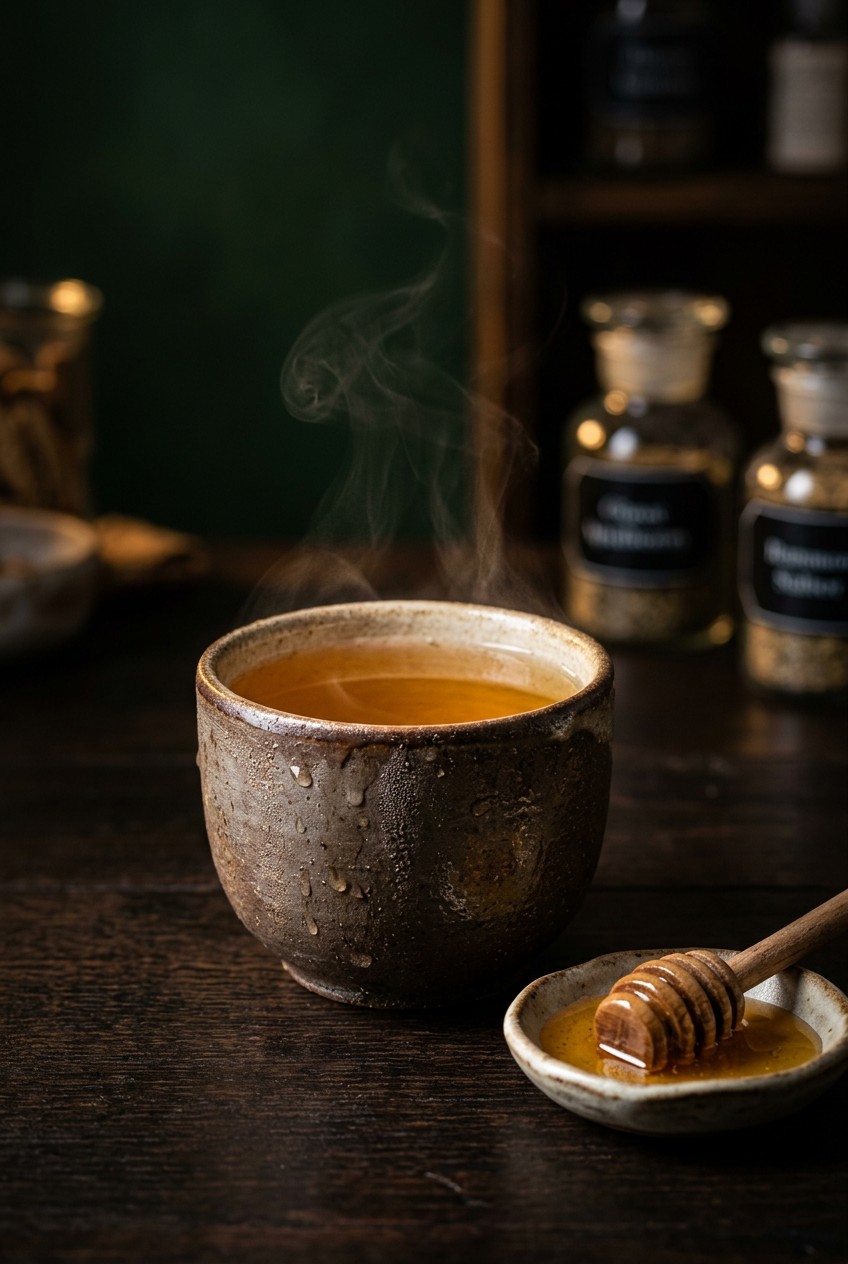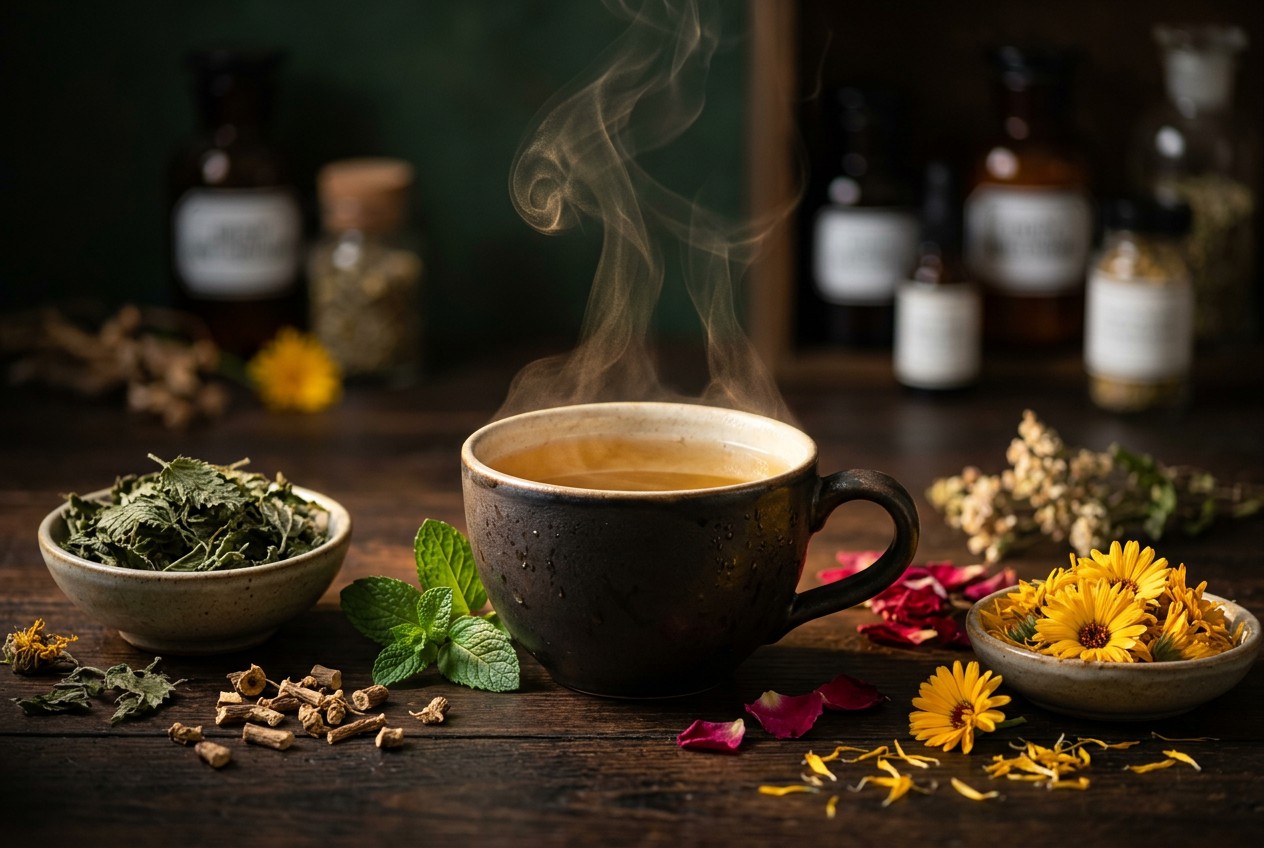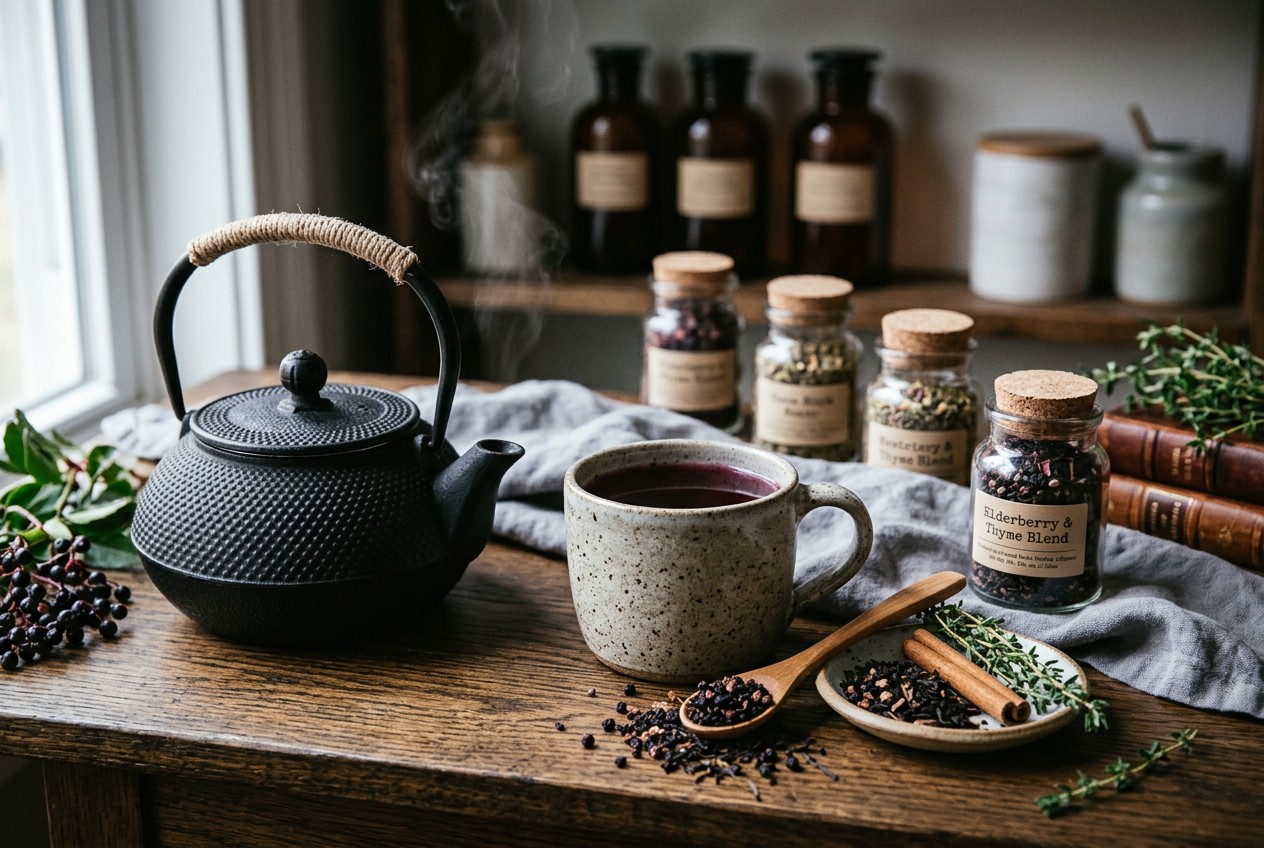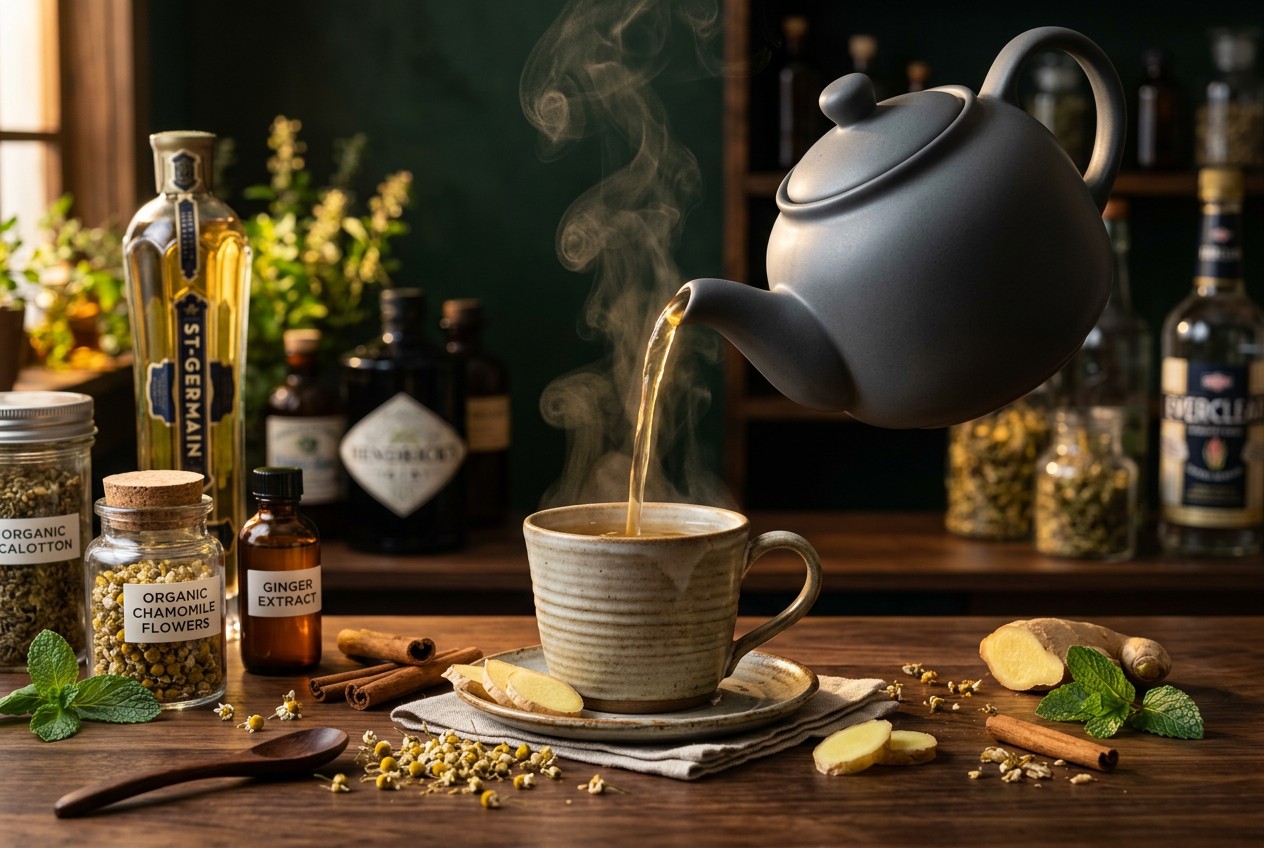
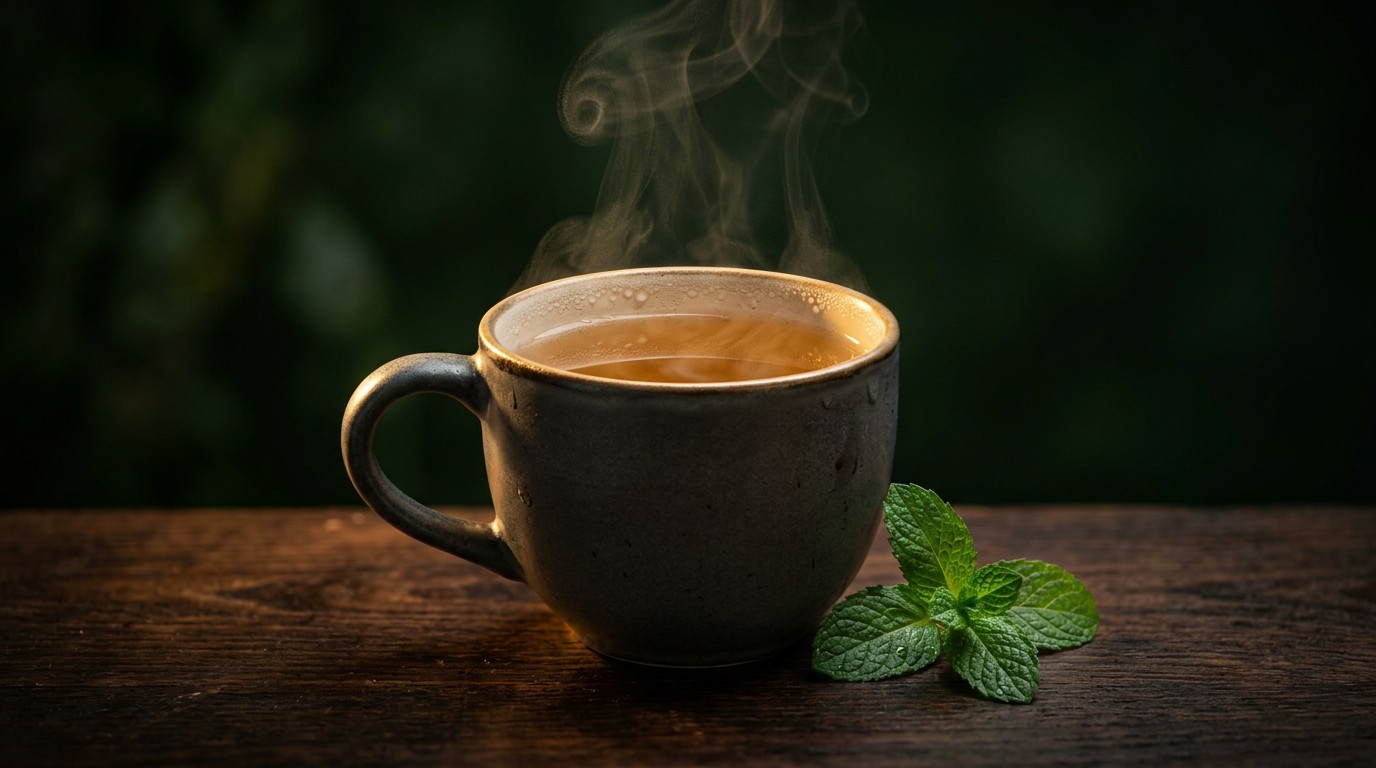
Herbal allergy tea recipe with nettle, peppermint, and elderflower. Natural antihistamine support for spring. Get the recipe.
Why You Will Love This
The first warm days of spring arrive with tree pollen, and suddenly your mornings taste like itchy eyes and congestion. This herbal allergy tea recipe brings together three traditional antihistamine herbs: nettle leaf, peppermint, and elderflower. The blend is earthy, slightly sweet, and cooling. It works best when you drink it daily throughout allergy season, not just when symptoms flare.
The Story Behind It
Nettle has been used in European folk medicine since at least the 10th century for seasonal respiratory complaints. Western herbalists in the 1990s began documenting its mast cell stabilizing properties, which help reduce histamine release. I started making this spring tea recipe during a particularly brutal pollen season in the Pacific Northwest, when over-the-counter antihistamines left me too foggy to work. The blend became my morning ritual from March through May.
What You Will Need
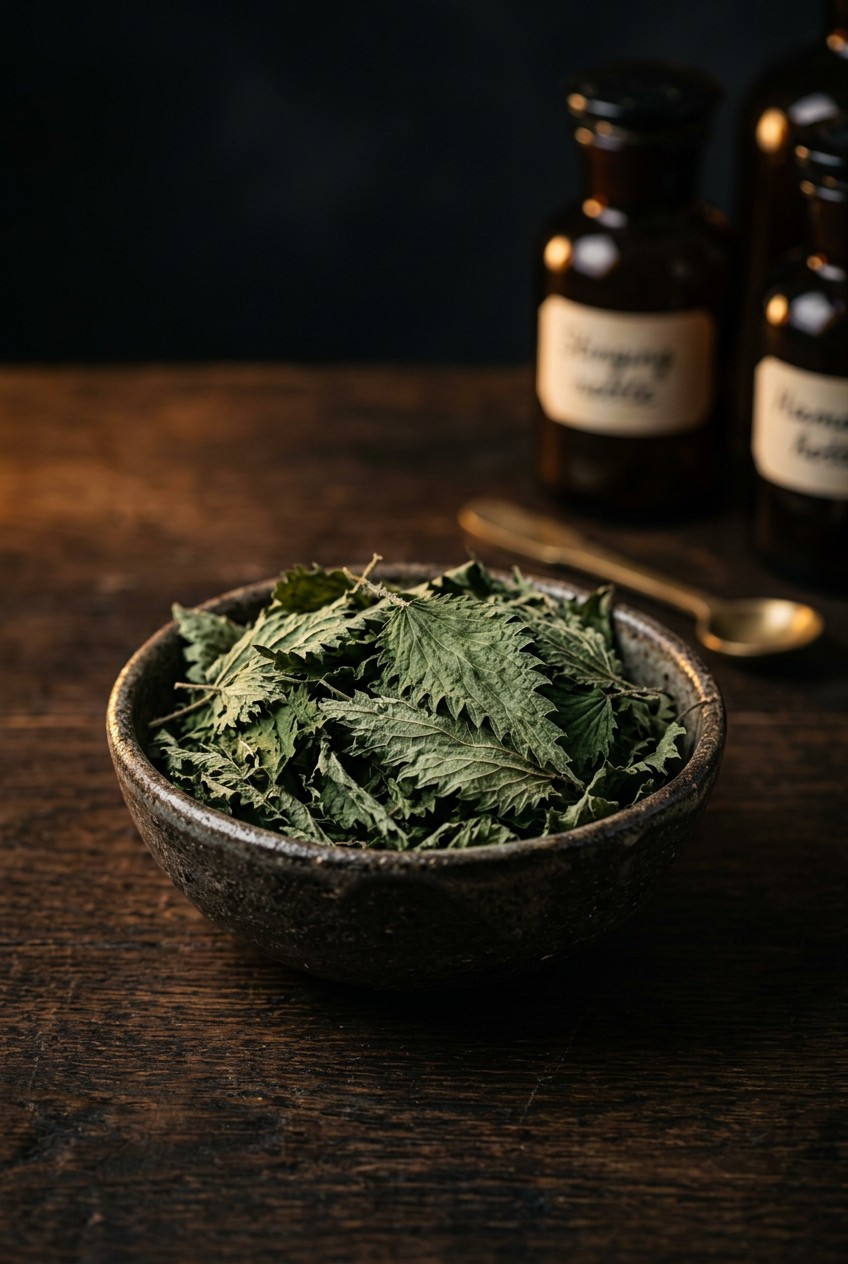
- 2 tablespoons dried nettle leaf
- 1 tablespoon dried peppermint
- 1 tablespoon dried elderflower
- 1 teaspoon dried ginger root
- 4 cups boiling water
- Raw honey to taste (optional)
How to Make It
Combine nettle, peppermint, elderflower, and ginger in a teapot or heat-safe jar.
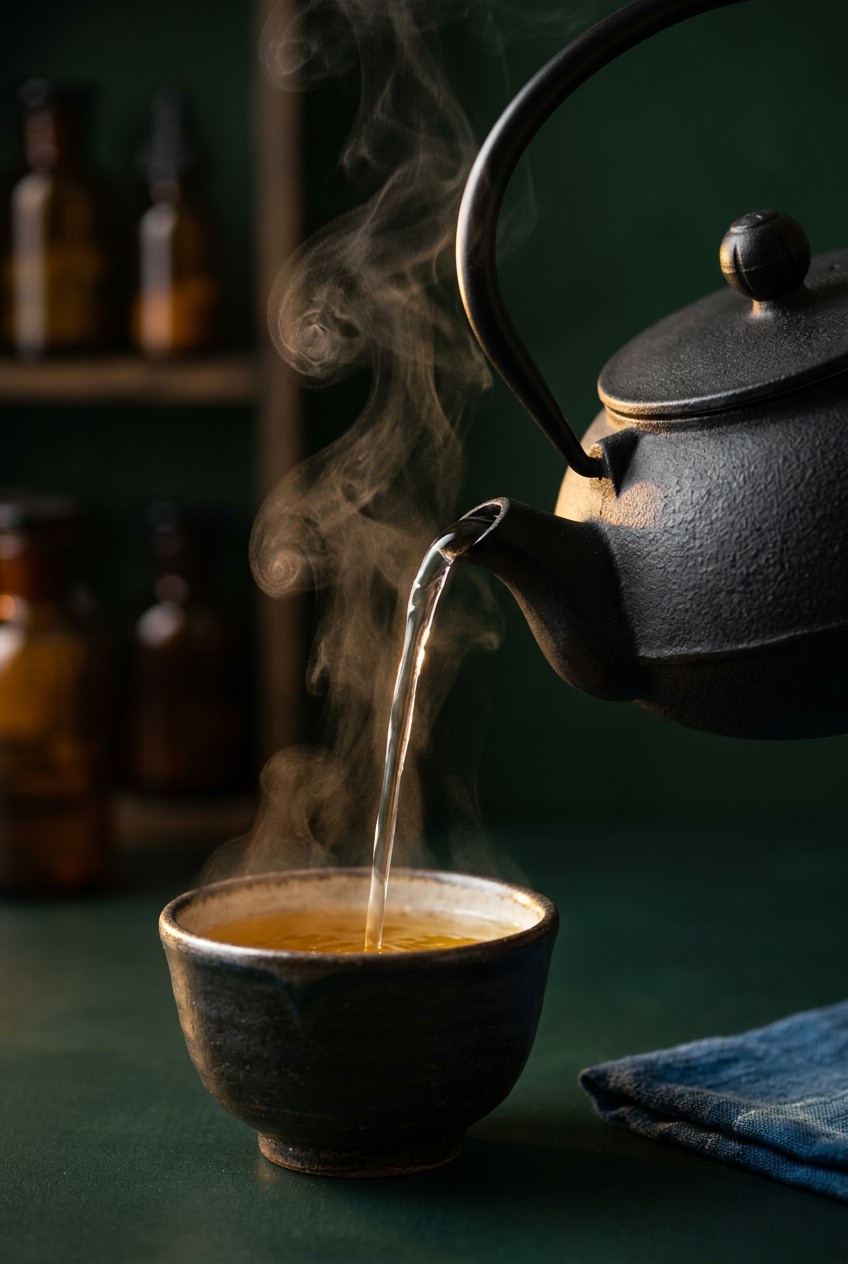
Pour 4 cups of boiling water over the herbs.
Cover and steep for 10 minutes. The longer steep extracts more of the antihistamine compounds from nettle.
Strain through a fine-mesh sieve.
Add honey if desired. Drink 1-2 cups daily throughout allergy season, preferably in the morning and early afternoon.
Herbalist Notes
Nettle leaf contains quercetin, a flavonoid that inhibits histamine release from mast cells. A 2009 study at the National College of Natural Medicine found that freeze-dried nettle reduced allergy symptoms in 58% of participants within one week. The fresh spring nettle has higher quercetin content than older summer growth.
Peppermint acts as a decongestant. Its menthol content triggers cold receptors in nasal passages, creating a sensation of clearer breathing. It also has mild anti-inflammatory effects on respiratory tissue.
Elderflower has been used in traditional European medicine since the 17th century for “catarrh,” the old term for excess mucus. Modern herbalists value it for reducing inflammation in the upper respiratory tract and supporting lymphatic drainage around sinuses.
What tea helps with allergic reactions? Teas containing nettle, peppermint, and elderflower work through different mechanisms. Nettle stabilizes mast cells, peppermint opens airways, and elderflower reduces mucus production. Combining them creates a more comprehensive approach than any single herb alone.
Make It Your Own
For a stronger antihistamine effect, increase the nettle to 3 tablespoons and add 1 teaspoon of dried tulsi (holy basil), which Ayurvedic practitioners use for respiratory allergies. If you find the taste too grassy, add a cinnamon stick during steeping.
How to make an herbal tea blend for allergies that matches your specific symptoms: add 1 tablespoon of dried eyebright if eye irritation is your main issue, or substitute rosehips for elderflower if you need extra vitamin C support during allergy season. The base ratio is always 2 parts nettle to 1 part aromatics.
This blend stores well. Mix larger quantities of the dried herbs and keep in an airtight jar away from light. The potency holds for about six months.