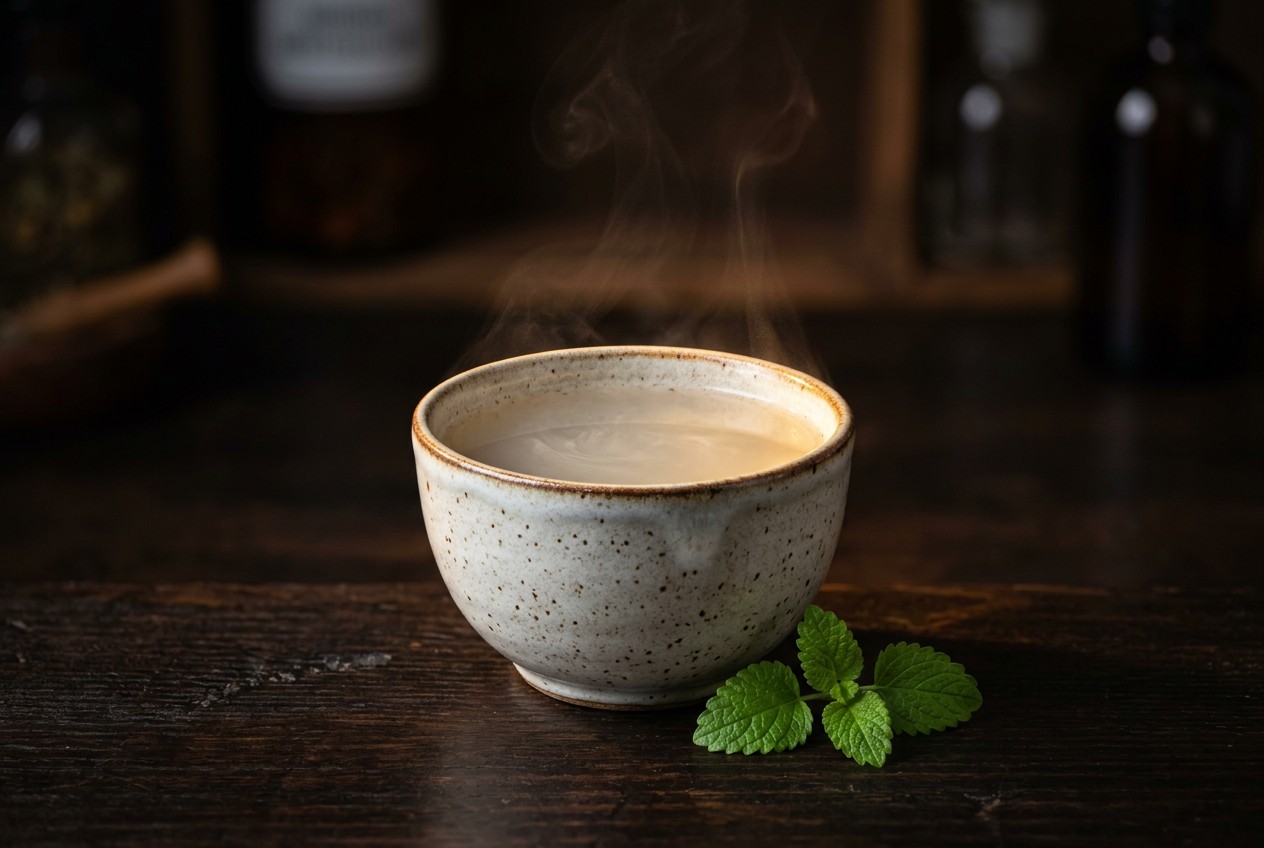
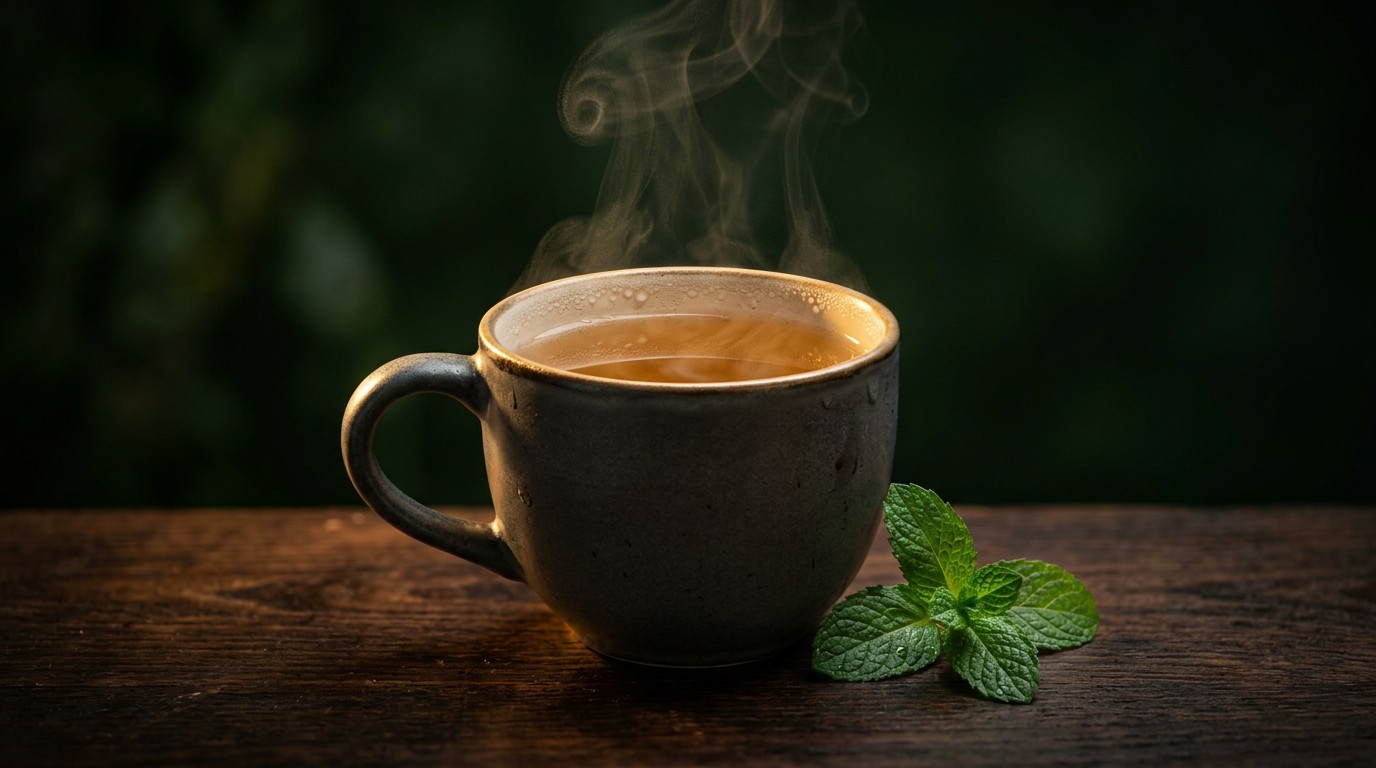
A good spring allergy relief tea recipe starts with just two dried herbs: nettle and peppermint. Put 2 tablespoons of each in a teapot, pour over 4 cups of very hot water, and steep for 10 minutes. Nettle is the old spring green, eaten and drunk across Europe as soon as it came up, and peppermint gives the cup its cool, clean edge and keeps the nettle from tasting like lawn clippings. Pour a mug in the morning or early afternoon through pollen season, or serve it warm on a cool spring evening.
Why You Will Love This
The first warm days of spring bring tree pollen, and suddenly mornings feel itchy and stuffy. This herbal tea is the kind of cup you can make a habit of through the season instead of remembering it only on the bad days. It’s earthy, a little sweet and cooling, caffeine-free, and it takes about 15 minutes.
The Story Behind It
Nettle is one of the oldest spring plants in Europe, eaten as a green about as often as it was brewed as a tea. I started making this spring tea during a particularly rough season in the Pacific Northwest, when nothing about March felt gentle. It became my morning ritual from March through May, and it still is.
What You Will Need
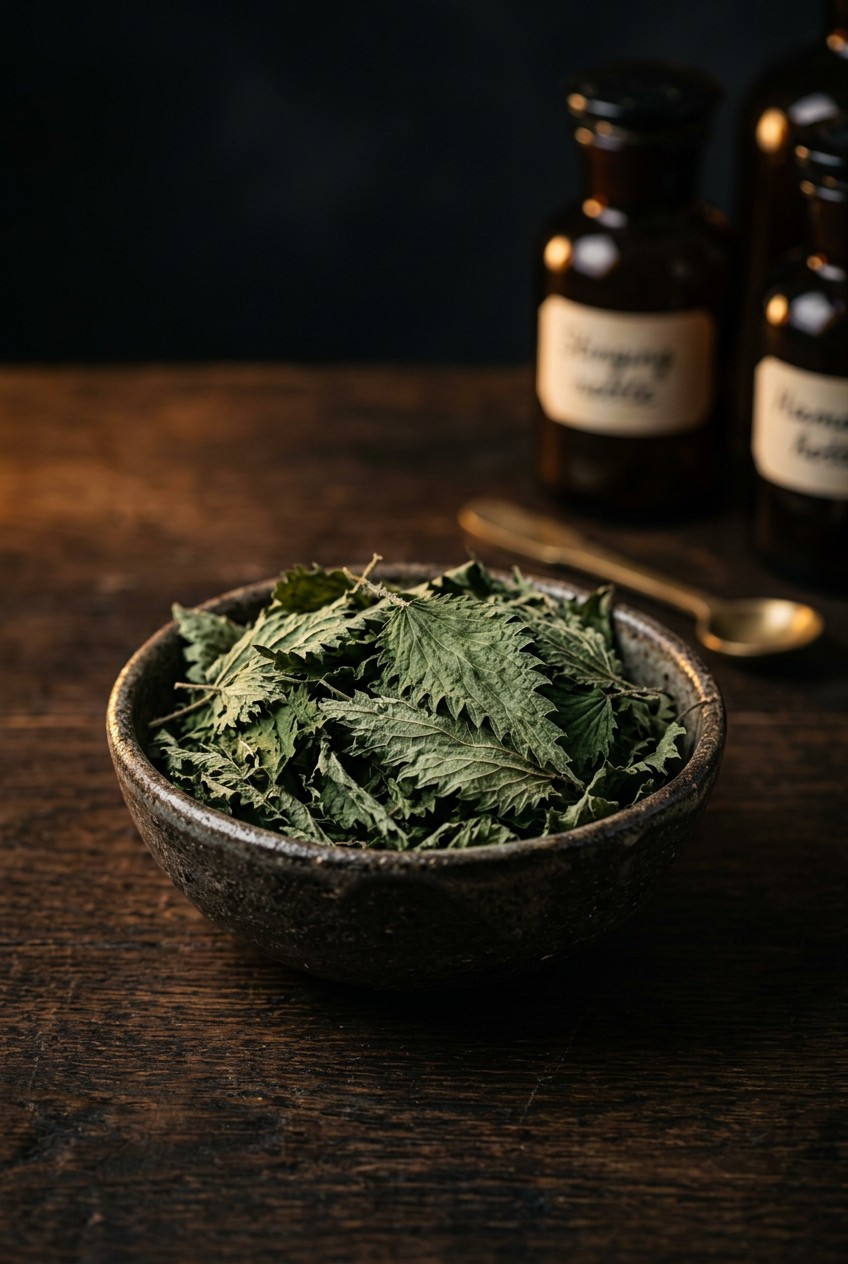
- 2 tablespoons dried nettle leaf
- 2 tablespoons dried peppermint leaf
- 4 cups very hot water
- Raw honey to taste (optional)
How to Make It
Put the nettle and peppermint in a teapot or heat-safe jar.
Pour 4 cups of very hot water over the herbs.
Cover and steep for 10 minutes.
Strain through a fine-mesh sieve.
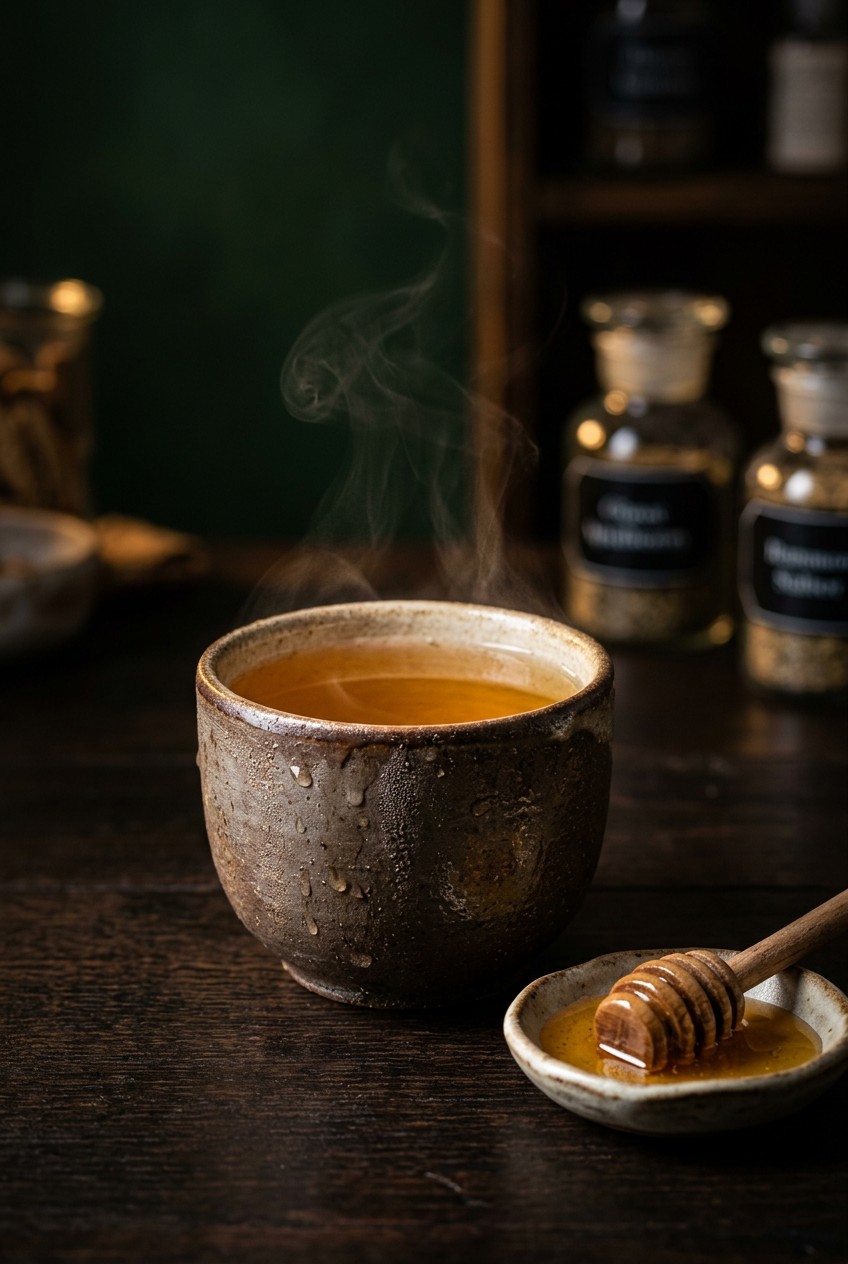
Sweeten with honey if you like, and drink warm.
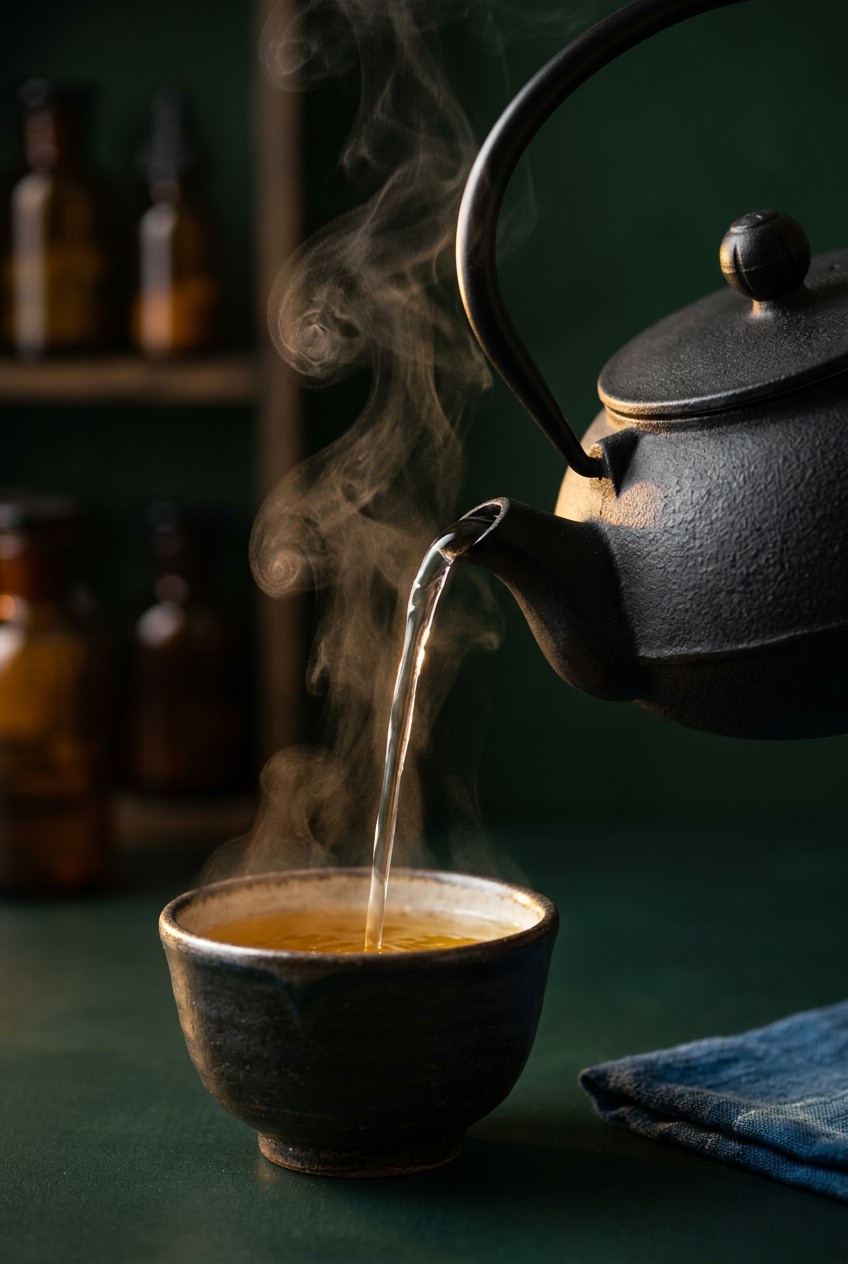
About the Herbs
Nettle cut in spring, before it flowers, makes a far better cup than tired summer growth, so look for a dried leaf that is still green and smells fresh. It has a deep, grassy, mineral taste that some people love right away and others need a few cups to warm up to.
Peppermint is here for the cool, menthol feeling at the back of the throat and up behind the nose. On a morning when your head feels packed with wool, that sensation alone earns the cup. It also balances the nettle, which is not a small job.
Elderflower is a lovely extra if you have it. It brings a honeyed, faintly muscat note that makes any herbal cup easier to drink, and it’s been a standby in European kitchens for centuries.
Make It Your Own
For a different cup, add a cinnamon stick or a few slices of fresh ginger to the pot while the tea steeps, or drop in a pinch of dried tulsi (holy basil ). If you find the taste too grassy, a little honey and a squeeze of lemon help.
To make an herbal tea blend that suits your own taste, think in terms of one main herb and one aromatic. Nettle gives body, and peppermint, elderflower or ginger give lift. Taste as you go and keep notes.
This blend stores well. Mix larger quantities of the dried herbs and keep them in an airtight jar away from light, then scoop out 2 tablespoons of each whenever you want a pot.
For more spring sipping, see the nettle and chamomile spring tea and the spring mocktail roundup .