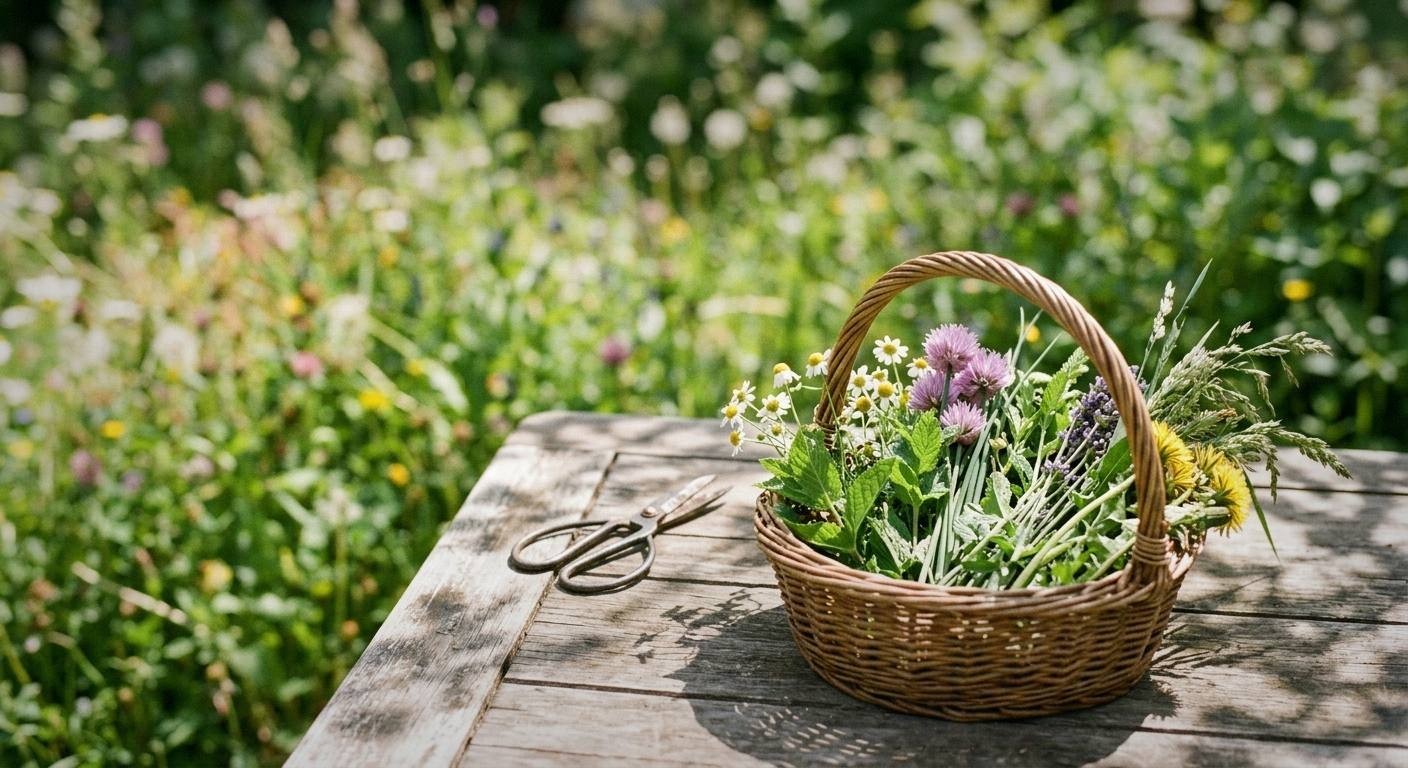
A flower or leaf can give a drink its own aroma, but a short article cannot identify a wild harvest. These eight culinary entries use verified food ingredients. Grow identified plants for food or buy them labeled for culinary use; a local expert must verify a wild plant, edible part and collection site before it enters a drink. Scent, a square stem, one leaf shape or an app result is not proof.
Before Collecting or Preparing
Do not gather from roadside runoff, sprayed lawns, industrial sites, contaminated water, pet-waste areas or a site with unknown treatment history. There is no universal safe distance from a road. Washing, vinegar rinses and heat cannot make a polluted or poisonous harvest edible. Learn complete identification with a qualified local guide; the former abbreviated descriptions and no-lookalike assurances are removed. Get landowner permission and check the actual land manager’s collection rules. Season varies with location and weather; March-April is not a universal harvest window. Leave small stands and enough flowers for wildlife and regrowth.
Wash hands and equipment. Rinse produce and culinary herbs under running water before cutting; scrub melons and cucumbers before peeling. Use only correctly identified ingredients grown for food, never florist flowers or plants treated with pesticides unsuitable for food crops. Refrigerate promptly in small clean containers at 40 F (4 C) or below. Discard after more than two cumulative hours without cold holding, or one hour above 90 F (32 C). Do not wait for a large batch to cool on the counter. Normal smell and appearance do not establish safety. For chilled tea, cool promptly in small heat-safe containers in an ice-water bath, keeping bath water out, then refrigerate before serving. Use chilled preparations the day they finish, or freeze extra. This is conservative handling, not proof of shelf life. Culinary use does not establish medical or pregnancy suitability; check individual ingredient labels and circumstances. No foraging or kitchen testing was performed.
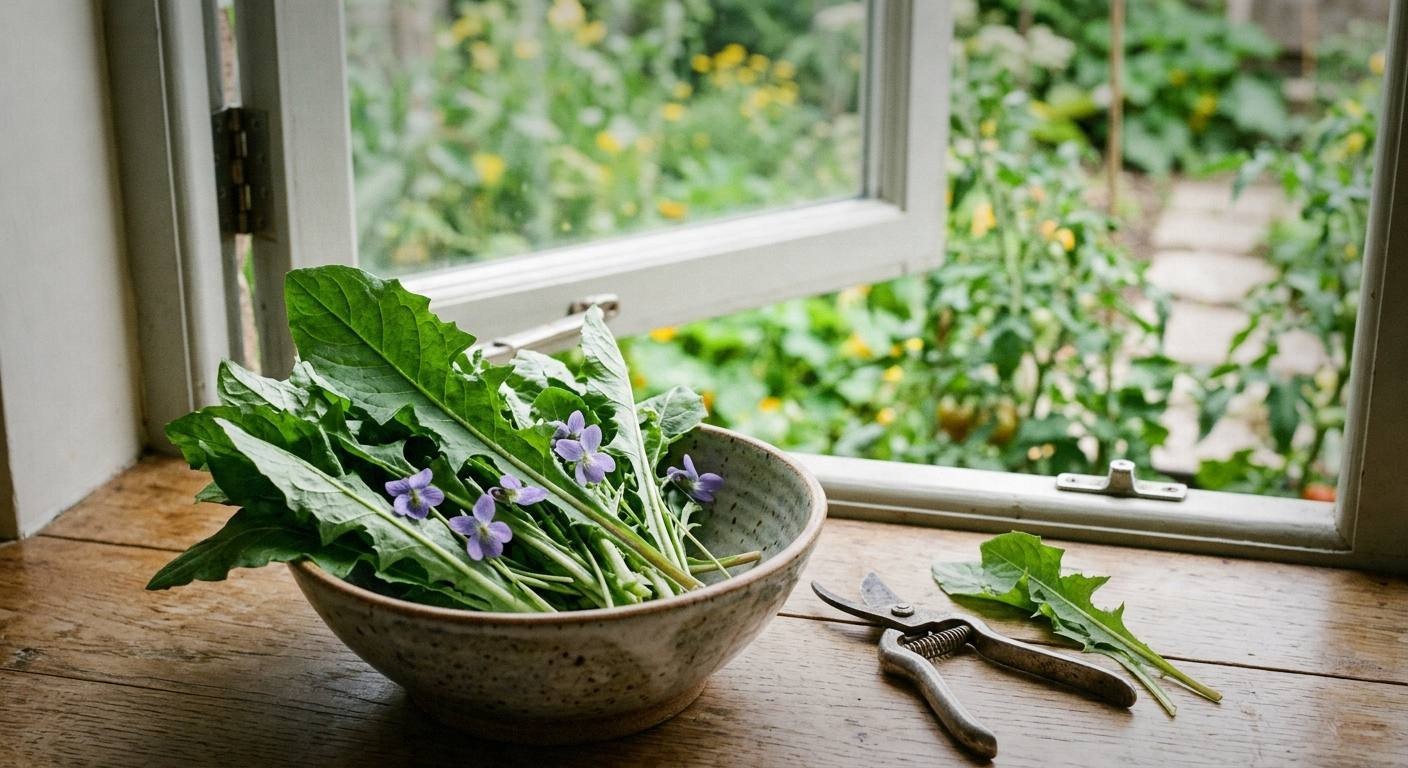
1. Dandelion Flower Tea
Use only verified food-grown Taraxacum officinale flowers. Put 1/2 cup loosely packed rinsed yellow petals in a heat-safe vessel and pour over 1 cup freshly boiling potable water. Cover 10 minutes, strain and optionally stir in 1 teaspoon sugar or honey . One portion is the measured strained output, a little below a cup. Allow about 15 minutes for hot tea or about 30 minutes with rapid cooling for an iced version. Colleen’s original flower-tea method supports boiling-water extraction; the petal quantity is a house flavor version. Roots and leaves are not automatic substitutes in this petal preparation.
2. Violet Lemonade
Use verified food-grown edible Viola sororia flowers, rinsed, with all stems/leaves removed. Simmer 2 cups flowers with 1 1/2 cups potable water for 5 minutes in a saucepan. Strain, cool promptly and measure output. Separately dissolve 2 tablespoons sugar into 1 cup measured lemon juice, then add 4 cups cold potable water. Mix in half the measured violet infusion and refrigerate; add the remaining half only if you prefer that flavor, recording the new volume. Divide the measured lemonade into six equal portions over ice. Allow about 10 minutes active work and about 40 minutes with heating and cooling. Sue Moran’s recipe is the comparison; this page specifies the formerly unmeasured infusion water, half-batch pour and actual yield. Flowers absorb water, so neither six cups nor one exact color is promised.
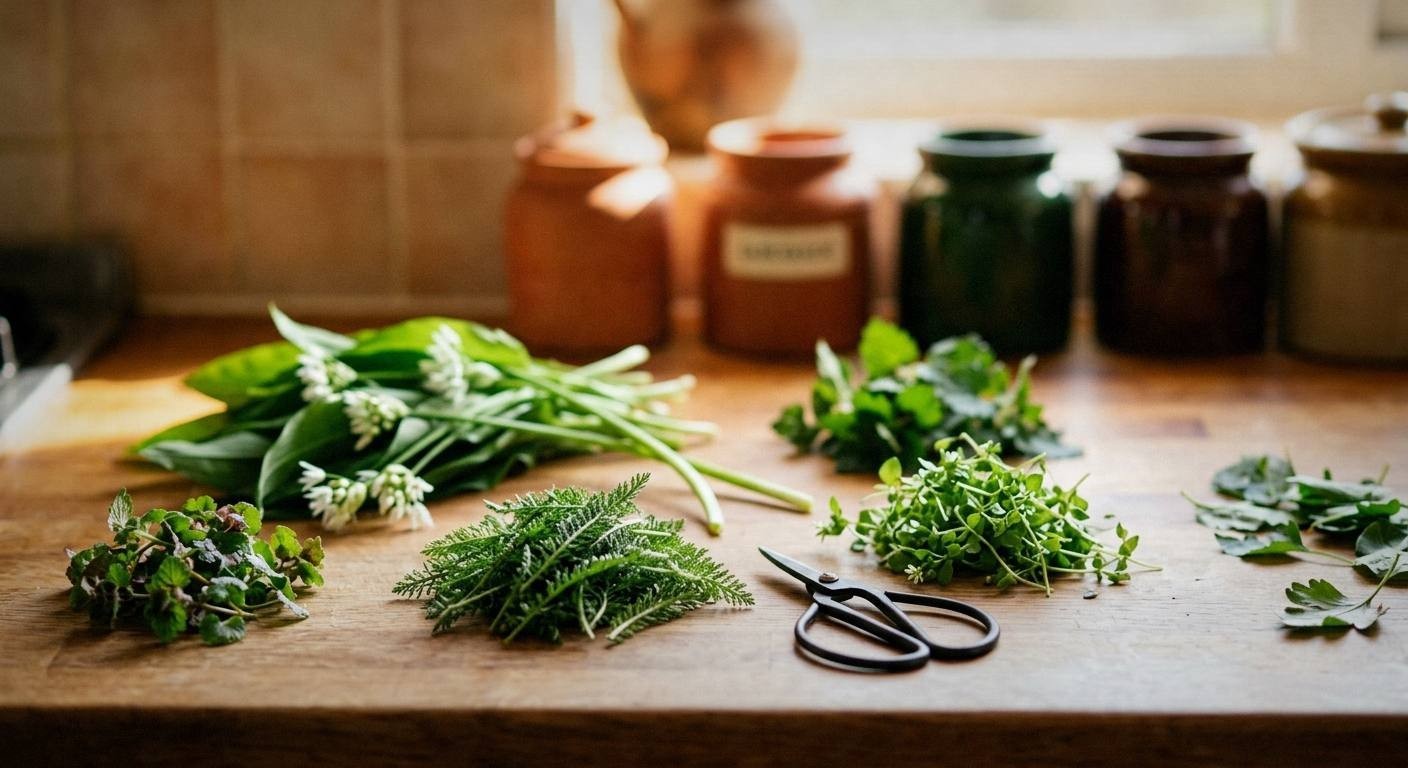
3. Elderflower Cordial
Use only verified culinary Sambucus nigra flowers; do not identify elder or water hemlock from this article. Gently rinse the flower heads under running water. Remove insects and coarse green stalks, leaves and berries; NCCIH cautions about toxic compounds in other elder parts. This replaces the old unlocated acidic-cordial shortcut with a River Cottage comparison.
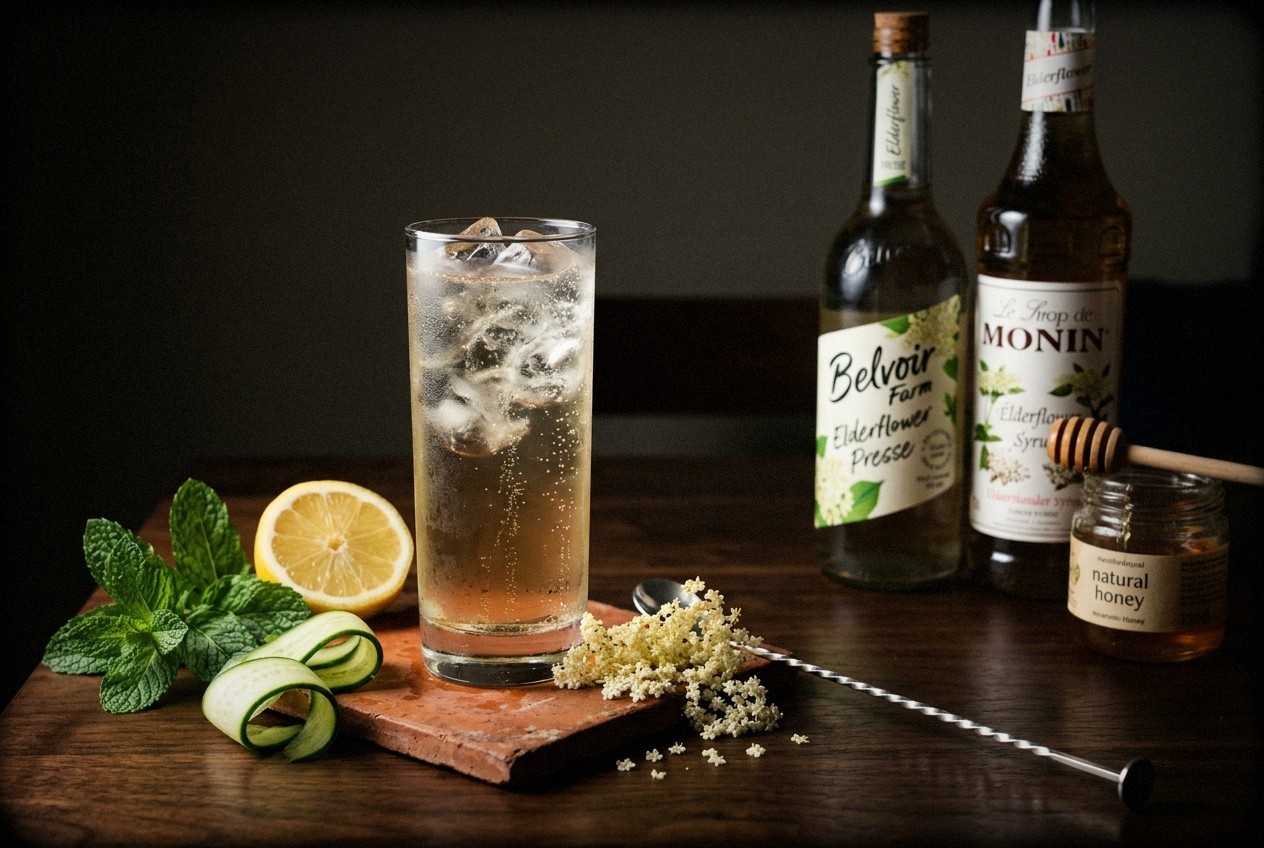
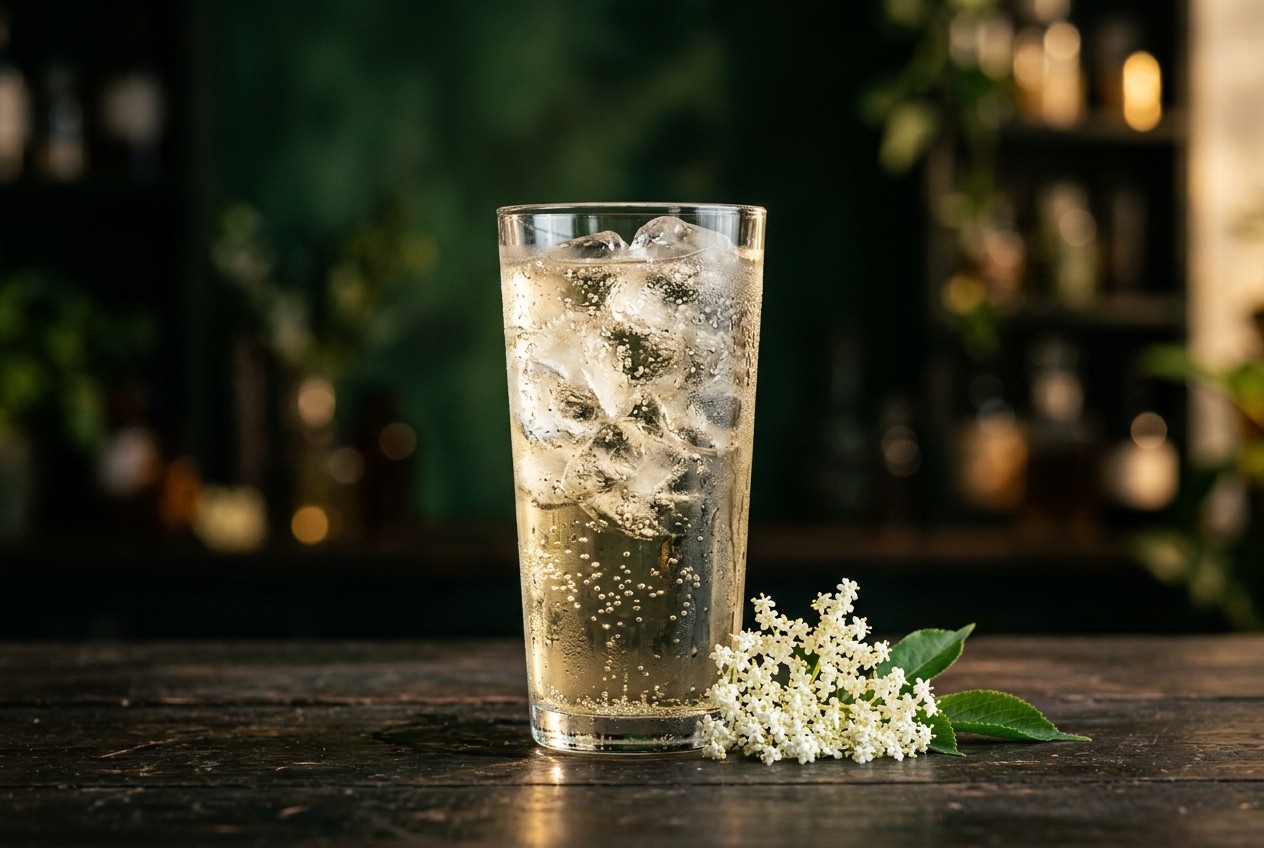
Combine about 25 clean food-grown flower heads with finely grated zest of 3 rinsed lemons and 1 rinsed orange in a large heat-safe vessel. Pour over 1.5 litres freshly boiling potable water. Cool promptly in an ice bath, cover and refrigerate a 12-hour overnight infusion. Strain into a saucepan; add 1 kilogram sugar and the measured juice of those lemons and orange (source planning amount about 150 mL). Warm to dissolve sugar, simmer 2 minutes, then cool promptly in small heat-safe containers and refrigerate. Measure finished output; source planning yield is about 2 litres, not six ready-to-drink servings. Allow about 20 minutes active work and about 13 hours including steep, heating and cooling. Use the finished cordial that day or freeze extra, not hot-fill shelf storage. For one small spritz mix 1 tablespoon cordial with 4 tablespoons cold water; allow 5 minutes with cordial ready. This 1:4 house dilution is a flavor starting point. The elderflower cordial page provides the matching printable preparation and handling notes. Citric acid is not needed for this refrigerated house version; no preservation equivalence is claimed.
4. Fresh Nettle and Mint Tea
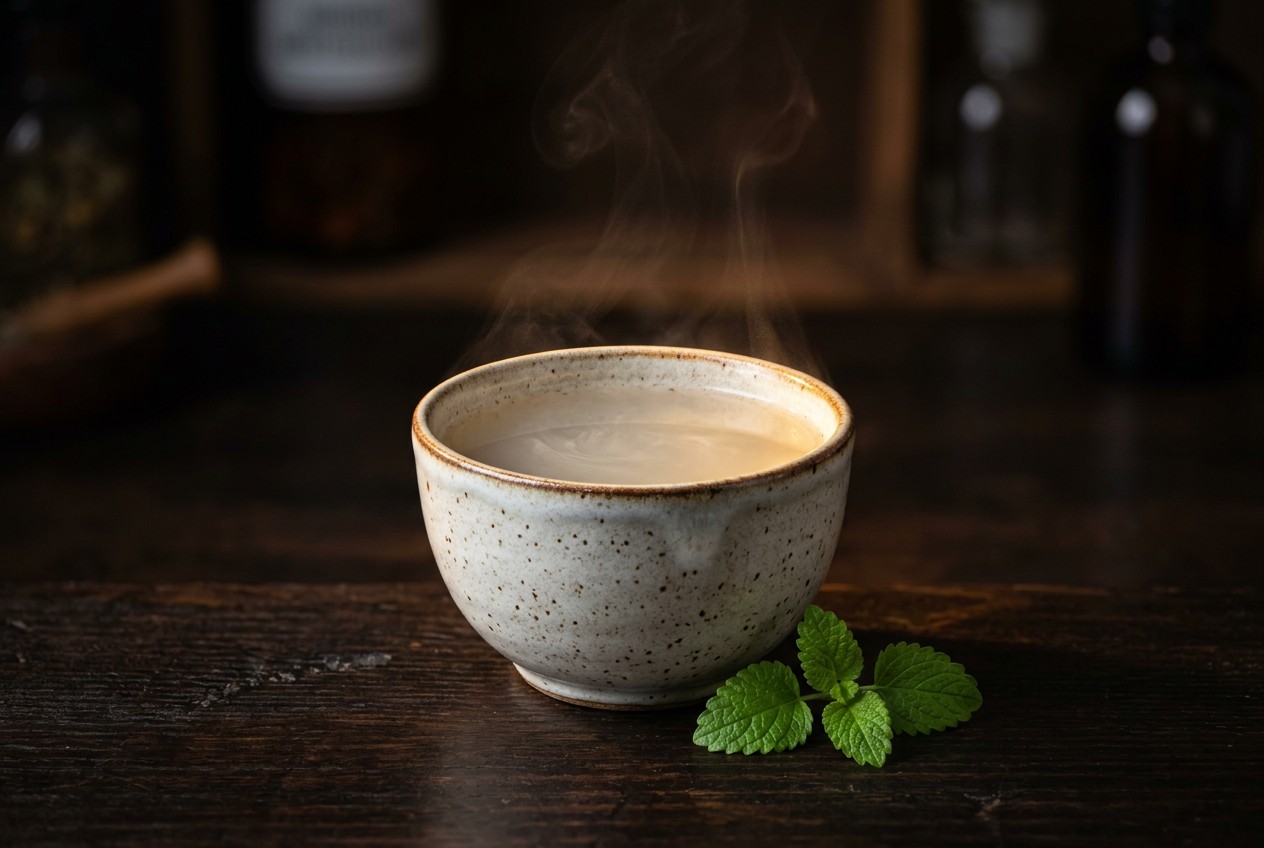
Use 2 ounces (about 57 grams) verified fresh culinary Urtica dioica leaves or tender tops, 5 grams rinsed fresh culinary mint and 8 cups potable water. Handle uncooked nettle with gloves or tongs. Boil water, add nettle and cook 2 minutes, then add mint and boil 1 minute. Keep covered off heat for another 5 minutes before straining later; this added hot steep is a TFA handling adaptation. Cool promptly in smaller heat-safe containers and refrigerate with the herbs for 6 hours. Strain, measure output and optionally sweeten the batch with 1 tablespoon honey or maple syrup; divide into eight equal portions. Plan about 10 minutes active and about 7 hours including hot stages, cooling and refrigerator infusion. Alan Bergo’s fresh-tea method supplies the base; fresh ounces are not dried ounces. Do not taste uncooked nettle to identify it, promise total sting removal from air drying, or infer an allergy treatment.
5. Red Clover Tea
For one cup use 3-4 verified food-grown fresh Trifolium pratense flower heads with stems/leaves removed and optionally 2 rinsed culinary mint leaves. Pour over 1 cup freshly boiling potable water in a heat-safe cup; cover 10 minutes and strain. Alea’s original fresh flower-count formula supplies the comparison; head size varies and is not an asserted teaspoon conversion. Allow about 15 minutes hot, or about 30 minutes including rapid cooling for iced tea. Finished volume is the strained cup, less absorption. Optional 1 teaspoon honey is flavor only. NCCIH does not establish a medical benefit or pregnancy suitability for the plant; this page supplies no daily regimen or supplement substitution.
6. Eastern White Pine Tea
Use only positively verified food-grade Pinus strobus needles; no arbitrary conifer or decoration-tree substitution. Pour 3 cups freshly boiling potable water over 1/2 cup rinsed fresh needles in a heat-safe vessel; cover 15 minutes and strain thoroughly. Divide measured output into three portions. Allow about 20 minutes hot or about 40 minutes including rapid cooling. Optional flavor: add 1 teaspoon honey to the batch, or one rinsed lemon slice per portion. The Spruce Eats supplies the ratio and tea precedent. Needle clusters are not a cup conversion; the old two-serving yield and unmeasured thyme /mint additions are removed. If identity is uncertain, do not use that plant.
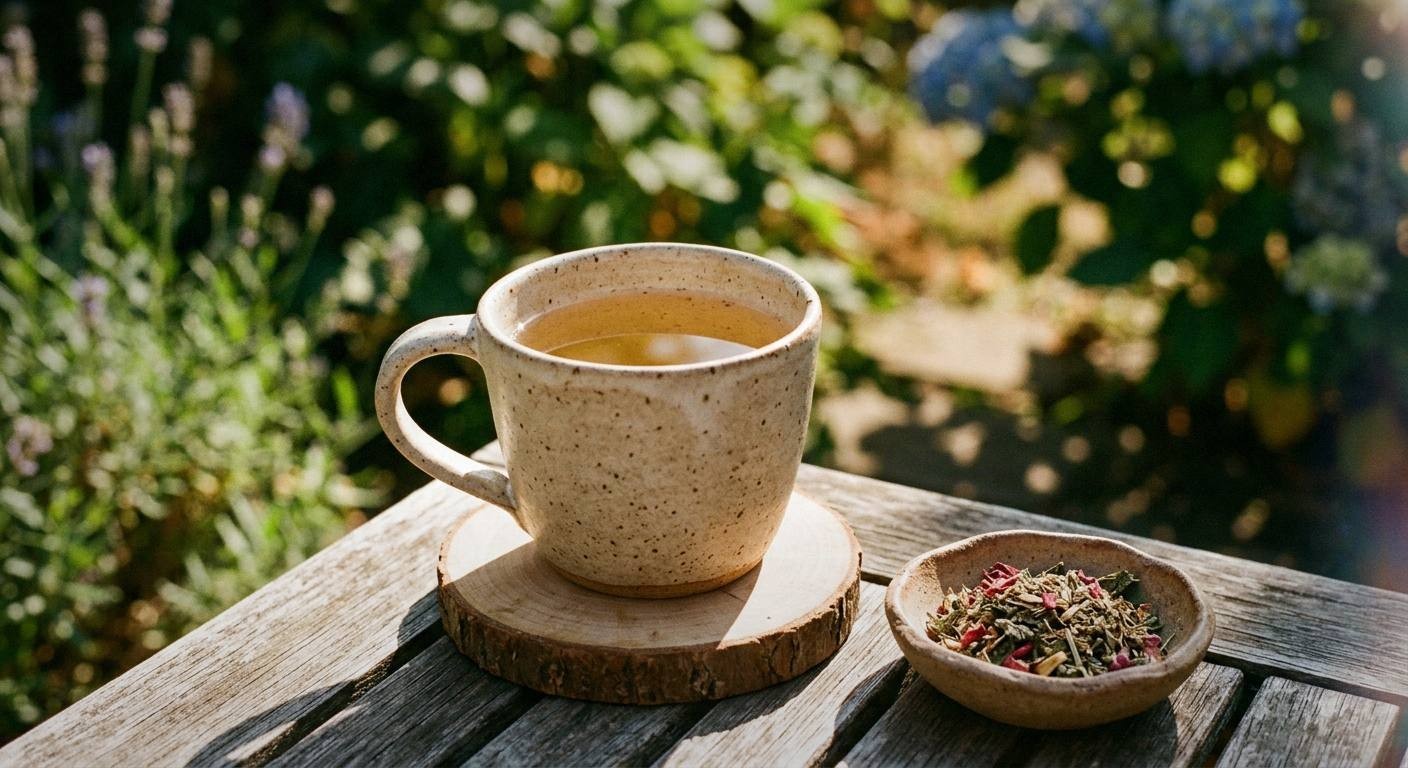
7. Culinary Mint Water
Use 1/2 cup loosely packed rinsed fresh culinary mint leaves and 4 cups cold potable still water in a clean covered pitcher larger than a quart. Bruise leaves gently, add water and refrigerate 4 hours at 40 F (4 C) or below. Strain, measure output and divide into four portions; allow about 5 minutes active plus 4 hours chilling. This is a fresh culinary-herb water house recipe, not dried-herb cold tea. For a cucumber/lemon variant add 4 rinsed cucumber slices and 4 rinsed lemon slices with the leaves, then strain after the same refrigerated rest. Club soda is added at service rather than held in an infusion jar. For a hot mint tea option use 4 tablespoons rinsed fresh culinary mint and 4 cups freshly boiling water, cover at least 5 minutes, strain and cool promptly; allow about 30 minutes including cooling and measure four equal portions. Do not substitute an unidentified wild mint; generic stem and scent traits are insufficient.
8. Chickweed Green Water
NC State Extension describes Stellaria media stems, leaves and flowers as edible. With verified food-grown ingredients, an exact published smoothie match is unnecessary for a modest house food drink. Blend 1/4 cup rinsed tender fresh chickweed leaves/stems, 1 cup cold potable water, 1 teaspoon measured lime juice and optional 1 teaspoon sugar for about 20 seconds in a clean blender. Strain if desired, measure output and serve immediately as one portion. Allow about 5 minutes. This is raw produce, not treated juice; washing is not sterilization. Do not use a wild harvest with uncertain identity or treatment history, make a concentrated supplement, or promise treatment benefits.
Blends, Syrups and Drying
For a measured fresh mint/clover/nettle blend, use 1 ounce verified fresh nettle, 4 verified fresh clover heads, 2 tablespoons rinsed culinary mint and 4 cups potable water. Boil nettle in the water 2 minutes, add mint and clover, bring back to the boil, then cover off heat 10 minutes and strain. Cool promptly if serving iced; measure four equal portions. Optional 2 teaspoons honey sweeten the batch. Allow about 15 minutes active and about 40 minutes with cooling. This house blend uses the hot nettle and flower-tea precedents; it is not a supplement regimen.
The former unmeasured violet/elder/pine syrup and root suggestions are not complete recipes. Use the measured cordial above or a separate complete culinary syrup formula. Do not put any wild plant into a generic sugar syrup and assume it becomes edible. For drying verified culinary mint or nettle, follow NCHFP’s airflow and quick-drying advice for tender herbs; dry to a crisp/crumbly endpoint, not a universal calendar. Store completely dry in a clean closed jar away from moisture and heat; discard moldy material. Dried herbs require their own measured tea instructions and boiling-water preparation; drying does not sanitize an unidentified harvest.
Sources and Review Limits
- Colleen: Dandelion Tea
- Sue Moran: Violet Lemonade
- River Cottage: Elderflower Cordial
- NCCIH: Elder Plant Safety
- Alan Bergo: Fresh Nettle Tea
- Alea: Red Clover Tea
- NCCIH: Red Clover
- Danilo Alfaro: Pine Needle Tea
- NC State Extension: Chickweed
- University of Minnesota: Edible Flowers
- Virginia Extension Master Gardeners: Homegrown Tea
- NCHFP: Drying Herbs
- BfR: Boiling Water for Herbal Teas
- FoodSafety.gov: Clean, Cook and Chill
- FDA: Selecting and Serving Produce Safely