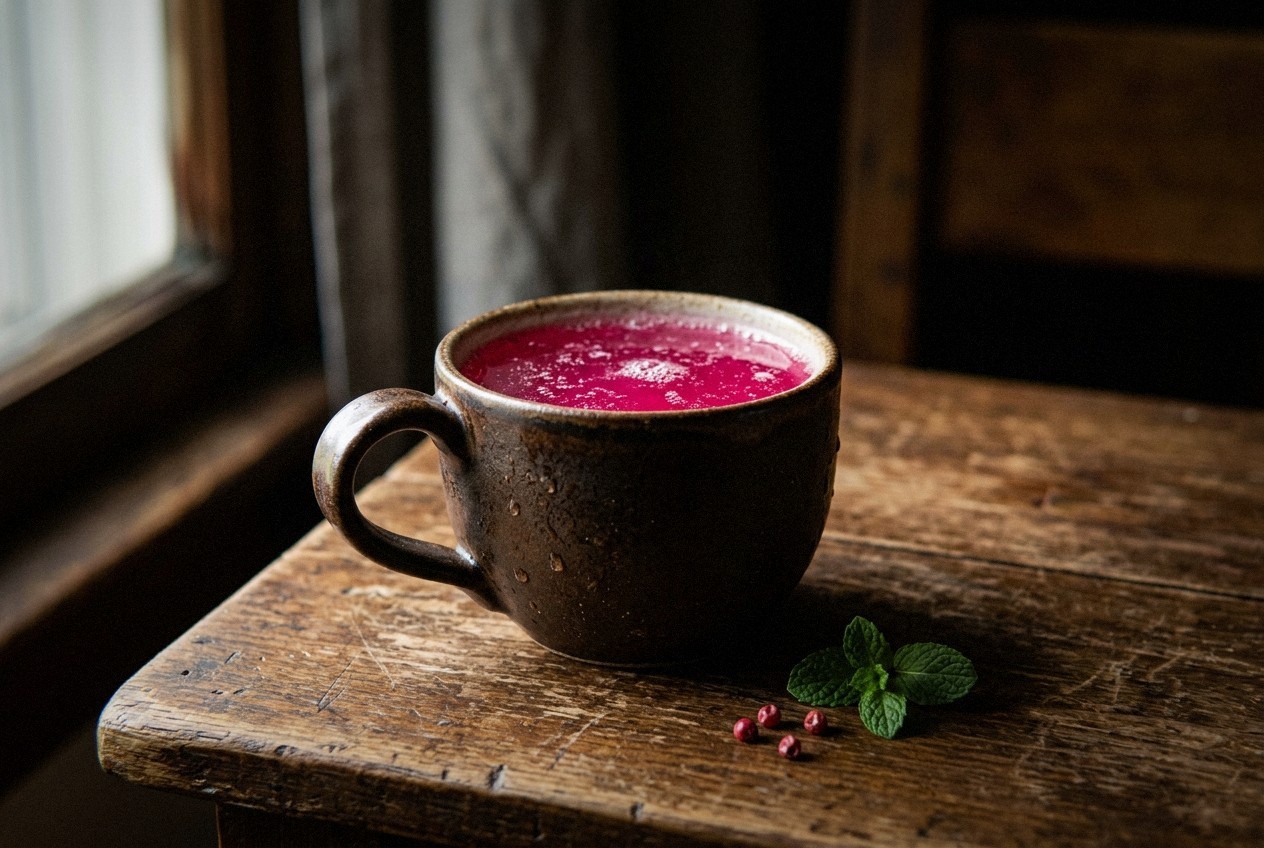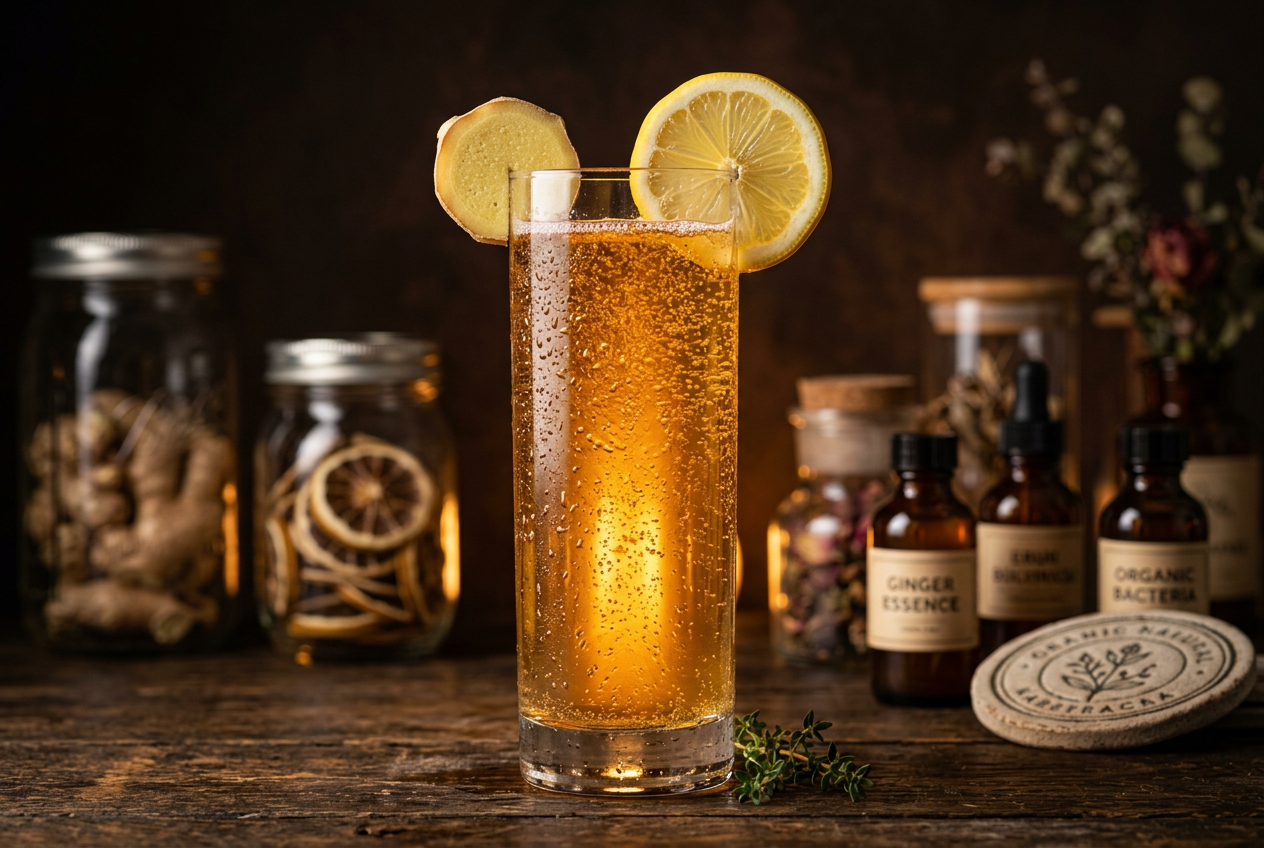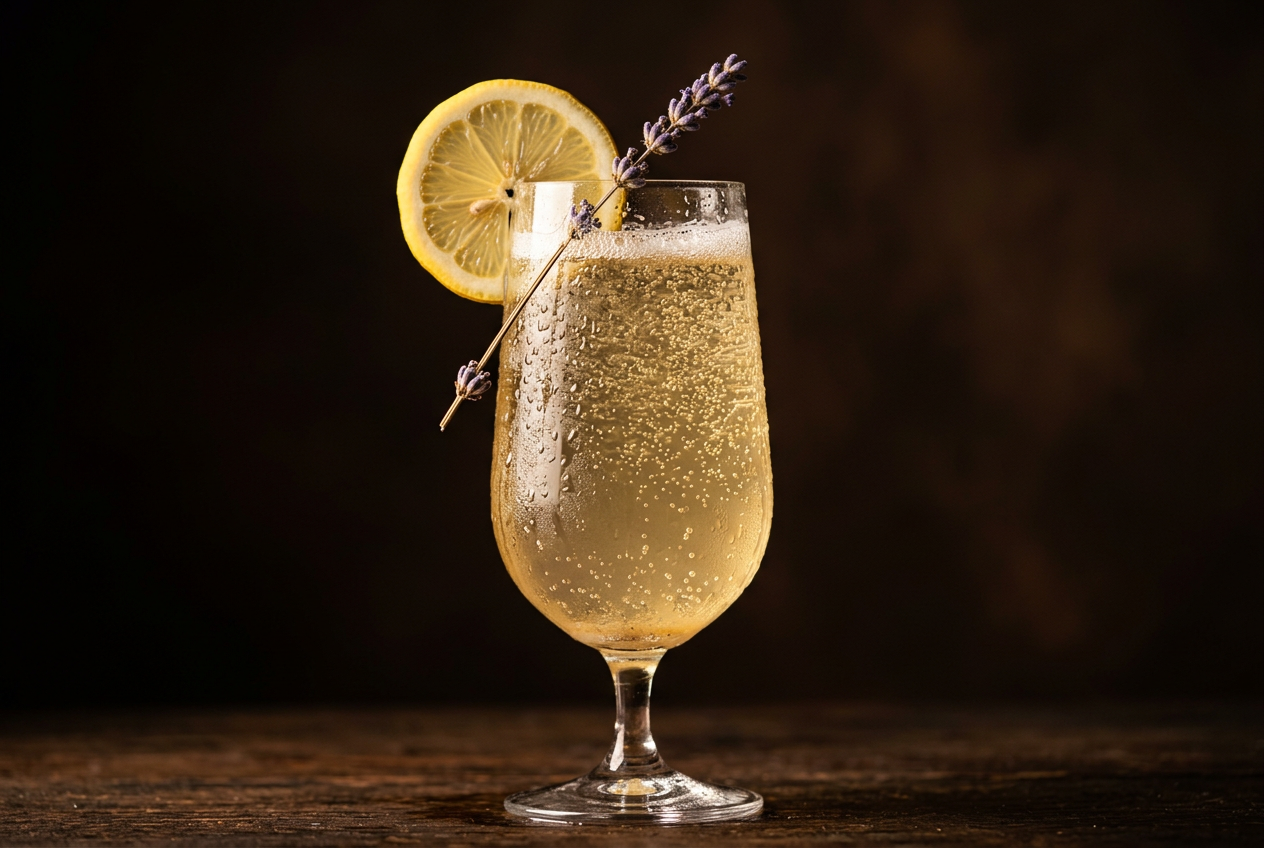
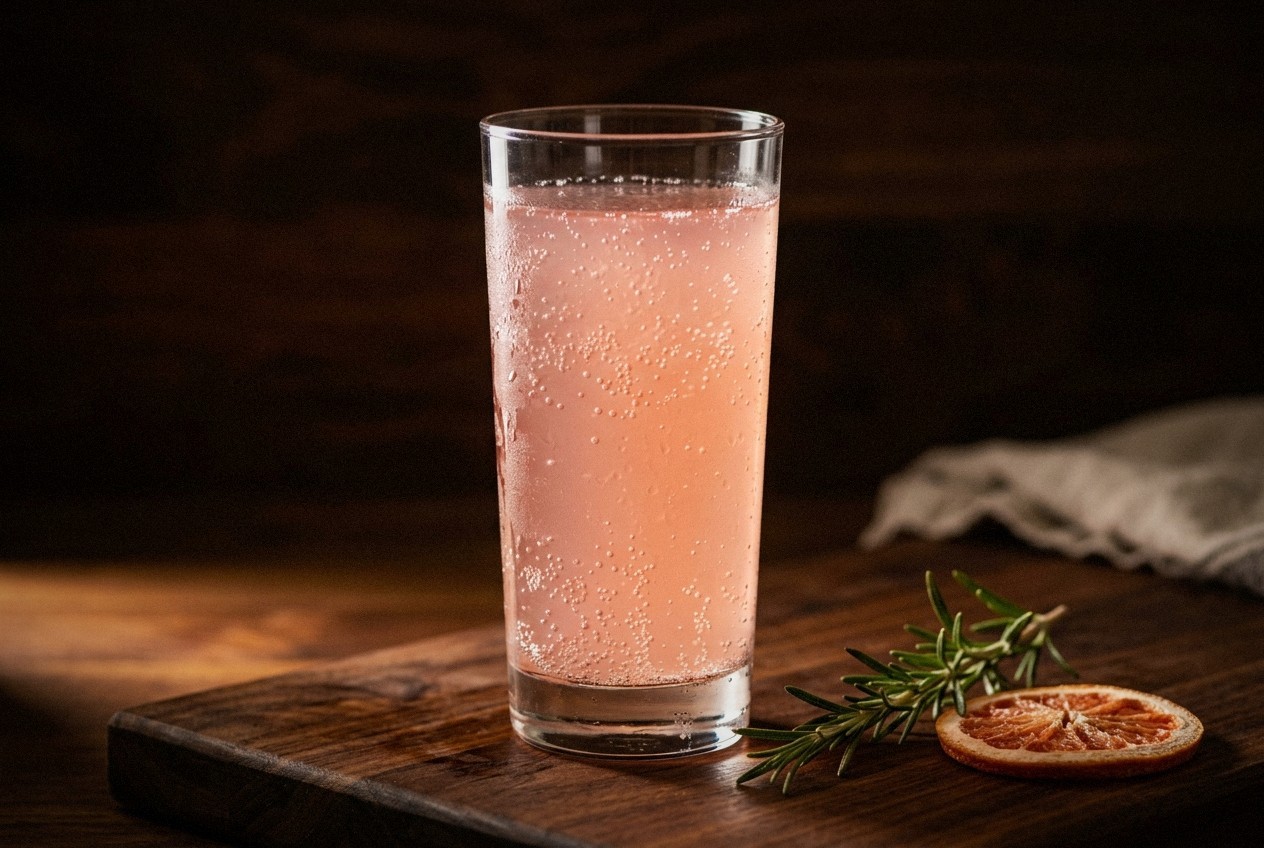
Brighten your spring with 7 homemade kombucha recipes using elderflower, strawberry, lavender, and fresh herbs. Get the recipes.
Why You Will Love This
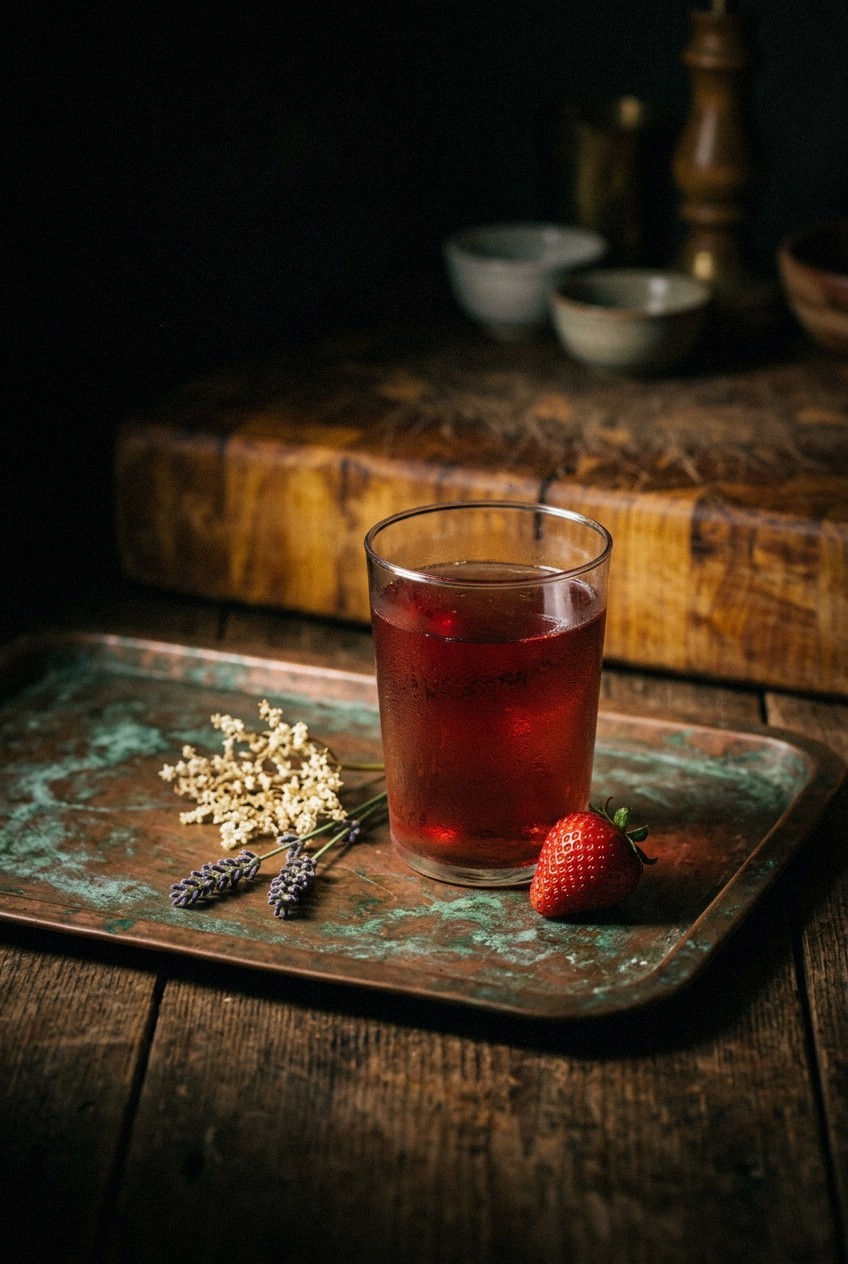
Spring kombucha takes on a different character than winter batches. Warmer ambient temperatures speed up fermentation by 30-40%, producing a brighter, more effervescent base in 7 days instead of 10. These seven flavor combinations use ingredients at their peak right now: elderflower harvested in late April, first-flush strawberries, just-bloomed lavender, and the tender mint shoots that appear in March. Each second fermentation adds 0.5-1.0% additional carbonation while layering in floral, fruity, or herbal notes that feel unmistakably seasonal.
The Story Behind It
I started brewing kombucha in 2019, but it took three springs to understand how temperature shifts change the fermentation timeline. In March 2022, my kitchen hovered at 74°F instead of the usual 68°F. My first fermentation finished in 6 days, not 9, and tasted sharper, more vinegary. I learned to pull spring batches earlier and compensate with sweeter second fermentation flavors. Strawberry-rhubarb became my calibration recipe. If the tartness balanced with the fruit’s sugar, I knew the base was right. These seven recipes all work with that slightly faster, brighter spring fermentation profile.
What You Will Need
For the Base Kombucha (First Fermentation):
- 1 gallon filtered water (chlorine inhibits fermentation)
- 8 black or green tea bags, or 2 tablespoons loose leaf (Camellia sinensis only, no oils)
- 1 cup organic cane sugar (feeds the SCOBY, most converts to acids)
- 2 cups starter kombucha from a previous batch or store-bought unflavored
- 1 healthy SCOBY, at least 1/4 inch thick
For Second Fermentation Flavoring (choose one or make multiple):
1. Strawberry-Rhubarb
- 1/2 cup diced fresh strawberries
- 1/4 cup diced rhubarb
- 1 teaspoon grated fresh ginger
2. Elderflower-Lemon
- 3 tablespoons elderflower cordial (or 2 tablespoons dried elderflowers)
- Zest and juice of 1 lemon
3. Lavender-Honey
- 1 tablespoon culinary lavender buds
- 2 tablespoons raw honey
4. Mint-Lime-Cucumber
- 10 fresh mint leaves, torn
- Juice of 2 limes
- 1/4 cup diced cucumber
5. Raspberry-Rose
- 1/2 cup fresh raspberries, lightly mashed
- 1 teaspoon food-grade rose water
- 1 tablespoon raw honey
6. Pineapple-Turmeric
- 1/2 cup fresh pineapple chunks
- 1 teaspoon ground turmeric
- 1/4 teaspoon black pepper (increases curcumin absorption)
7. Ginger-Lemon-Cinnamon
- 2 tablespoons grated fresh ginger
- Juice of 1 lemon
- 1 cinnamon stick, broken into pieces
How to Make It
First Fermentation (Days 1-7):
Boil 4 cups of your filtered water. Remove from heat and add tea bags. Steep for 7-10 minutes. Black tea produces a more robust, tangy kombucha. Green tea yields a lighter, slightly sweeter result.
Remove tea bags without squeezing (tannins can make the brew bitter). Stir in 1 cup sugar until completely dissolved. The SCOBY will consume 80-90% of this sugar during fermentation.
Add the remaining 12 cups of cold filtered water. Check temperature with a thermometer. It must be between 75-85°F before adding the SCOBY. Hotter liquid kills the culture.
Pour the cooled sweet tea into a clean 1-gallon glass jar. Add 2 cups of starter kombucha. This lowers the pH to 4.5 or below, creating an acidic environment that prevents mold.
Gently slide the SCOBY into the jar. It may float, sink, or hover mid-liquid. All three are normal. A new SCOBY layer will form on the surface regardless.
Cover the jar opening with a tight-weave cloth or coffee filter. Secure with a rubber band. The cloth allows airflow while keeping out fruit flies and dust.
Place the jar in a spot with stable temperature between 68-78°F, away from direct sunlight. In spring, this often means a kitchen counter works perfectly without additional heating.
Ferment for 7-10 days. Start tasting on day 7 by inserting a straw beneath the SCOBY. It should taste tangy and slightly sweet, not vinegary. Spring batches typically finish 1-2 days faster than winter batches due to ambient warmth.
Second Fermentation (Days 8-11):
When the base kombucha tastes balanced, reserve 2 cups in a glass jar with the SCOBY for your next batch. Store covered at room temperature or refrigerated.
Choose your flavor combination. Divide the ingredients proportionally if bottling in smaller containers. For example, if using four 16-ounce bottles, use 1/4 of the flavoring amounts per bottle.
Add flavorings directly to clean swing-top bottles. Pour kombucha over the ingredients, leaving 1 inch of headspace. The carbonation needs room to build without exploding the bottle.
Seal bottles tightly. Ferment at room temperature (68-75°F) for 2-4 days. Warmer temperatures carbonate faster. Burp bottles once daily by briefly opening the cap to release built-up pressure.
Check carbonation by opening one bottle. You should hear a hiss and see small bubbles rising. When it reaches your preferred fizz level, refrigerate all bottles immediately. Cold temperatures halt fermentation and preserve carbonation.
Strain out solid ingredients when serving, or leave them in for continued subtle flavoring. Refrigerated kombucha stays carbonated for 2-3 weeks.
Herbalist Notes
Elderflower (Sambucus nigra) has been used in European herbalism since the 1600s for respiratory support and as a diaphoretic. The flowers contain flavonoids and phenolic acids that survive fermentation. Harvest elderflower in late April to early May when blooms are fully open but not yet browning. Use 2 tablespoons dried flowers per gallon if you cannot find fresh or cordial.
Ginger (Zingiber officinale) contains gingerol compounds that support digestive motility and reduce nausea. A 2019 study in the Journal of Ethnopharmacology found that 1-2 grams of fresh ginger daily reduced nausea symptoms by 60% in participants. The amount used here (2 tablespoons grated, roughly 10 grams) provides therapeutic levels while adding a warming, spicy note that balances tart kombucha.
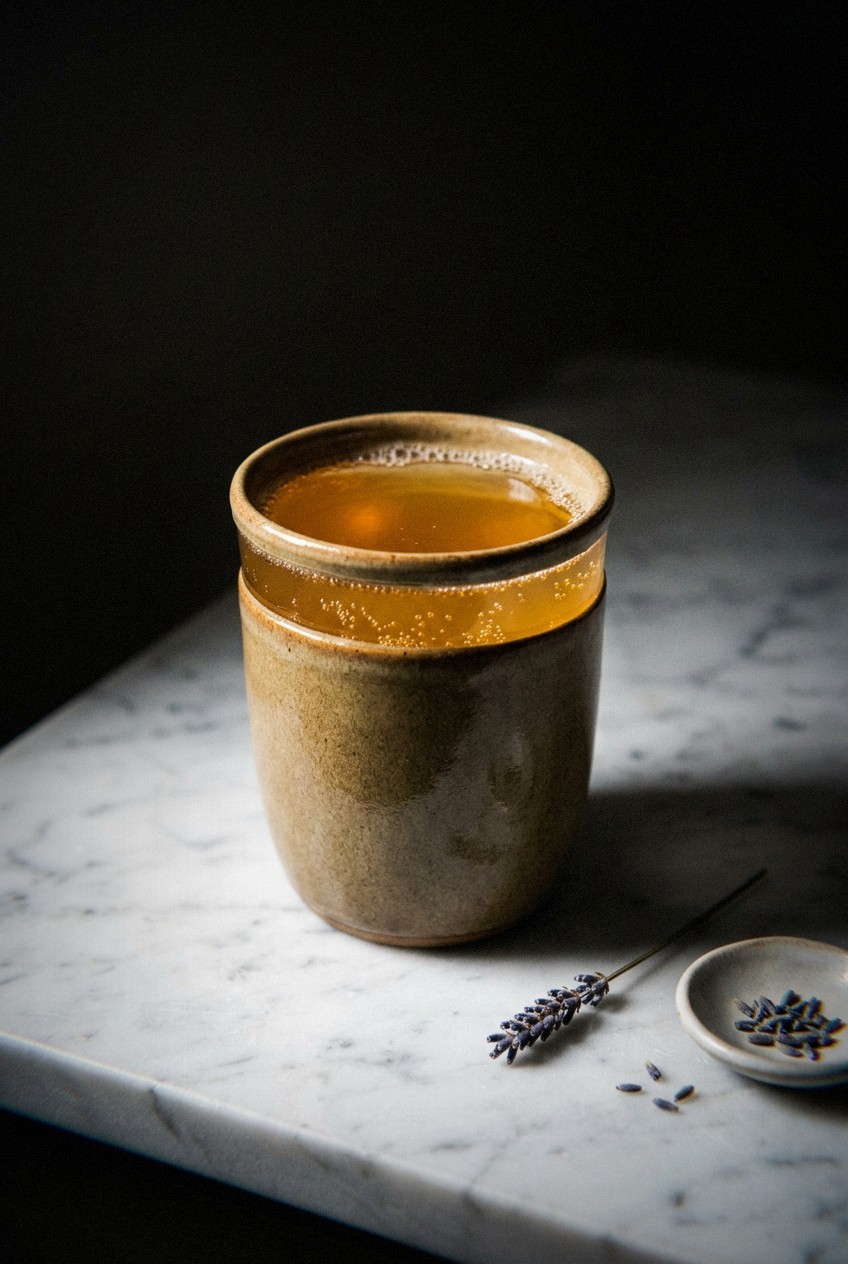
Lavender (Lavandula angustifolia) must be culinary-grade, not decorative or essential oil. The flowers contain linalool and linalyl acetate, compounds studied for their calming effects on the nervous system. Use 1 tablespoon per gallon maximum. More than that produces a soapy, overpowering flavor. English lavender varieties work best. French lavender tastes too camphoraceous for beverages.
Fresh mint releases menthol and rosmarinic acid into the kombucha during second fermentation. These compounds survive the acidic environment and contribute a cooling sensation. Spearmint (Mentha spicata) tastes sweeter and less intense than peppermint (Mentha piperita). For spring kombucha, spearmint or chocolate mint varieties work better than the more medicinal peppermint.
Turmeric (Curcuma longa) contributes curcumin, which has poor bioavailability on its own. Adding 1/4 teaspoon black pepper increases curcumin absorption by up to 2,000% due to piperine. The combination also adds a subtle spicy-earthy dimension that pairs unexpectedly well with sweet pineapple.
Make It Your Own
If you cannot source elderflower, substitute 3 tablespoons of chamomile tea or 2 tablespoons of dried honeysuckle flowers. Both provide floral notes without the wine-like undertone of elderflower. For a more tropical direction, try mango-passionfruit with 1/2 cup mango chunks and 1/4 cup passionfruit pulp. The acidity of passionfruit amplifies carbonation, so burp bottles twice daily.
To control sweetness, taste your base kombucha before bottling. If it finished very tart (pH below 3.0), add 1 teaspoon of honey or maple syrup per 16-ounce bottle along with your flavorings. This gives the yeast a small amount of sugar to carbonate without making the final drink cloying.
Serve over ice with fresh herb garnishes. A sprig of mint in the Mint-Lime-Cucumber, a few fresh raspberries in the Raspberry-Rose, or a thin lemon wheel in the Elderflower-Lemon all make the drink more photogenic and add a final burst of aroma when you lift the glass.

Common Questions
What are the best spring flavors for kombucha?
The best spring flavors use ingredients at peak freshness between March and May: strawberries, rhubarb, elderflower, lavender, mint, and early raspberries. These ingredients have higher sugar content and more volatile aromatic compounds when harvested in spring, producing better carbonation and more pronounced flavor in second fermentation. Avoid fall flavors like apple-cinnamon or cranberry-orange, which taste out of season. Citrus (lemon, lime) works year-round but pairs especially well with spring herbs like mint and basil.
How do you flavor kombucha in second fermentation?
Add fresh fruit, herbs, or spices directly to swing-top bottles after removing the SCOBY from your base kombucha. Pour the unflavored kombucha over the flavorings, leaving 1 inch of headspace. Seal bottles and ferment at room temperature for 2-4 days. The remaining yeast consumes fruit sugars and produces CO2, creating carbonation. Burp bottles daily to prevent over-pressurization. Refrigerate when carbonation reaches your desired level. Strain out solids when serving or leave them in for continued subtle infusion.
Can you make kombucha with fresh spring herbs?
Yes. Fresh herbs like mint, basil, lemon balm, and thyme all work in second fermentation. Use 8-10 leaves per 16-ounce bottle, torn or bruised to release oils. Fresh herbs carbonate slower than fruit because they contain less sugar, so add 1 teaspoon honey or 1 tablespoon fruit juice to feed the yeast. Avoid herbs with high oil content like oregano or rosemary, which can taste medicinal. Delicate herbs like cilantro or parsley lose flavor in acidic environments and should be added as a garnish instead.
What fruits pair well with kombucha in spring?
Strawberries, raspberries, rhubarb, pineapple, mango, and early-season peaches all pair well with kombucha’s natural acidity. Use 1/2 cup diced fruit per 16 ounces of kombucha. Berries produce moderate carbonation and add color. Stone fruits like peach or apricot need 3-4 days to fully carbonate because of lower sugar content. Avoid bananas, which turn mushy and brown, and citrus segments with membranes, which taste bitter. Citrus juice and zest work better than whole fruit.
Why does my kombucha ferment faster in spring?
Spring temperatures between 72-78°F accelerate yeast and bacteria metabolism by 30-40% compared to winter temperatures of 65-68°F. Your first fermentation may finish in 6-7 days instead of 9-10. Taste your brew starting on day 5 in warm weather. If it tastes too vinegary, it over-fermented. Pull spring batches earlier when they still have slight sweetness. You can also move your fermentation vessel to a cooler spot or use less starter kombucha (1.5 cups instead of 2 cups) to slow the process.