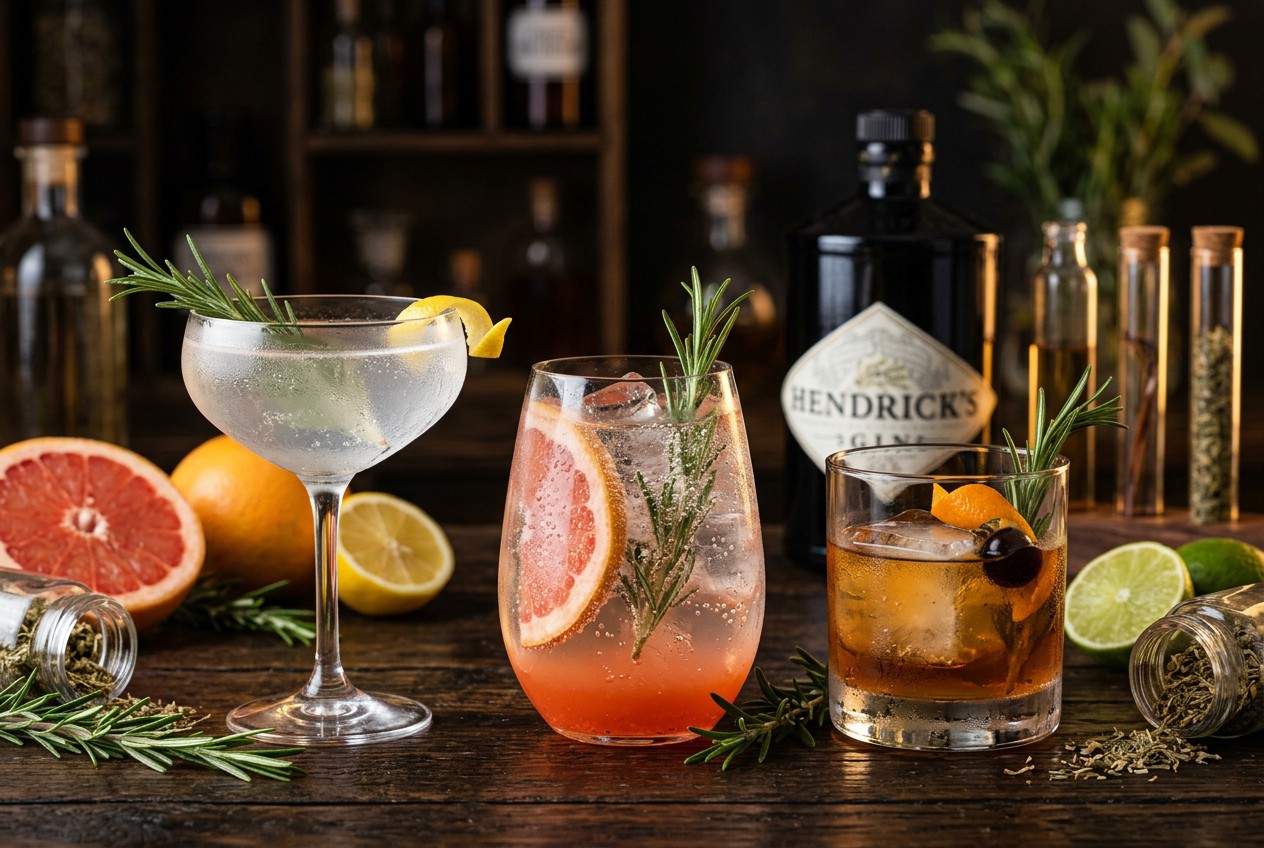
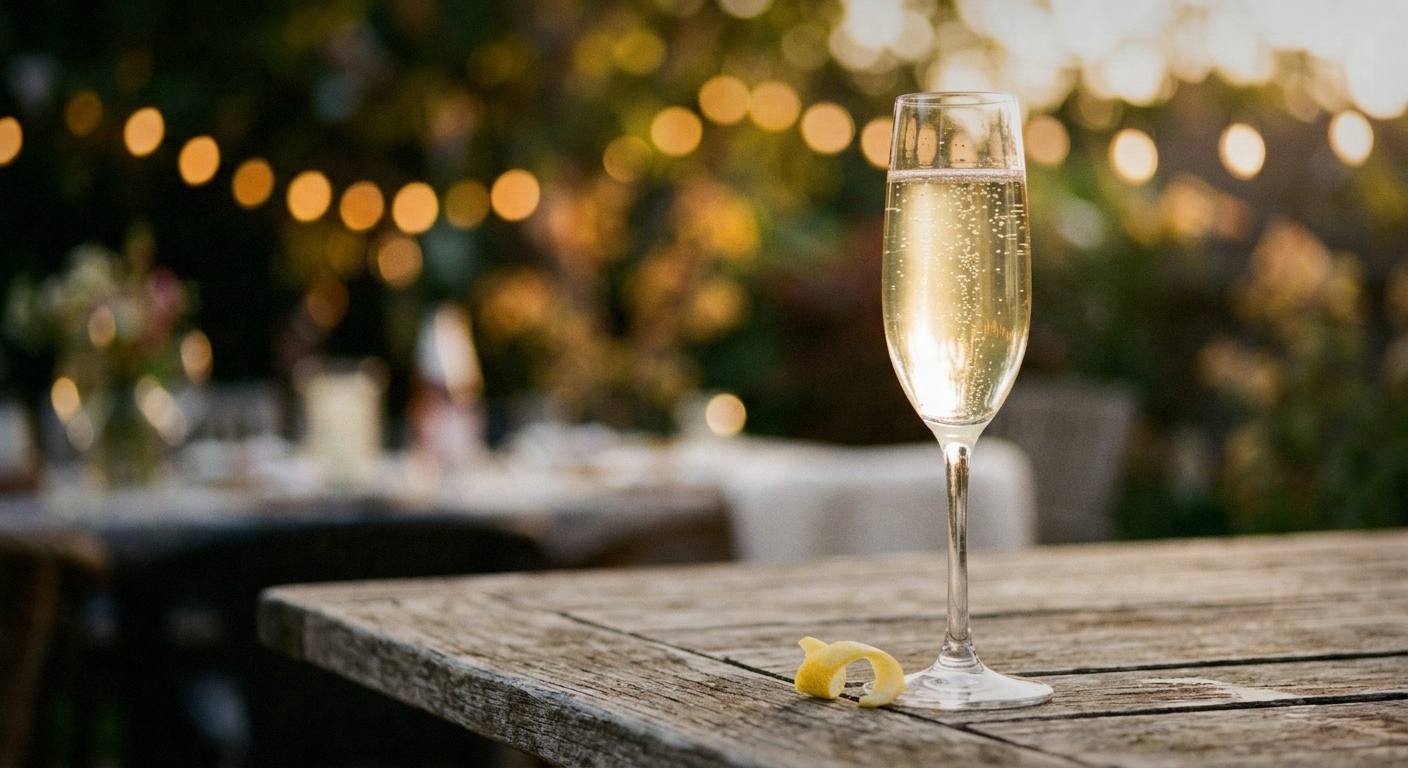
Classic elderflower French 75 with gin, St-Germain, fresh lemon juice, and Champagne. Floral, bright, and effortlessly elegant in under 5 minutes.
The French 75 is already a near-perfect cocktail. Gin, lemon, sugar, Champagne. It’s been around since World War I, named after the French 75mm field gun because of what it does to you after two of them. The elderflower version replaces the simple syrup with St-Germain, which makes the whole thing floral and slightly honeyed without adding another step. You still shake, strain, and top with bubbles. It just smells like a garden now.
At a Glance
| Detail | Info |
|---|---|
| Prep time | 5 minutes |
| Total time | 5 minutes |
| Servings | 1 |
| Difficulty | Easy |
| Key ingredient | St-Germain elderflower liqueur |
| Best for | Date nights, garden parties, weddings |
| Flavor profile | Floral, citrus, dry, effervescent |
| Spirit | Gin + Champagne |
Why St-Germain Changes the Drink
St-Germain replaced the simple syrup in this drink and somehow made it more interesting at the same time. Robert J. Cooper created the liqueur in 2007 (his father invented Chambord), and bartenders started calling it “bartender’s ketchup” within a year because it went with everything. Each bottle contains up to 1,000 handpicked elderflower blossoms from the foothills of the French Alps, harvested during a three-to-four week window in late May and macerated in eau-de-vie within 48 hours of picking.
The flavor profile is hard to pin down. Pear, honeysuckle, lychee, a little grapefruit, and something floral underneath that is distinctly elderflower. It is sweet (180 grams of sugar per liter) but balanced by an acidity that keeps it from tipping into cloying territory. In a French 75, it replaces both the sugar and the water, giving you sweetness and complexity in one pour.
What You Will Need
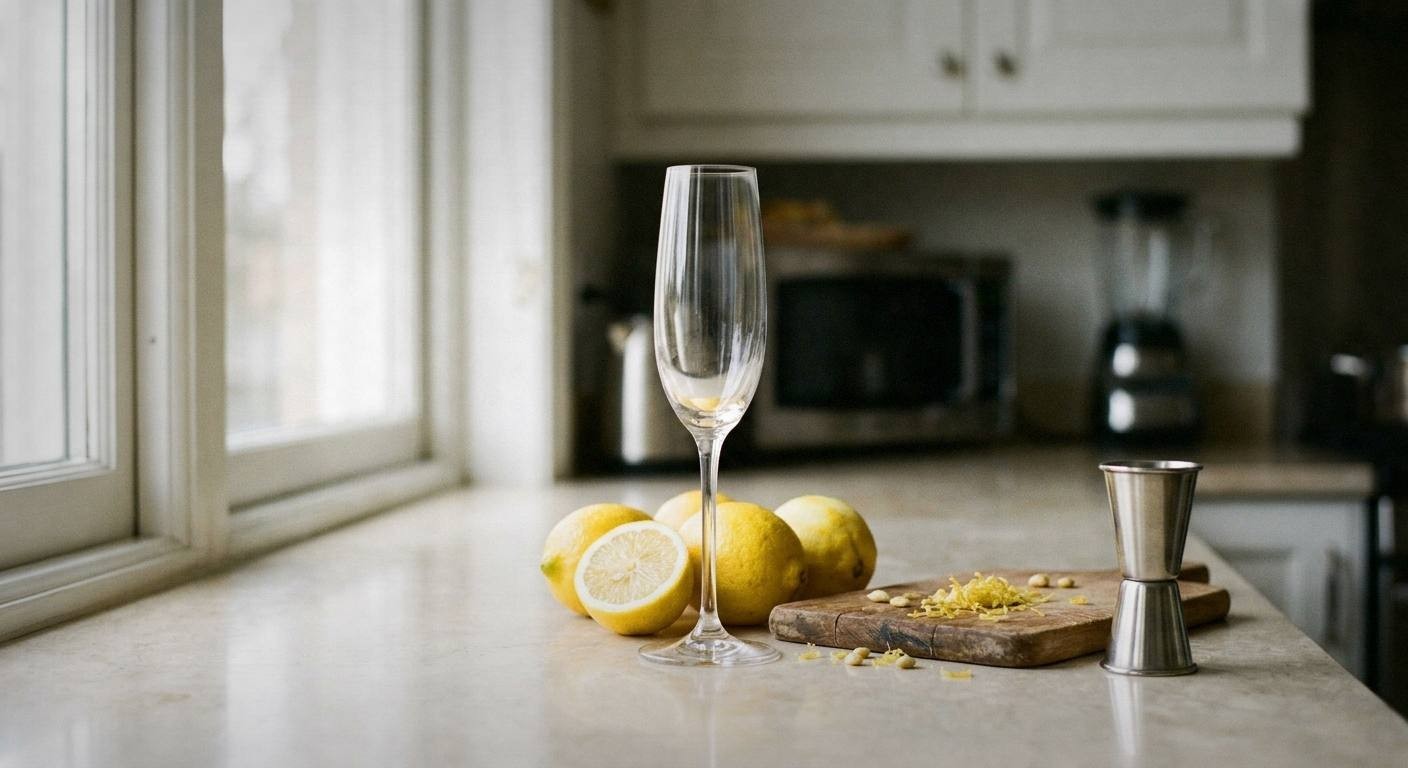
- 1 1/2 oz London Dry gin (Hendrick’s or Tanqueray work well)
- 1 oz St-Germain elderflower liqueur
- 3/4 oz fresh lemon juice (about half a lemon)
- 3 to 4 oz dry Champagne or Prosecco (brut, not sweet)
- Ice for shaking
- Lemon twist, for garnish
On the gin: WellPlated recommends Hendrick’s or Tanqueray. Both have enough juniper backbone to stand up to the elderflower without competing with it. Avoid heavily botanical gins (like Monkey 47) that fight for attention in the glass.
On the bubbles: Brut Champagne is the classic. Prosecco is slightly sweeter and softer. Both work. The one thing that does not work is sweet or demi-sec sparkling wine, which tips the drink into sugar territory fast. Feast + West uses dry Prosecco and notes it is the more budget-friendly option that still delivers.
On the lemon: Fresh only. This should go without saying at this point but bottled lemon juice has a flat, cooked flavor that drags the whole drink down.
On the St-Germain amount: The official St-Germain recipe uses 1 oz of St-Germain with only 0.5 oz of gin, which makes it elderflower-forward (they want you to use more of their product). Most independent recipe developers flip the ratio, putting gin in front at 1.5 oz. That is the version we prefer.
How to Make It
Combine 1 1/2 oz gin, 1 oz St-Germain, and 3/4 oz fresh lemon juice in a cocktail shaker. Fill the shaker with ice.
Shake hard for 10 to 12 seconds until the outside of the shaker frosts over and it is almost too cold to hold. You want the gin and St-Germain ice-cold before the Champagne goes in.
Strain into a chilled Champagne flute or coupe glass. A coupe shows off the color better and gives you more room for bubbles.
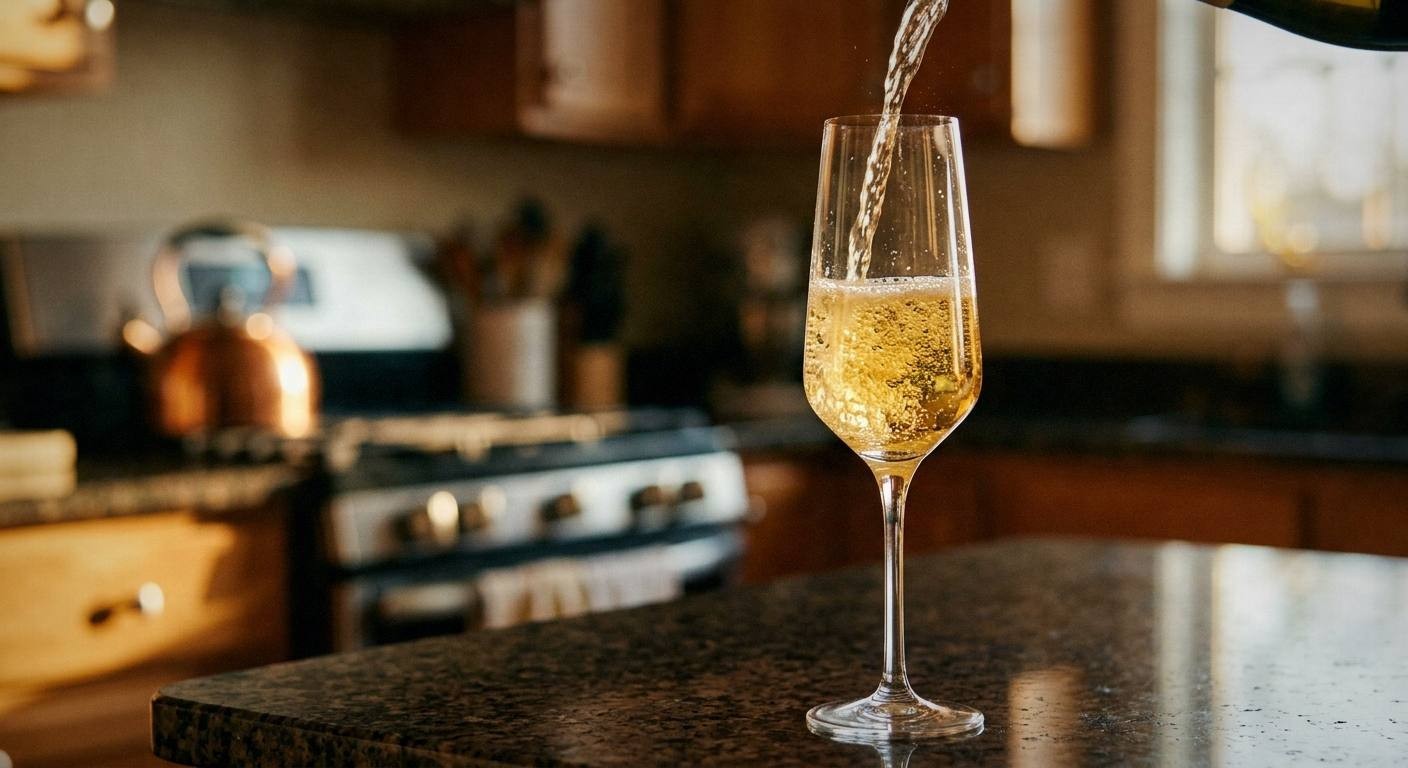
Top slowly with 3 to 4 oz of cold dry Champagne or Prosecco. Pour down the inside of the glass to preserve the carbonation.
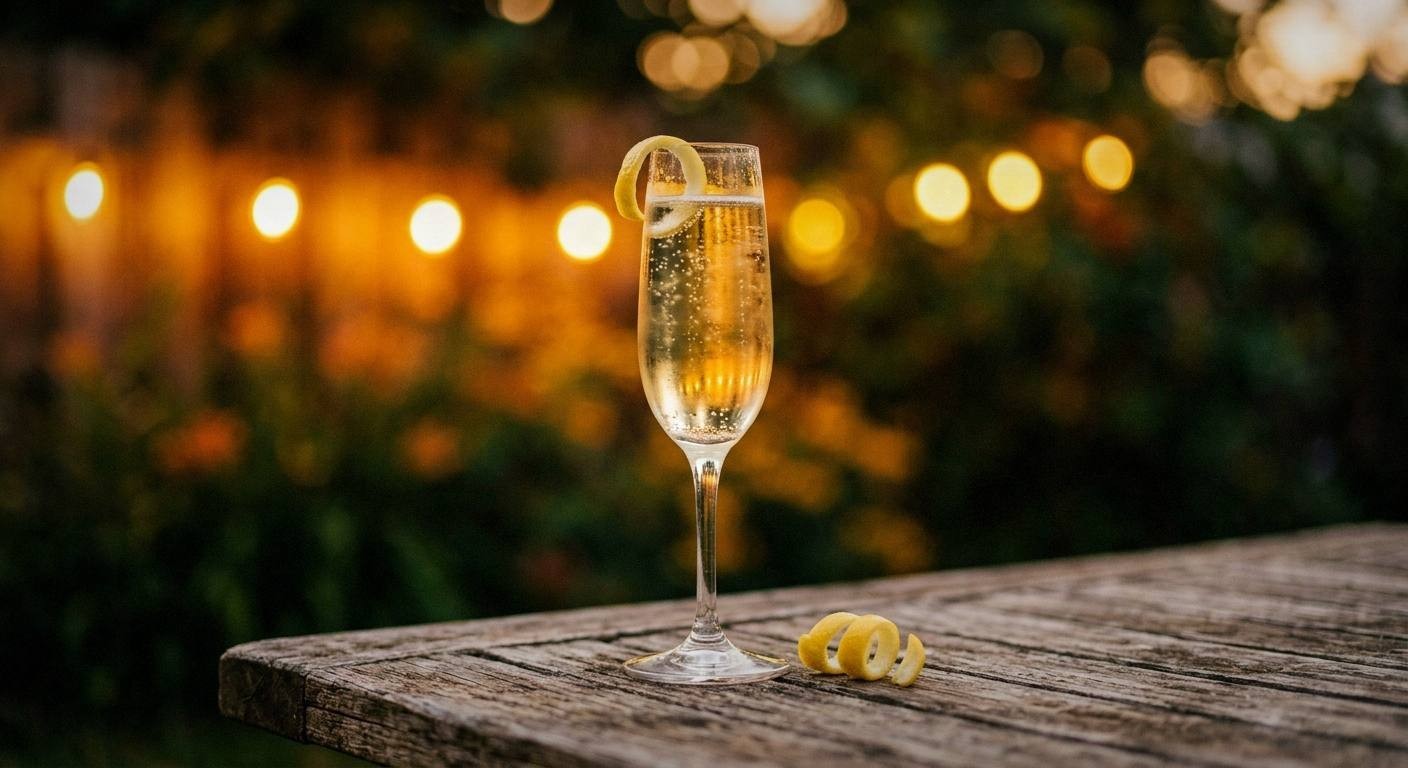
Express a lemon twist over the surface of the drink. Hold the peel over the glass, skin side down, and give it a sharp twist so the oils spray across the top. Drop it in or balance it on the rim.
The Elderflower Connection
Elderflower has been part of European herbalism for centuries. Traditional practitioners used elderflower tea as a diaphoretic for fevers and colds, and elderflower cordials were a staple of English country kitchens long before St-Germain turned the flower into a cocktail ingredient. If you want to learn more about the plant itself, our elderflower healing benefits article covers the traditional uses in detail.
The flowers bloom in late May across the French Alps, and the picking season lasts about a week at peak ripeness. Farmers in the Haute-Savoie region historically transported the blossoms by bicycle to the distillery to minimize handling damage. Speed matters because the floral compounds start degrading within hours of picking, which is why St-Germain processes everything within 48 hours.
Variations Worth Trying
Elderflower gin fizz: Skip the Champagne. Shake gin + St-Germain + lemon as above, strain into a highball glass with ice, and top with 2 oz of club soda instead. Lighter, more sessionable, and you do not need to open a bottle of Champagne for one drink. Difford’s Guide has the classic fizz ratios.
St-Germain spritz: The brand’s own signature serve. Pour 1.5 oz St-Germain over ice in a large wine glass, add 2 oz Prosecco and 2 oz soda water, stir once, garnish with a lemon twist. No shaking, no gin. It is the easiest elderflower drink you can make. Beautiful for a patio afternoon.
Elderflower Collins: Our elderflower gin Collins recipe stretches the drink into a taller, more refreshing format with more soda and a longer pour. Great for hot afternoons when you want something you can nurse for a while.
If you want to go deeper into elderflower, try making your own syrup base with our elderflower cordial recipe. It is a UK-style cordial without citric acid that you can use in place of St-Germain for a completely homemade version of this drink.
For more gin-based summer cocktails, the basil gin smash takes the herbaceous route with muddled basil, and the lavender hibiscus highball adds another layer of floral to the gin-and-botanical pairing.
Before You Start
Chill everything. The gin, the St-Germain, the Champagne, and the glass. This drink lives or dies on temperature. Warm components mean a flat, flabby cocktail.
Do not skip the shake. Some French 75 recipes just build everything in the glass. Shaking emulsifies the lemon juice with the spirits and creates a slightly silky texture that you lose with a stir-and-pour approach.
Open the Champagne last. It goes flat fast. Top each glass individually, right before serving. If you are making a batch for a party, combine the gin, St-Germain, and lemon in a pitcher and keep it cold. Add the Champagne to individual glasses.
One bottle of St-Germain goes a long way. At 1 oz per cocktail, a 750 ml bottle gives you about 25 drinks. It keeps for 6 months in the fridge after opening but slowly loses its floral intensity.
Common Questions
What can I substitute for Champagne?
Any dry sparkling wine works. Prosecco is the most common substitute and adds a slightly fruitier, softer character. Cava is another good option at a lower price point. The key word is “dry” or “brut.” Sweet sparkling wines will throw the balance off.
Can I make this without gin?
You can, and at that point you have a St-Germain spritz with lemon. It is still good. The gin adds juniper backbone and herbal complexity that makes the French 75 version more structured. Vodka works as a neutral swap if you want the alcohol without the juniper flavor.
How far ahead can I batch this?
The shaken base (gin + St-Germain + lemon juice) holds in the fridge for up to 4 hours. Beyond that the lemon juice starts tasting oxidized. Champagne gets added at the moment of service, always.
Is St-Germain worth the price?
At about 35 to 40 dollars for a bottle that makes 25 cocktails, each drink costs you about a dollar fifty in elderflower liqueur. Compare that to ordering an elderflower French 75 at a cocktail bar for 16 to 20 dollars. The bottle pays for itself in three drinks.

Camille writes about botanical drinks, herbal cocktails, and the old plant wisdom that makes them work. Most days you'll find her in the garden or the kitchen, turning herbs into something worth sipping.