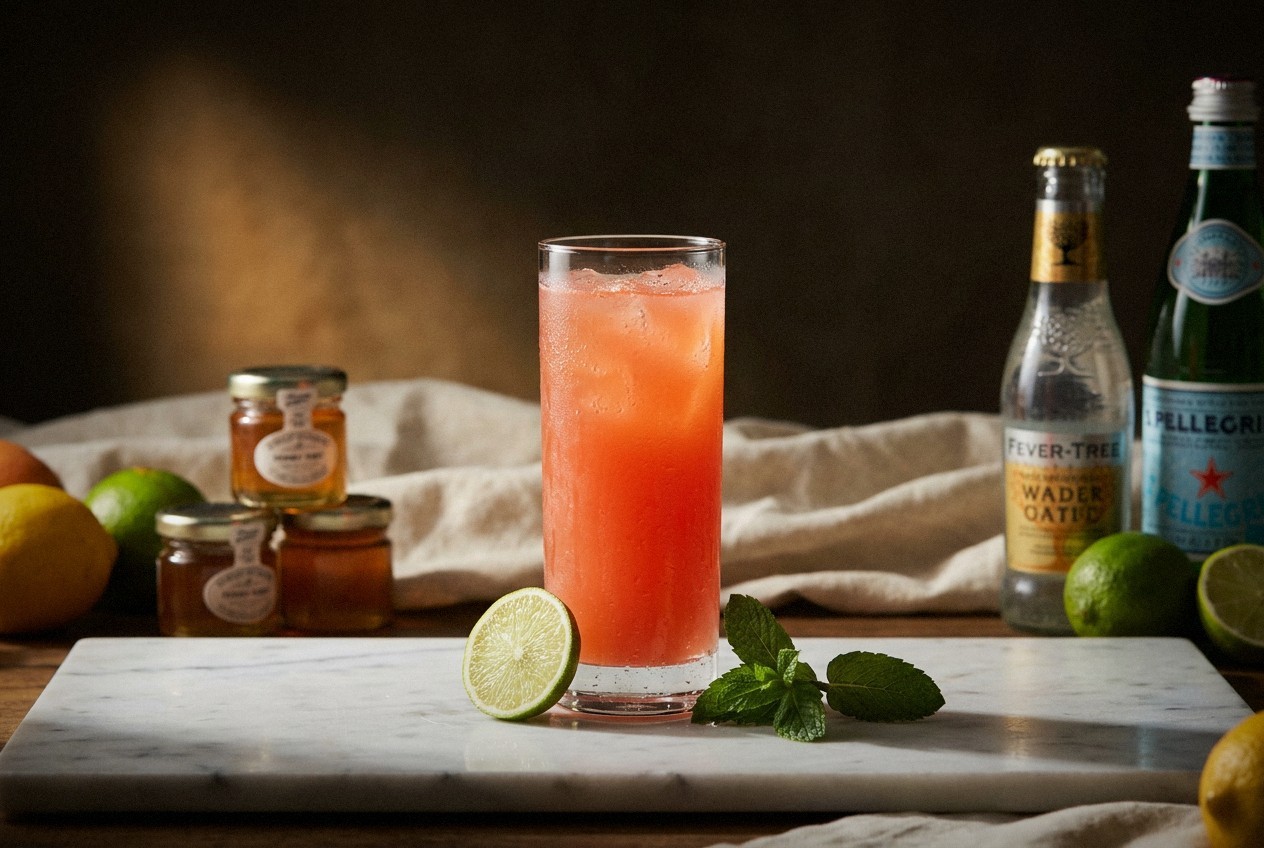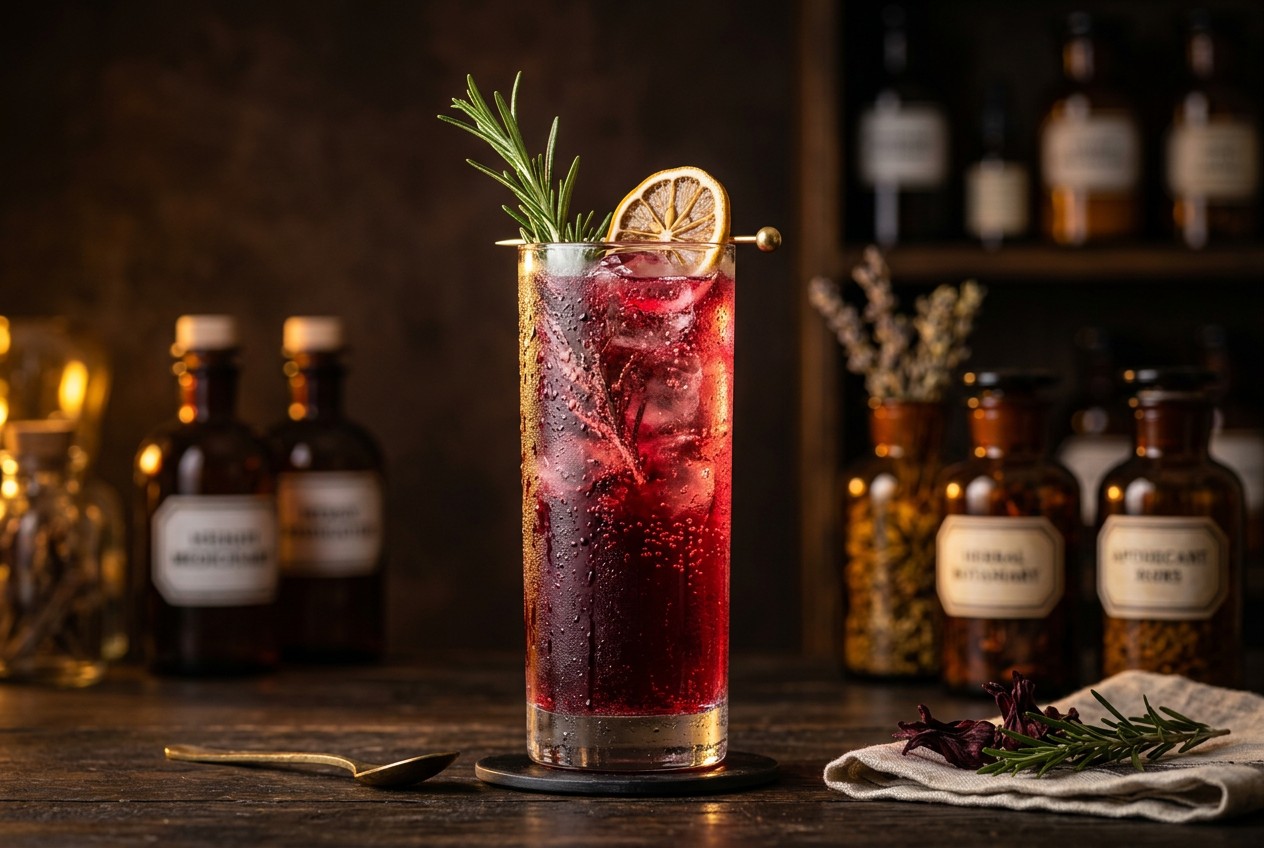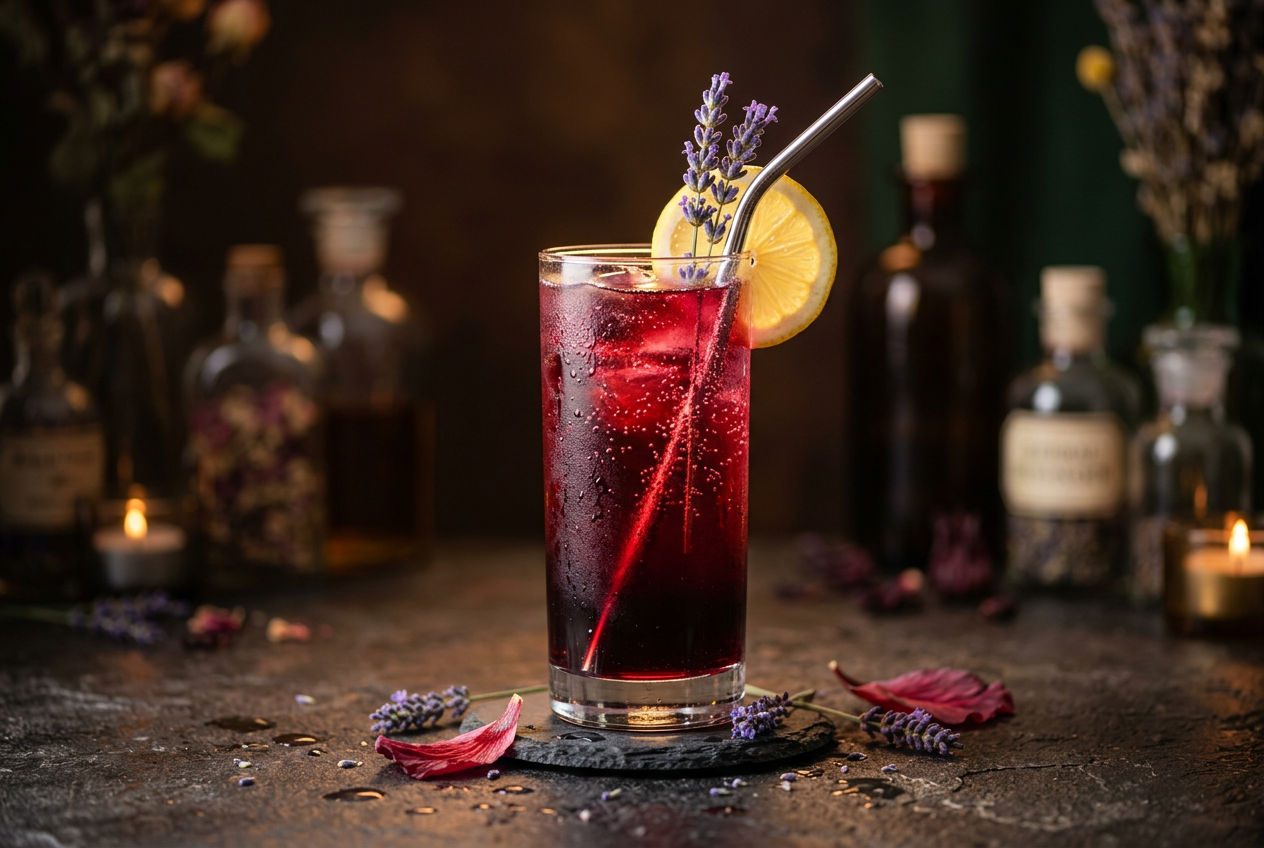
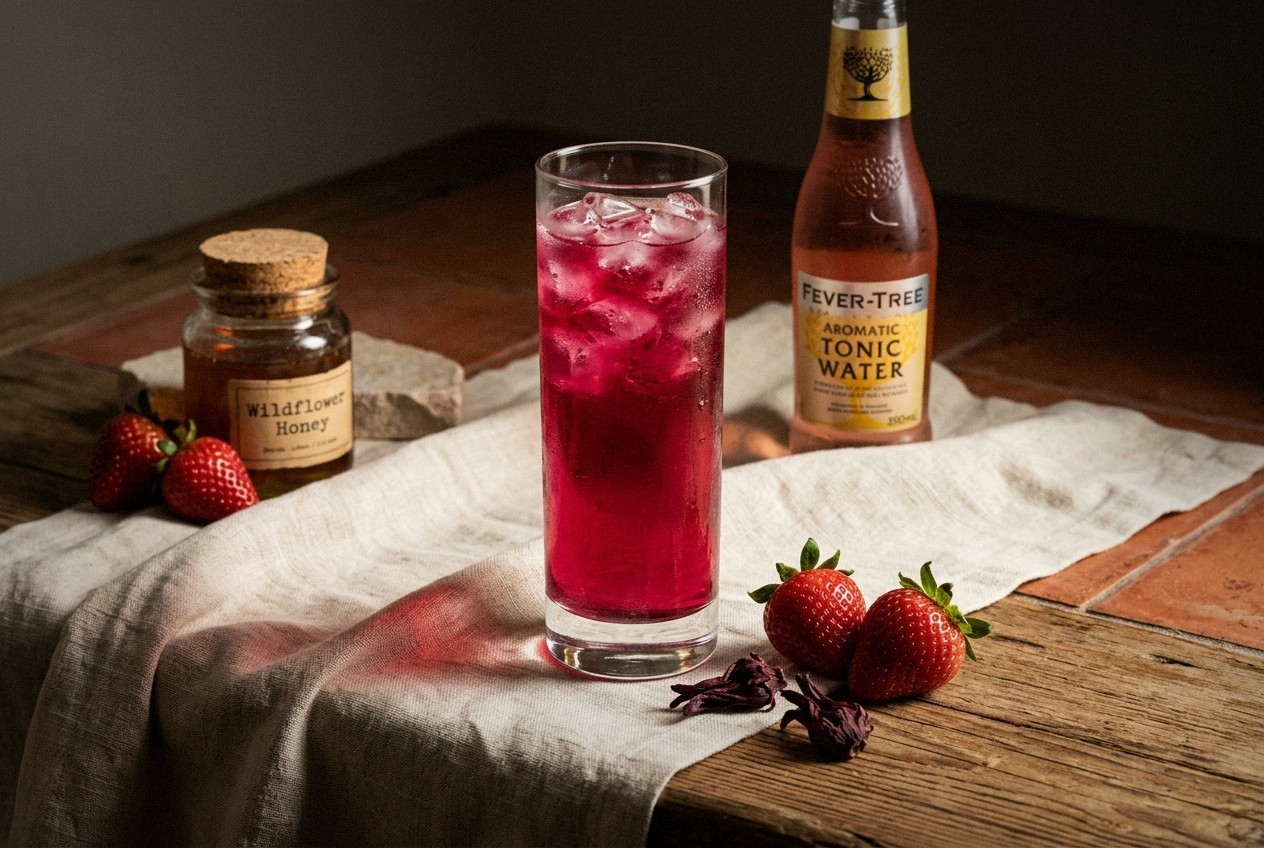
Bright strawberry hibiscus agua fresca with vitamin C and anthocyanins. Get the recipe for radiant skin hydration.
Why You Will Love This
One cup of this agua fresca delivers 120mg of vitamin C, nearly double your daily requirement. The strawberries bring ascorbic acid for collagen synthesis while hibiscus contributes anthocyanins that protect skin cells from oxidative stress. It tastes like spring condensed into a glass: tart, floral, and cold enough to make your teeth ache.
The Story Behind It
Agua fresca means “fresh water” in Spanish, a category of blended fruit drinks that originated in Mexico and Central America. This version layers strawberry season (March through early June in most regions) with hibiscus, which has been used in Egyptian and West African traditions for centuries as a cooling tonic. The combination became popular in California’s Latin American communities during the 1980s, where herbalists noticed clients reporting clearer skin after regular consumption.
What You Will Need
For the Hibiscus Base:
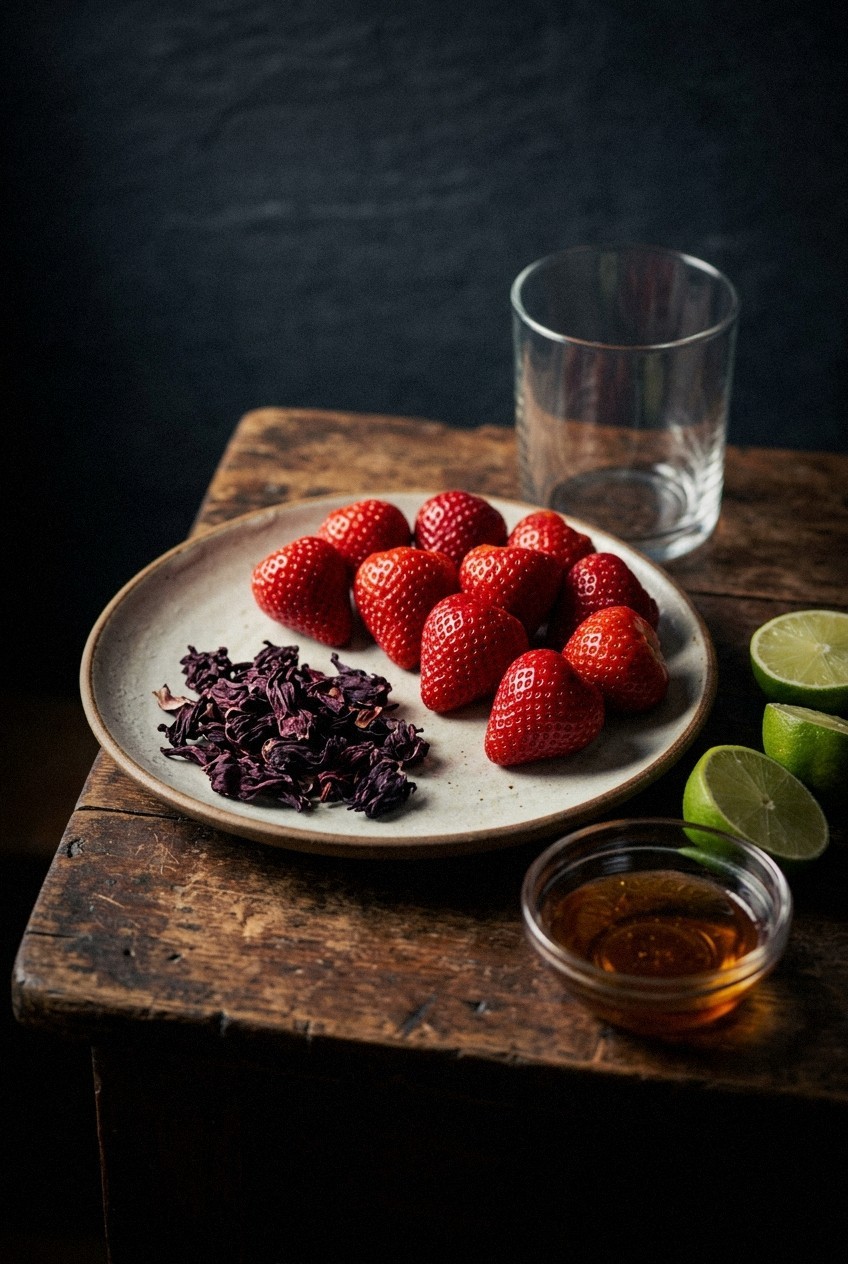
- 2 cups fresh strawberries, hulled (about 10 oz)
- 1/4 cup dried hibiscus flowers (about 10g, available at Latin markets or online)
- 4 cups water, divided
- 2 tablespoons fresh lime juice (about 1 lime)
- 2-3 tablespoons agave nectar or raw honey
- Ice cubes
- Fresh strawberry slices and lime wheels for garnish
Use organic strawberries if possible. Conventional berries rank #1 on the Environmental Working Group’s pesticide residue list, with an average of 7.8 different pesticides per sample in 2024 testing.
How to Make It
Bring 2 cups water to a boil. Pour over hibiscus flowers in a heatproof bowl and steep for 8 minutes. Strain and let cool to room temperature. This extracts the maximum anthocyanin content without bitterness.
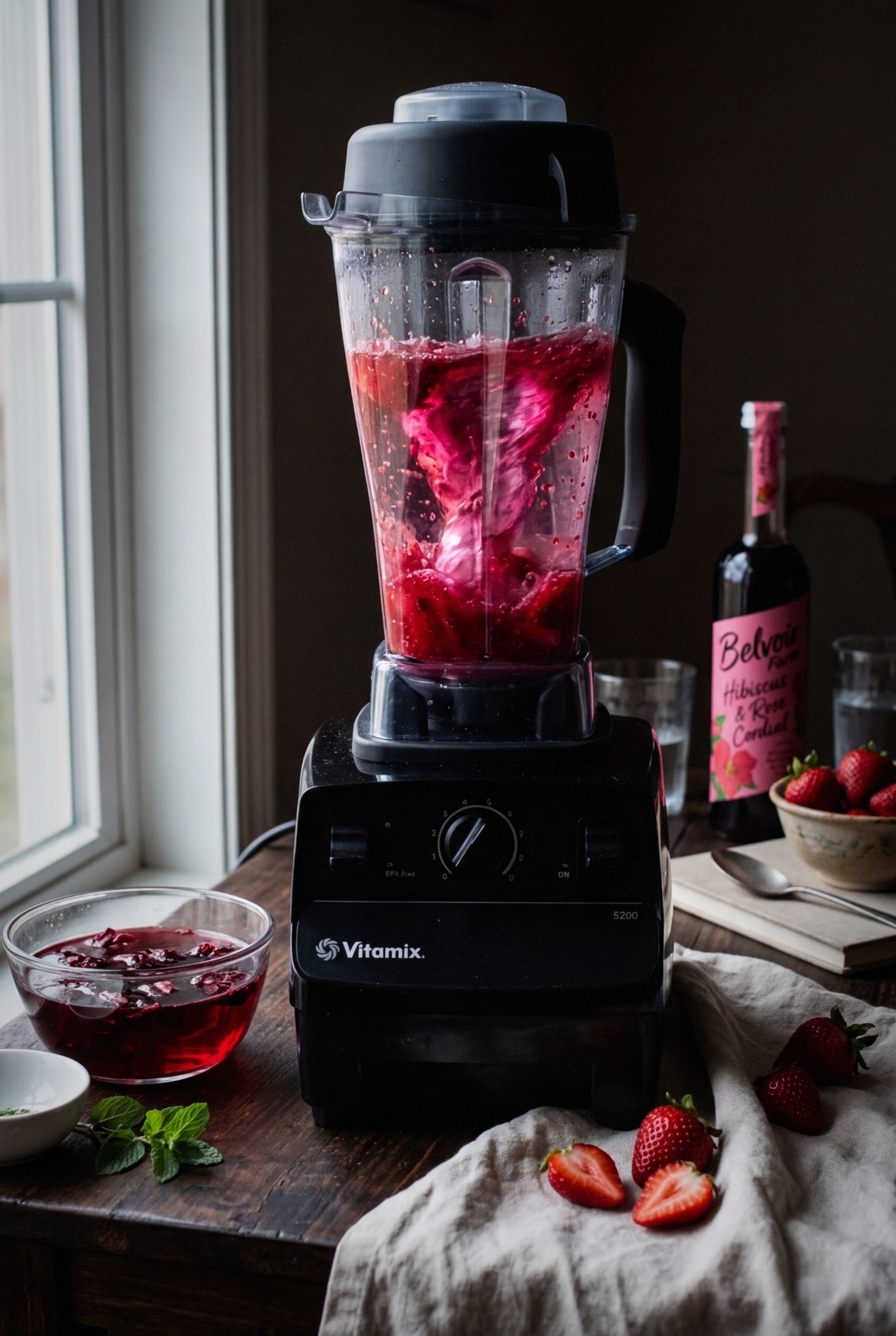
Add strawberries, cooled hibiscus tea, remaining 2 cups cold water, lime juice, and 2 tablespoons agave to a blender. Blend on high for 45 seconds until completely smooth.
Taste and add remaining agave if needed. The natural tartness should be present but not puckering. Strain through a fine-mesh sieve into a pitcher, pressing solids to extract all liquid.
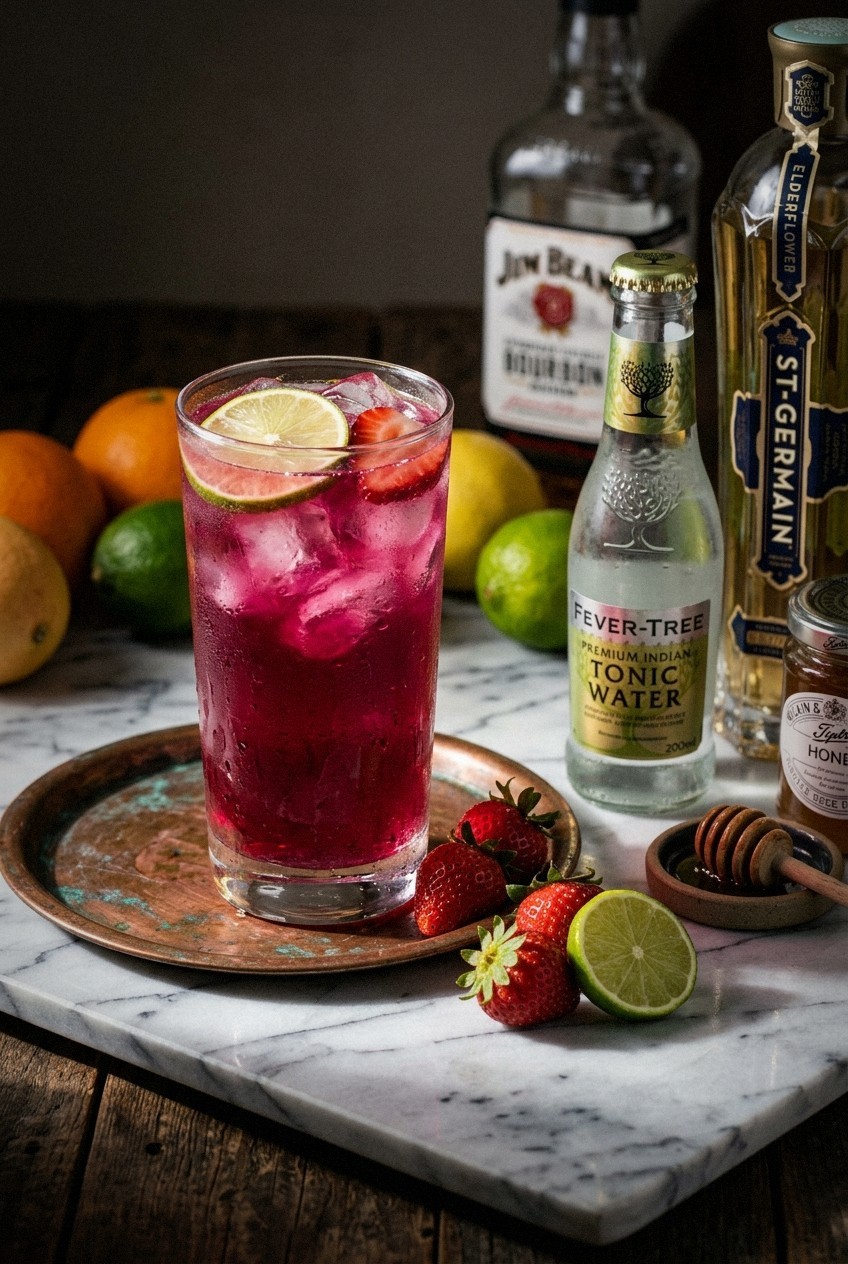
Fill glasses with ice, pour agua fresca over, and garnish with fresh strawberry slices and lime wheels. Serve immediately while the color is brightest.
Herbalist Notes
Hibiscus (Hibiscus sabdariffa): Contains 15-30mg anthocyanins per gram of dried flowers. A 2023 study in the Journal of Functional Foods found daily hibiscus consumption increased skin elasticity by 11% over 12 weeks in participants aged 30-50. The mechanism involves inhibition of elastase, the enzyme that breaks down collagen.
Strawberries: Provide 89mg vitamin C per cup, plus ellagic acid, a polyphenol that blocks UV-induced matrix metalloproteinases (the enzymes that degrade skin structure). Choose berries with deep red color extending to the center. Pale cores indicate early harvest and lower nutrient density.
Lime Juice: Adds 13mg vitamin C per tablespoon and citric acid, which helps maintain the bright magenta color by lowering pH. Without acid, anthocyanins shift toward purple-blue within 2 hours.
Make It Your Own
Swap half the strawberries for raspberries or blackberries for a darker, more astringent version. Add 1/4 teaspoon ground ginger during blending for circulation support. For a sparkling version, use 2 cups hibiscus tea and 2 cups chilled sparkling water instead of still. The agua fresca keeps refrigerated for 48 hours but loses about 20% of its vitamin C content after the first day.
Common Questions
How much hibiscus is safe to drink daily?
The European Food Safety Authority sets the safe upper limit at 15g dried hibiscus per day for adults, equivalent to about 6 cups of this agua fresca. Most herbalists recommend 5-10g daily for skin and cardiovascular benefits. Avoid hibiscus if you are pregnant (it may stimulate menstruation) or taking blood pressure medication (it has mild hypotensive effects, dropping systolic pressure by 7-10 mmHg in clinical trials).
Can I use frozen strawberries instead of fresh?
Yes, but thaw them completely and drain excess liquid before blending. Frozen berries release more water, which dilutes the flavor. Reduce the added water to 3 cups instead of 4. Frozen berries retain 85-90% of their vitamin C content if stored properly (under 0°F for less than 8 months), according to USDA data.
Why does my agua fresca turn brown after a few hours?
Anthocyanins oxidize when exposed to air and light. Store in an airtight container in the refrigerator and fill glasses just before serving. Adding 1 tablespoon extra lime juice per batch slows oxidation by about 6 hours. The color shift does not affect nutritional content, just visual appeal.
What is the best time of day to drink this for skin benefits?
Morning, with or after breakfast. Vitamin C absorption peaks when consumed with a small amount of fat (the body absorbs 30-40% more when paired with nuts, avocado, or eggs). The hydration effect is most noticeable when you drink 16 oz within the first 2 hours after waking, when overnight water loss averages 1-2 pounds.