Tepache uses pineapple scraps, piloncillo, and wild fermentation to create a probiotic tonic. Get the recipe for this Mexican fermented drink.
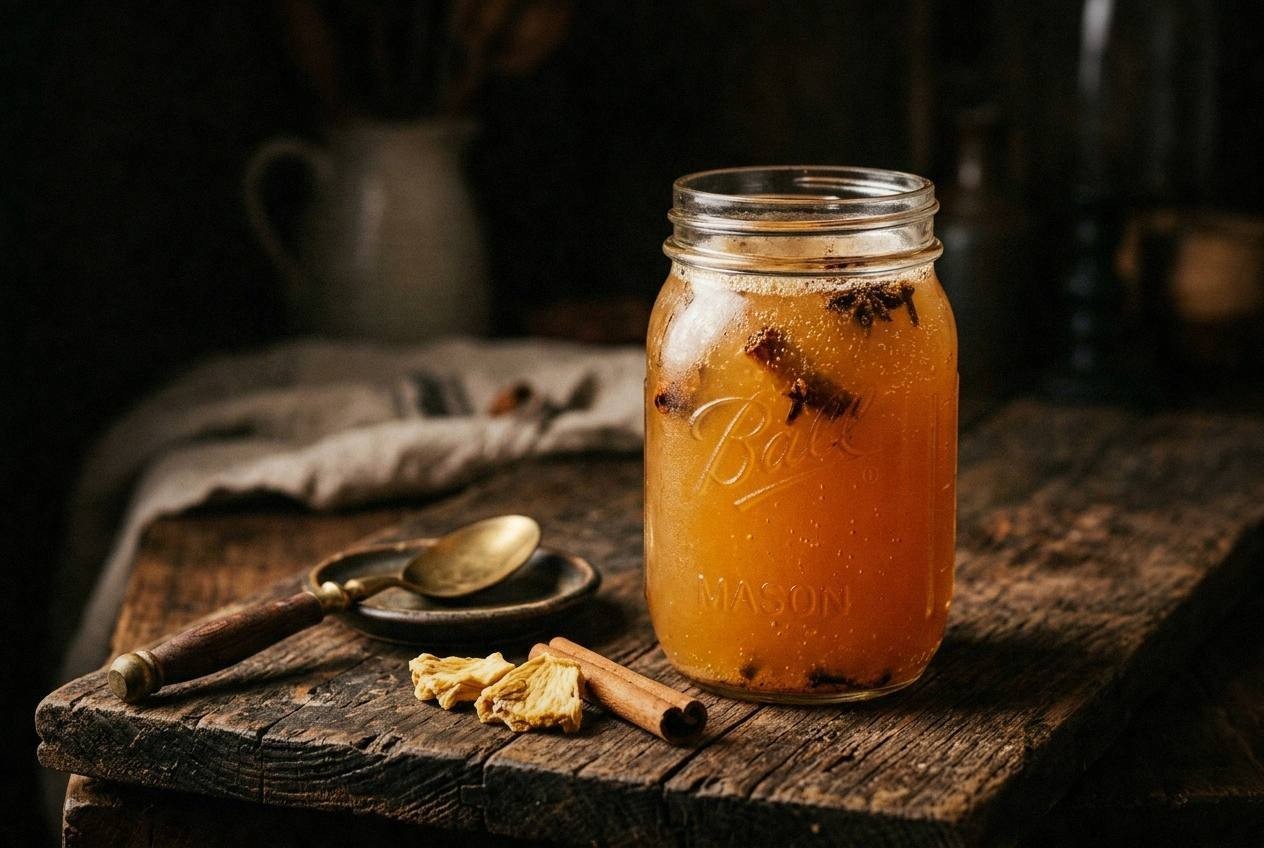
Tepache is a Mexican fermented drink made from pineapple rinds, piloncillo sugar, and wild yeast that naturally lives on the fruit skin. It ferments in 2 to 3 days at room temperature. You get a tangy, lightly carbonated tonic rich in probiotics and bromelain, the enzyme that aids protein digestion. This recipe yields 6 servings and requires no starter culture.
At a Glance
| Detail | Info |
|---|---|
| Prep time | 15 minutes |
| Total time | 2-3 days |
| Servings | 6 |
| Difficulty | Easy |
| Key ingredient | Pineapple rinds with wild yeast |
| Best for | Digestive support, probiotic intake, spring refreshment |
| Flavor profile | Tangy, mildly sweet, citrusy, spiced |
| Caffeine | Naturally caffeine-free |
Why You Will Love This
Tepache tastes like pineapple soda made by time instead of a factory. The wild fermentation gives it a fizz that tingles on your tongue. The piloncillo adds a caramel depth you will not find in store-bought kombucha. It is one of the easiest ferments to start with because the yeast does all the work.
The Story Behind It
Tepache has been made in Mexico since pre-Columbian times. Originally it fermented with corn and other fruits before pineapple became the standard. Street vendors in Oaxaca and Mexico City still sell it from large glass barrels, ladled into plastic cups over ice. This version stays close to that tradition but scales down for a home kitchen.
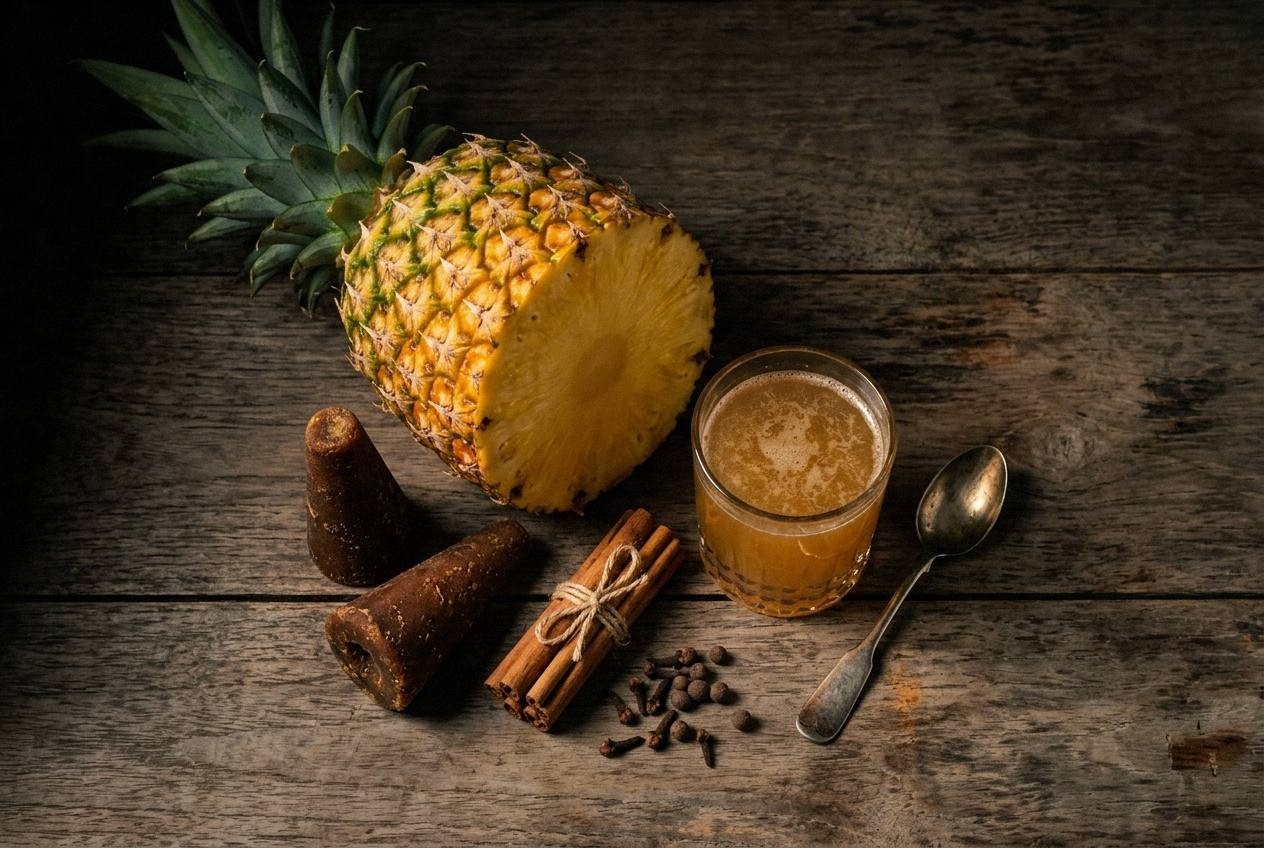
What You Will Need
- 1 whole pineapple (about 3-4 pounds), scrubbed and cut into chunks with rind on
- 8 cups filtered water (chlorinated tap water will kill the wild yeast)
- 1 cup piloncillo or dark brown sugar (piloncillo is unrefined cane sugar sold in cone shapes at Latin markets)
- 2 cinnamon sticks
- 4 whole cloves (optional, adds warm spice notes)
- 1 teaspoon whole black peppercorns (optional, for subtle heat)
- Half-gallon glass jar or ceramic crock
- Cheesecloth or clean kitchen towel
- Fine-mesh sieve
How to Make It
Scrub the pineapple under running water to remove any dirt or wax. Cut off the crown and base, then chop the whole fruit into 2-inch chunks, leaving the rind on. The rind carries the wild yeast that will ferment your tepache.
Place pineapple chunks in your jar. Add the piloncillo (break it into smaller pieces if needed), cinnamon sticks, cloves, and peppercorns.
Pour 8 cups of filtered water over the pineapple until everything is submerged. Leave 2 inches of headspace at the top because fermentation produces gas and foam.
Cover the jar with cheesecloth or a kitchen towel secured with a rubber band. Never use an airtight lid during fermentation or pressure will build and the jar may crack.
Set the jar in a warm spot between 68 and 75°F, away from direct sunlight. A kitchen counter works. Warmer temperatures speed fermentation. Cooler temps slow it.
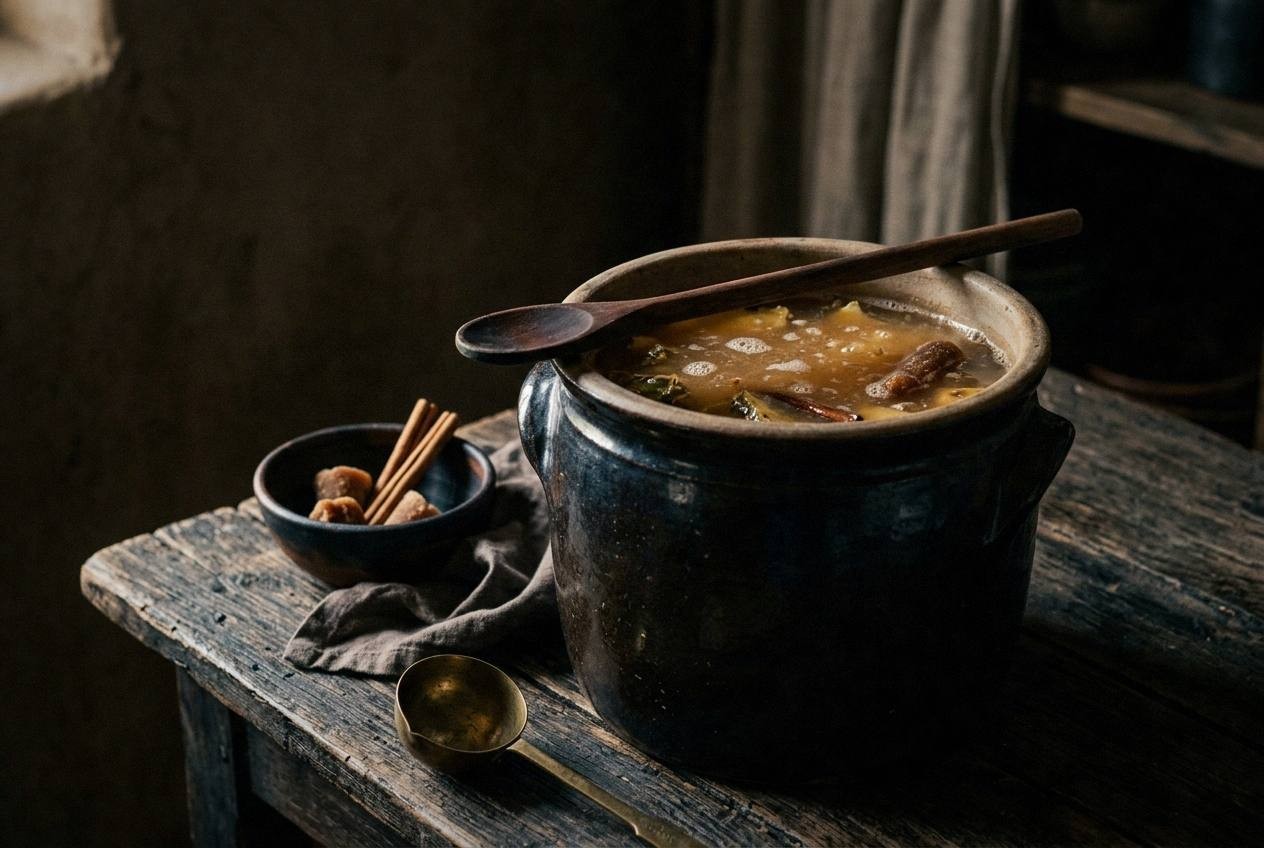
Stir once daily with a clean wooden spoon for the first 2 days. This redistributes the yeast and prevents mold from forming on the surface.
Taste after 48 hours. Tepache is ready when it tastes tangy with a hint of sweetness and you see tiny bubbles rising. If it is still too sweet, ferment another 12 to 24 hours. Do not ferment past 3 days or it will turn vinegary.
Strain through a fine-mesh sieve into clean bottles. Press the solids gently to extract all liquid, then discard them. The pineapple chunks will be pale and spent.
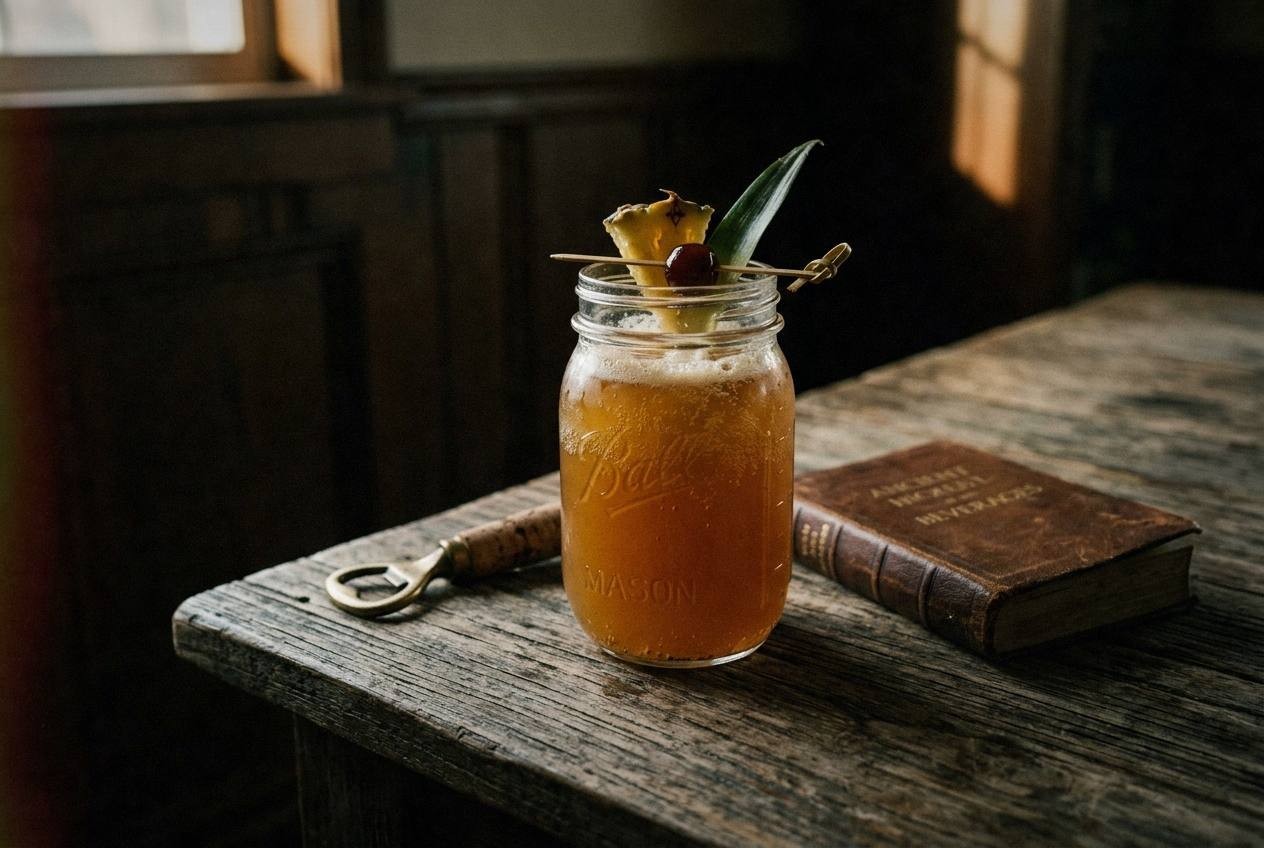
Chill in the refrigerator. Serve over ice within 1 week. The cold slows fermentation but does not stop it, so tepache will continue to develop a slight fizz in the fridge.
Herbalist Notes
Bromelain, the enzyme concentrated in pineapple stems and rinds, breaks down protein molecules. Western herbalism has studied it for reducing inflammation and supporting post-workout recovery. One study published in Alternative Therapies in Health and Medicine (2016) found that bromelain supplementation reduced muscle soreness by 30% compared to placebo.
Piloncillo is unrefined cane sugar that retains trace minerals like iron, calcium, and potassium. The amounts are small (about 85 mg calcium per 100g compared to 0 mg in white sugar), but they contribute to the drink’s mineral profile and feed the fermentation process more reliably than refined sugars.
Wild fermentation relies on Saccharomyces and Lactobacillus species naturally present on fruit skins. A 2018 study in the Journal of Food Science and Technology found that traditionally fermented tepache contained 10^6 to 10^7 CFU/mL of lactic acid bacteria after 48 hours. That is comparable to commercial probiotic drinks.
Make It Your Own
Add a thumb-sized piece of fresh ginger for a spicy kick. Substitute half the water with fresh orange juice for a citrus twist. For a less sweet version, reduce the piloncillo to 3/4 cup and add a tablespoon of raw honey after straining.
Before You Start
Use filtered or spring water, not chlorinated tap water. Chlorine kills the wild yeast you need for fermentation. If you only have tap water, boil it and let it cool completely before using.
The pineapple must be ripe but not overripe. Smell the base of the fruit. It should smell sweet and tropical. If it smells fermented or alcoholic before you start, the fruit is too far gone.
Fermentation speed depends on temperature. At 70°F, tepache is ready in 2 days. At 65°F, it may take 3 to 4 days. If your kitchen is cool, place the jar on top of the refrigerator where it is slightly warmer.
Common Questions
How do I know if my tepache went bad?
Mold is the main concern. If you see fuzzy white, green, or black patches on the surface or floating solids, discard the batch and start over. A thin white film (kahm yeast) is harmless but tastes unpleasant, so skim it off if it appears. Tepache should smell fruity and tangy, not rotten or like nail polish remover.
Can I use canned pineapple or pineapple juice instead of fresh?
No. The wild yeast lives on the rind of fresh pineapple. Canned fruit has been heat-treated, which kills all microorganisms. Pineapple juice will not ferment without adding a starter culture like whey or kombucha SCOBY, and even then, it will not taste like traditional tepache.
How long does tepache last in the fridge?
Up to 1 week if stored in a sealed bottle. The fermentation slows dramatically in the cold but does not stop, so the flavor will continue to develop and the carbonation will increase slightly. Burp the bottle every 2 days to release pressure. After 1 week, the taste turns more acidic and less balanced.
Is tepache alcoholic?
Slightly. Wild fermentation produces trace amounts of alcohol, usually between 0.5% and 2% ABV after 2 to 3 days, similar to kombucha. If you ferment longer than 3 days or add extra sugar, the alcohol content increases. For a non-alcoholic version, ferment for only 24 hours and strain immediately.

Camille writes about botanical drinks, herbal cocktails, and the old plant wisdom that makes them work. Most days you'll find her in the garden or the kitchen, turning herbs into something worth sipping.