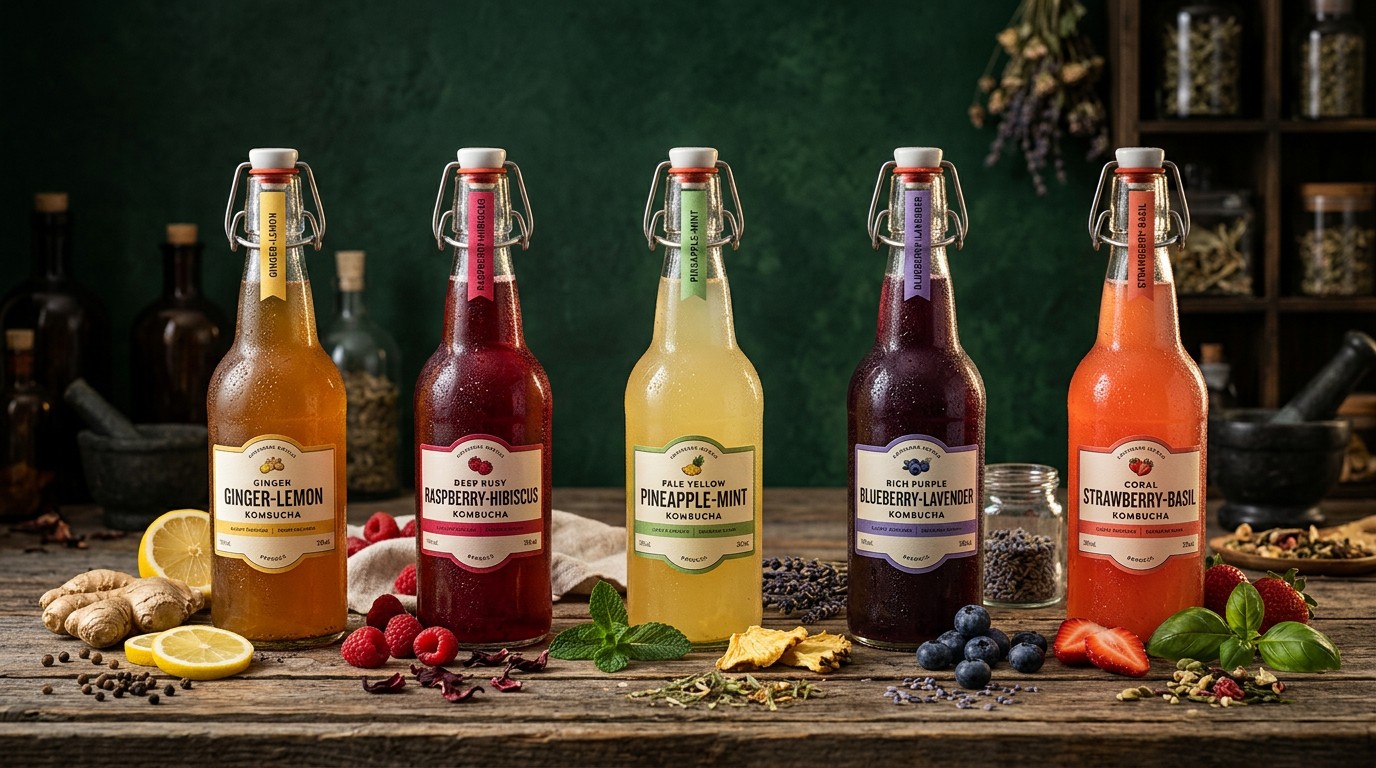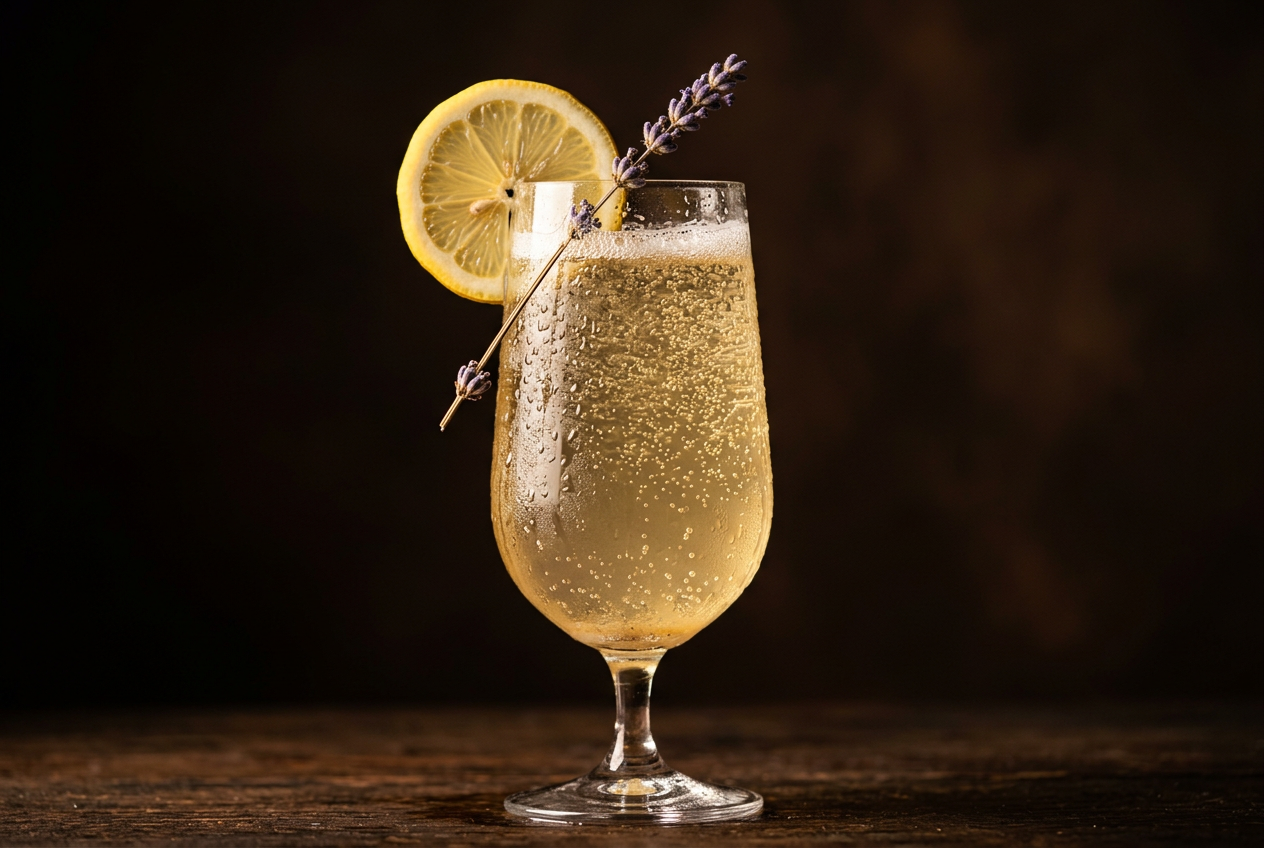

Make traditional Mexican tepache with pineapple rinds, piloncillo, and spices. Probiotic-rich fermented drink. Get the recipe.
Why You Will Love This
Tepache tastes like sunshine caught mid-ferment. Bright, tangy, lightly effervescent, with warm notes of cinnamon and clove threading through every sip. This traditional Mexican fermented pineapple drink delivers gut-loving probiotics while rescuing what most people toss: the rinds and core of a fresh pineapple.
The Story Behind It
Walk through any mercado in Mexico and you will find tepache sold by the cupful, sometimes from enormous clay pots called ollas. Families have made this fermented drink for generations, transforming piloncillo (unrefined whole cane sugar), pineapple scraps, and pantry spices into something alive and delicious. It is thrifty alchemy. Nothing wasted, everything honored.
What You Will Need
For the Base:
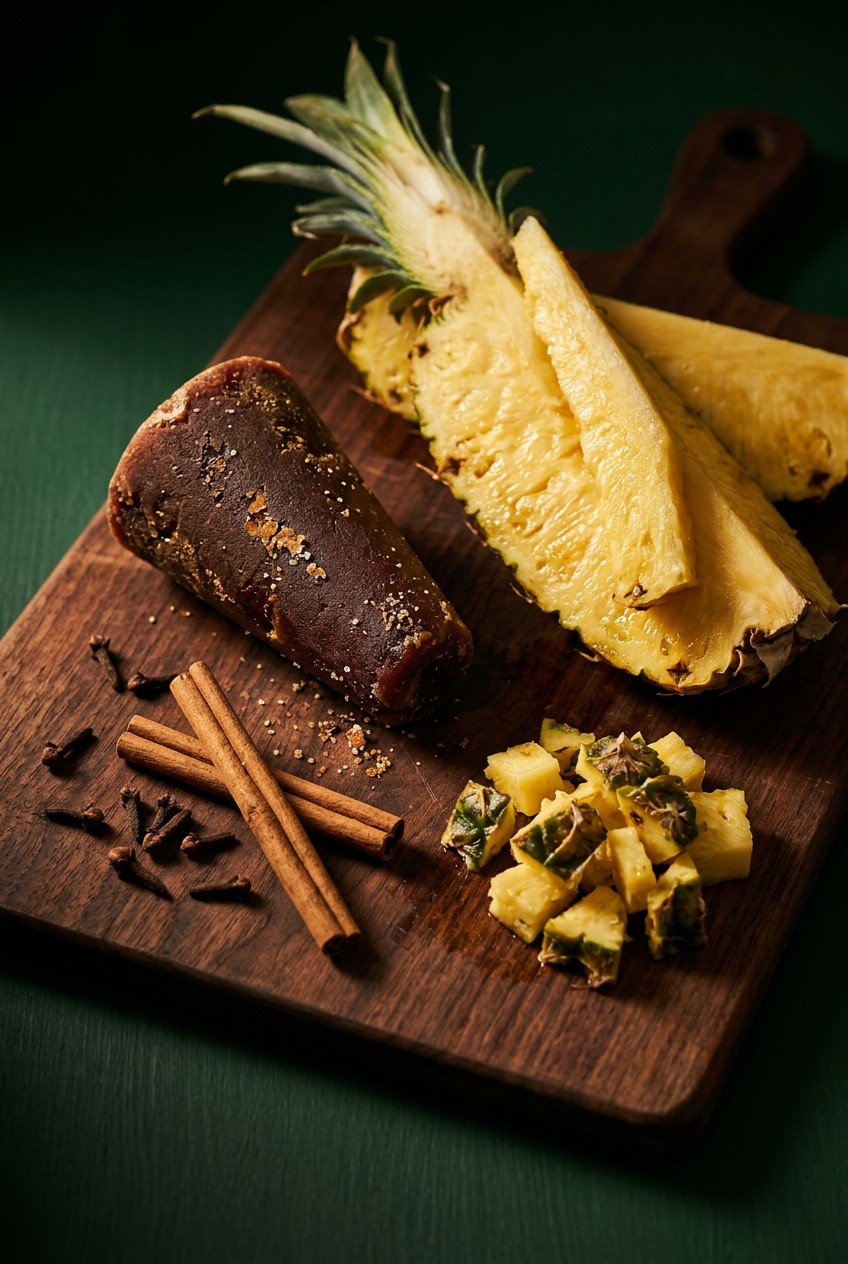
- Rinds and core from 1 large ripe pineapple (about 4 cups chopped)
- 8 cups filtered water (chlorine will inhibit fermentation)
- 1 cup piloncillo, chopped (or 3/4 cup brown sugar)
- 2 cinnamon sticks
- 4 whole cloves
Equipment:
- Large glass jar or non-reactive container (half-gallon or larger)
- Cheesecloth or clean kitchen towel
- Fine-mesh strainer
How to Make It
Rinse the pineapple thoroughly under cool water. Scrub the skin gently to remove any dirt or residue. Cut away the rinds and core, leaving a bit of fruit clinging to the rinds for natural yeast and sugars.
Chop the rinds and core into rough chunks. Place them in your glass jar.
Add the piloncillo, cinnamon sticks, and cloves. Pour in the filtered water until everything is submerged.
Stir well to begin dissolving the piloncillo. Cover the jar with cheesecloth or a clean towel secured with a rubber band. You want airflow, not a sealed lid.
Let the jar sit at room temperature (68-75°F is ideal) away from direct sunlight. Stir once daily.
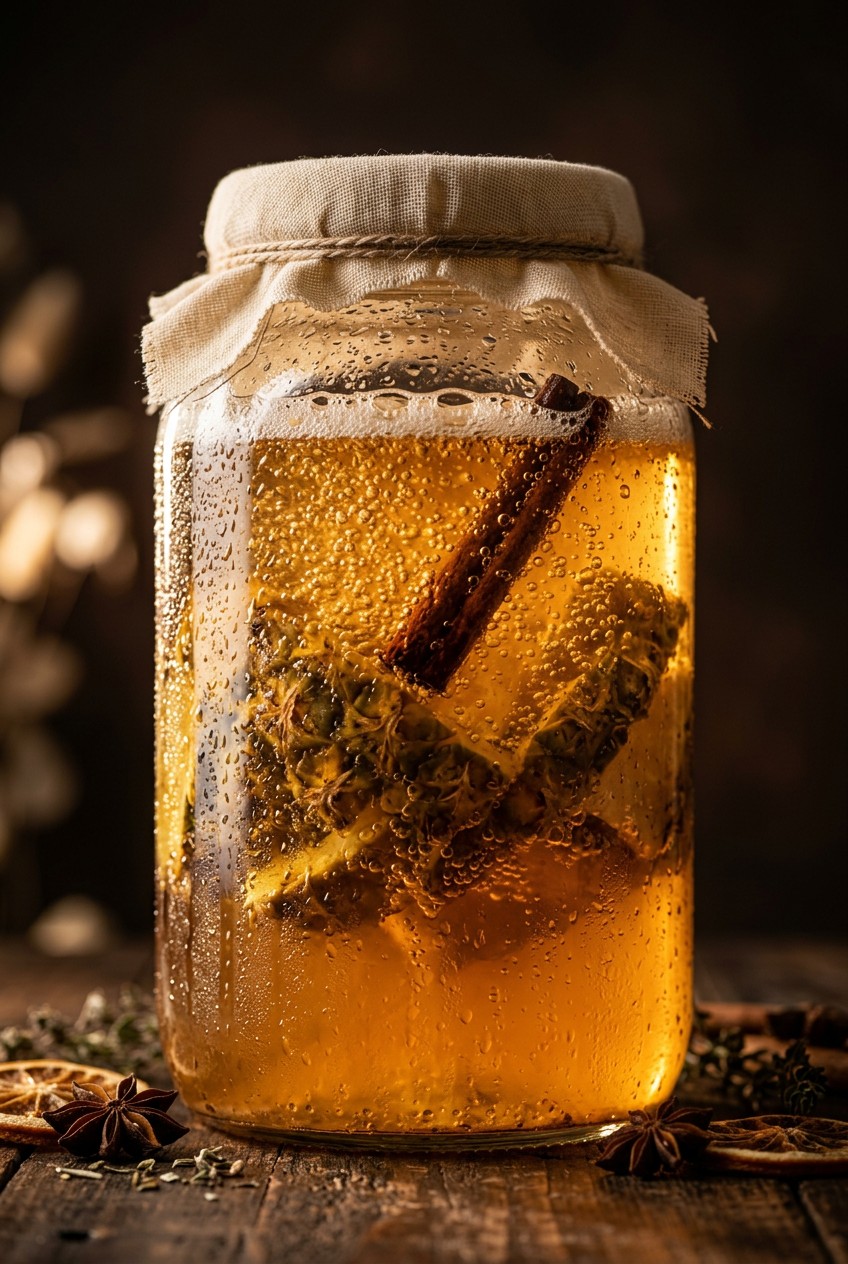
After 24 hours, you will see tiny bubbles forming. By day two or three, the tepache will smell fruity and slightly yeasty. Taste it. When it reaches a balance of sweet and tangy with gentle effervescence, it is ready. This usually takes 2 to 4 days depending on temperature.
Strain out the solids through a fine-mesh strainer. Compost the spent rinds. Transfer the liquid to bottles and refrigerate. Drink within a week for best flavor and probiotic activity.
Herbalist Notes
Bromelain and Digestion: Pineapple contains bromelain, a proteolytic enzyme that aids protein digestion. While most bromelain lives in the core and stem, some remains in the rinds. Fermentation does not destroy it entirely, though heat will.
Probiotics vs. Kombucha: Tepache ferments faster than kombucha and relies on wild yeasts and lactic acid bacteria naturally present on the pineapple skin. The probiotic profile differs from kombucha’s SCOBY-driven fermentation, but both support gut health through live cultures and organic acids.
Piloncillo Matters: Unrefined cane sugar like piloncillo brings trace minerals and a deeper molasses note than white sugar. It also feeds the fermentation more robustly. Brown sugar works, but piloncillo is traditional and worth seeking out at Latin markets.
Fermentation Time: Warmer kitchens speed fermentation. Cooler rooms slow it. Taste daily after 48 hours. Over-fermented tepache turns vinegary and loses its gentle sweetness. Under-fermented tepache tastes flat and overly sweet.
Make It Your Own
For a second fermentation with more fizz, bottle the strained tepache with a small piece of fresh pineapple or a pinch of sugar. Cap tightly and leave at room temperature for 12 to 24 hours, then refrigerate. Burp the bottles daily to prevent over-carbonation.
Add heat with a slice of fresh jalapeño during the initial ferment. The capsaicin plays beautifully against the fruit’s sweetness. Or try ginger root for a warming, digestive boost.
Serve over ice with a squeeze of lime and a sprig of mint. Mix it half-and-half with sparkling water for a lighter sipper. Use it as a base for alcohol-free cocktails where you want complexity and gentle acidity.