Why You Will Love This
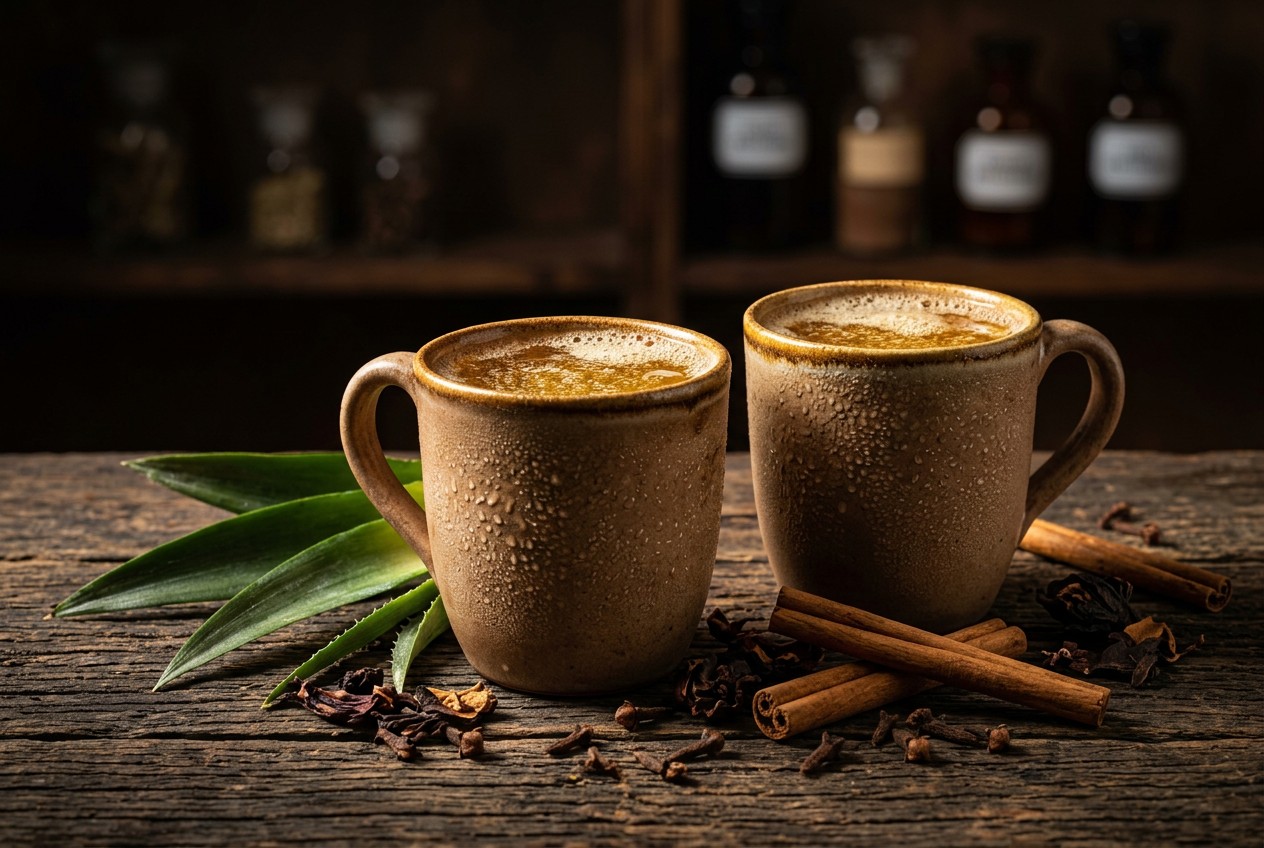
Tepache is bright, tangy, and lightly fizzy, with warm cinnamon and clove in every sip. This traditional Mexican fermented pineapple drink turns what most people toss, the rinds and core of a fresh pineapple, into a lightly fizzy drink in about 2 to 4 days.
Knowing when to stop is the trick. Pineapple skin carries wild yeasts and bacteria, so tepache ferments quickly, and one warm afternoon can separate sweet, bubbly tepache from sharp pineapple vinegar. Use the timeline below as a checkpoint while the jar sits on the counter.
Quick Answers About Tepache
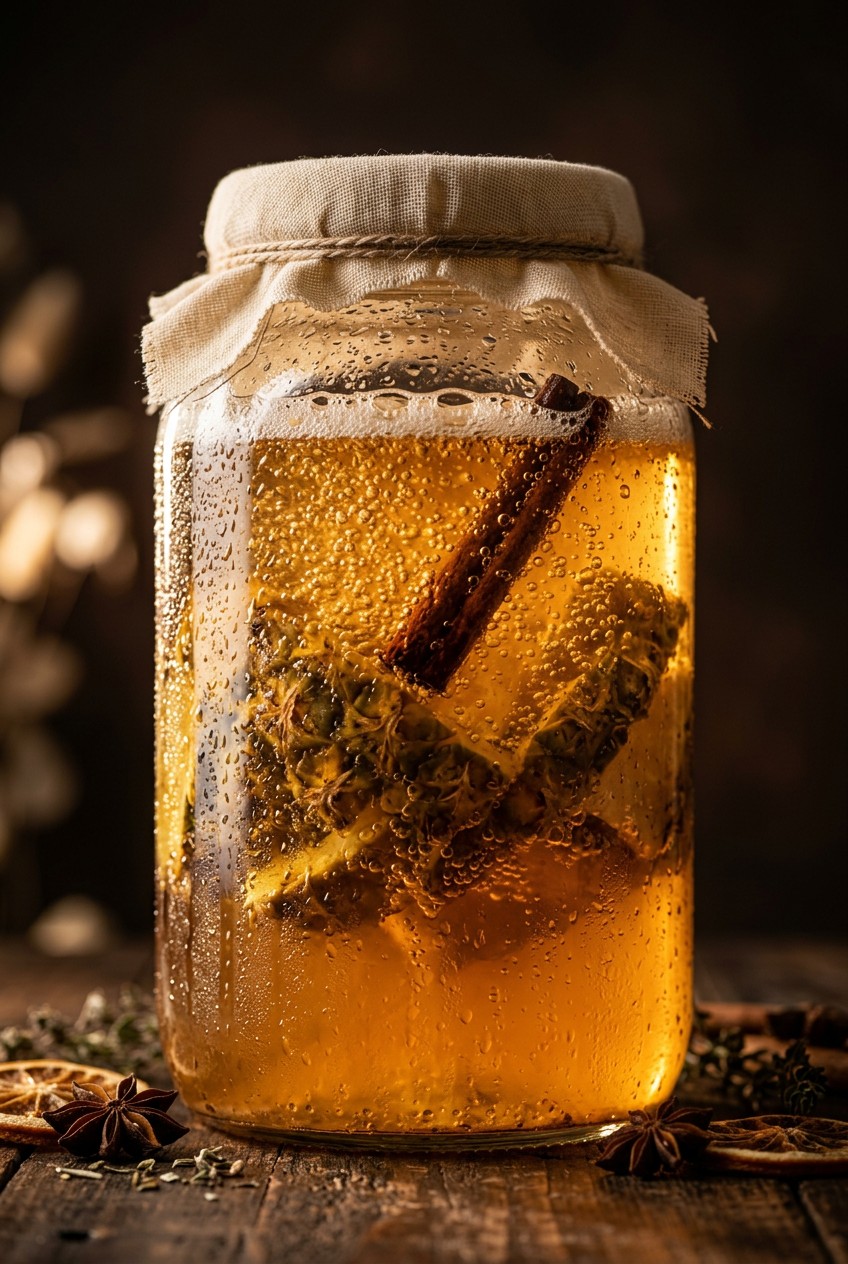
When is tepache ready? Usually after 2 to 4 days at room temperature. Start tasting at 48 hours. It is ready when it smells like fresh pineapple, tastes sweet-tart with a gentle tang, and small bubbles rise around the fruit. A cool kitchen needs an extra day, and a warm one may be ready in 2.
When should you bottle tepache? Strain it as soon as it tastes the way you like it. For a fizzier drink, bottle it right then and leave it on the counter for 12 to 24 hours, then move it to the fridge. For a still drink, strain and chill it straight away. Open bottles over a sink, since the fizz keeps building. It also makes a cozy fall batch. Warm a glass gently with the cinnamon and cloves for a spiced pineapple cider feel.
How long does tepache last in the fridge? It tastes best within a few days and holds up to about a week. It keeps fermenting slowly in the cold, so it gets tangier each day.
How do you store tepache? Strain out the fruit, pour it into clean glass bottles, and refrigerate. A loose cap keeps it mild, and a tight cap builds more fizz.
Tepache not bubbling? Give it more time and a warmer spot (68 to 75°F), stir it, and check that you used filtered water and a ripe pineapple with the rind on. Our guide to tepache not bubbling covers it step by step.
White mold on top of tepache? A thin, flat, cloudy white film is usually kahm yeast. Fuzzy, raised, dry, or colored (white, green, black) patches are mold, and the batch should go. Keeping the fruit pressed under the liquid helps prevent both. See tepache mold vs kahm yeast .
How do you know if tepache is bad? Fuzzy mold, slime, or a rotten or nail-polish smell means toss it. Fruity, tangy, lightly fizzy tepache is right. If it just tastes sharp like vinegar, it fermented too long. Mix it into a drink or use it in a salad dressing.
The Story Behind It
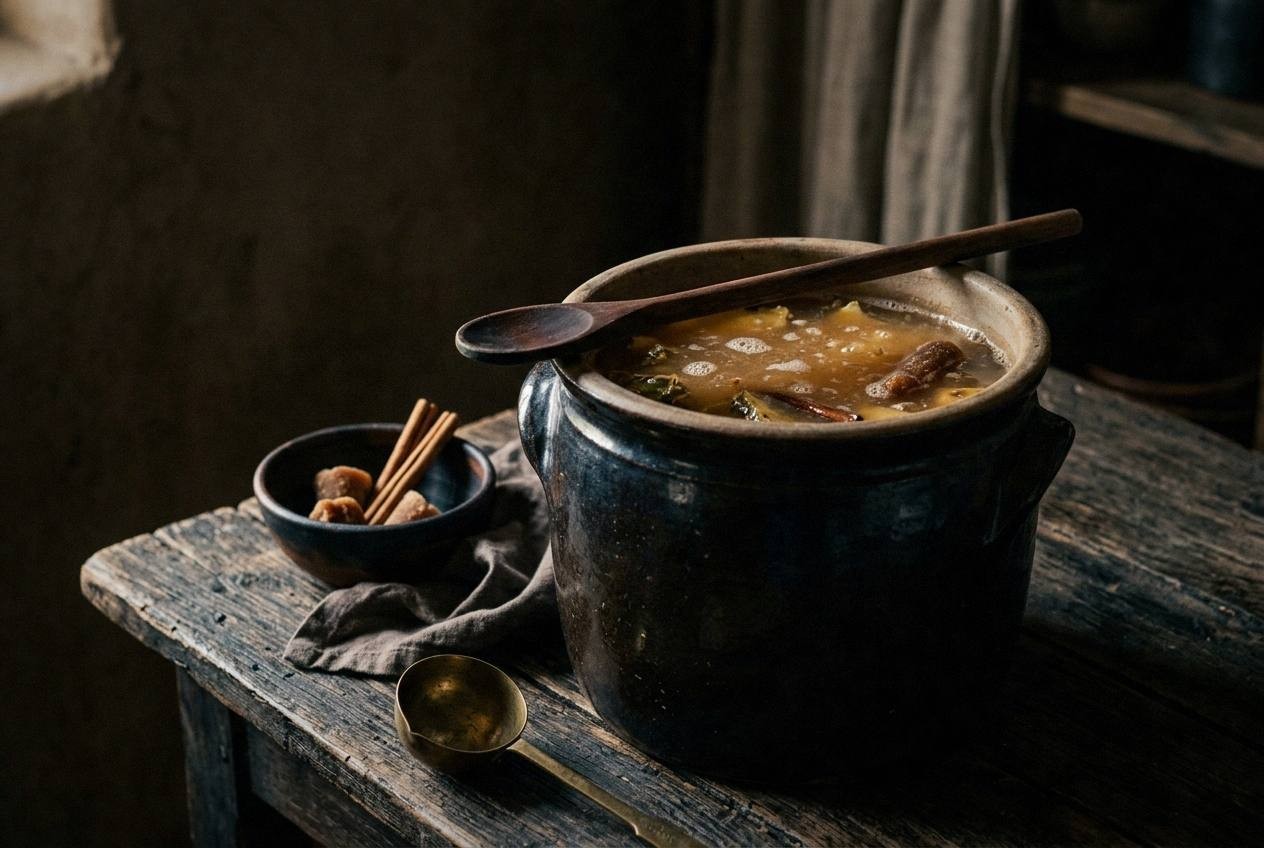
Walk through any mercado in Mexico and you will find tepache sold by the cupful, sometimes from enormous clay pots called ollas. Families have made this fermented drink for generations, turning piloncillo (unrefined whole cane sugar), pineapple scraps, and pantry spices into something alive and delicious. It is thrifty cooking at its best, with nothing wasted.
What You Will Need
For the Base:
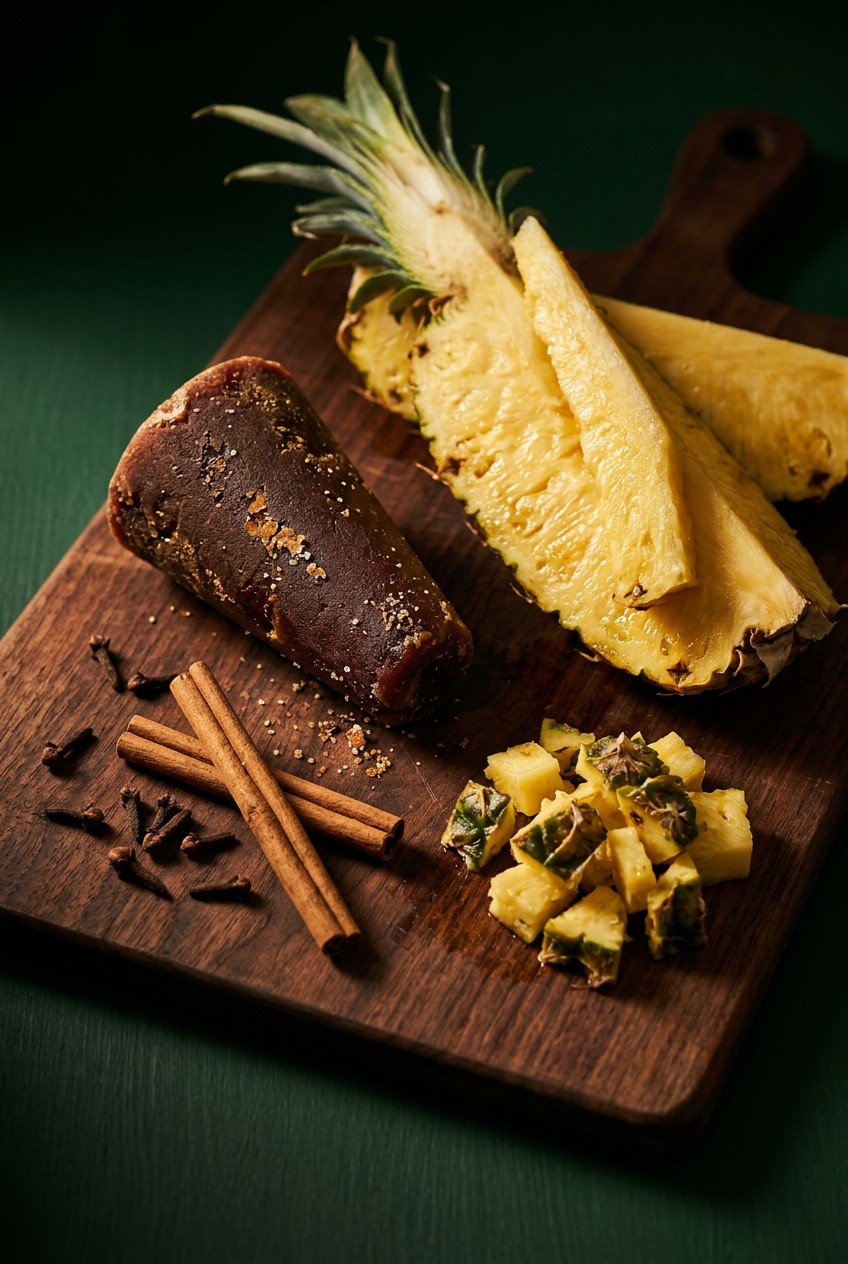
- Rinds and core from 1 large ripe pineapple (about 4 cups chopped)
- 8 cups filtered water (chlorine will inhibit fermentation)
- 1 cup piloncillo, chopped (or 3/4 cup brown sugar)
- 2 cinnamon sticks
- 4 whole cloves
Equipment:
- Large glass jar or non-reactive container (half-gallon or larger)
- Cheesecloth or clean kitchen towel
- Fine-mesh strainer
How to Make It
Rinse the pineapple thoroughly under cool water. Scrub the skin gently to remove any dirt or residue. Cut away the rinds and core, leaving a bit of fruit clinging to the rinds for natural yeast and sugars.
Chop the rinds and core into rough chunks. Place them in your glass jar.
Add the piloncillo, cinnamon sticks, and cloves. Pour in the filtered water until everything is submerged.
Stir well to begin dissolving the piloncillo. Cover the jar with cheesecloth or a clean towel secured with a rubber band. You want airflow, not a sealed lid.
Let the jar sit at room temperature (68-75°F is ideal) away from direct sunlight. Stir once daily.
After 24 hours, you will see tiny bubbles forming. By day two or three, the tepache will smell fruity and slightly yeasty. Taste it. When it reaches a balance of sweet and tangy with gentle effervescence, it is ready. This usually takes 2 to 4 days depending on temperature.
Strain out the solids through a fine-mesh strainer. Compost the spent rinds. Transfer the liquid to bottles and refrigerate. Drink within a week for best flavor and probiotic activity.
Tepache Fermentation Timeline
Use smell, bubbles, and taste together. Temperature matters more than the calendar: a warm kitchen moves fast, while a cool kitchen may need another day.
Mix the jar
Pineapple rinds, water, piloncillo, cinnamon, and cloves go in. Cover with cloth so air can move.
Look for bubbles
Small bubbles around the fruit mean fermentation has started. Stir once and keep the fruit submerged.
Start tasting
This is the sweet spot for most kitchens: fruity, lightly sour, and gently fizzy.
Stop or bottle
If it tastes sharp or vinegary, strain and chill. For more fizz, bottle 12-24 hours, then refrigerate.
Herbalist Notes
Bromelain and Digestion: Pineapple contains bromelain, a proteolytic enzyme that aids protein digestion. Most bromelain lives in the core and stem, but some remains in the rinds. Fermentation doesn’t destroy it entirely, though heat will.
Probiotics vs. Kombucha : Tepache ferments faster than kombucha and relies on wild yeasts and lactic acid bacteria already on the pineapple skin. Its probiotic profile differs from kombucha’s SCOBY-driven fermentation, but both support gut health through live cultures and organic acids.
Piloncillo Matters: Unrefined cane sugar like piloncillo brings trace minerals and a deeper molasses note than white sugar, and it gives the fermentation more to work with. Brown sugar works, but piloncillo is traditional and worth finding at Latin markets.
Fermentation Time: Warmer kitchens speed fermentation, and cooler rooms slow it. Taste daily after 48 hours. Over-fermented tepache turns vinegary and loses its gentle sweetness. Under-fermented tepache tastes flat and overly sweet.
Tepache Troubleshooting
For deeper timing help, use the day-by-day guide to how long to ferment tepache . If the jar stays quiet, use tepache not bubbling before you restart. If a white film appears, compare tepache mold vs kahm yeast before tasting. If you want the finished drink to taste lighter, read can you make tepache without sugar before changing the sugar in the jar.
How long should you ferment tepache?
Most batches take 2 to 4 days at room temperature. Start tasting after 48 hours. Tepache is ready when it smells like fresh pineapple, tastes sweet-tart instead of sugary, and shows light bubbles around the fruit. If your kitchen is above 75°F, check it sooner. If your kitchen is below 68°F, give it another day.
How much sugar do you need for tepache?
Use 1 cup chopped piloncillo for 8 cups water, or about 3/4 cup packed brown sugar if piloncillo is not available. The sugar feeds fermentation and balances pineapple acidity. You can reduce it slightly, but don’t remove it entirely. Without enough sugar, the tepache may taste flat and build little fizz.
Can you make tepache without sugar?
Not really. Pineapple has natural sugar, but tepache needs added sugar for a reliable ferment. For a lighter drink, ferment the normal recipe, strain it, chill it, and dilute each serving with sparkling water. The ferment stays healthy and the finished glass is less sweet.
How long is tepache good for?
Refrigerated tepache is best within about a week. It keeps fermenting slowly in the fridge, so pressure can build in sealed bottles. Open bottles carefully, especially after a second fermentation for extra fizz.
Is tepache safe?
Tepache is safe when it smells fruity, tastes tangy, and has light foam or bubbles. Throw it out if you see fuzzy mold, black or green patches, or slime, or if it smells rotten instead of like fermented pineapple. Use clean jars, scrub the pineapple well, keep the fruit submerged, and never seal the first ferment with an airtight lid.
Make It Your Own
For a second fermentation with more fizz, bottle the strained tepache with a small piece of fresh pineapple or a pinch of sugar. Cap tightly and leave at room temperature for 12 to 24 hours, then refrigerate. Burp the bottles daily to prevent over-carbonation.
Add heat with a slice of fresh jalapeño during the initial ferment, since the capsaicin balances the fruit’s sweetness. Or try ginger root for a warming, digestive boost.
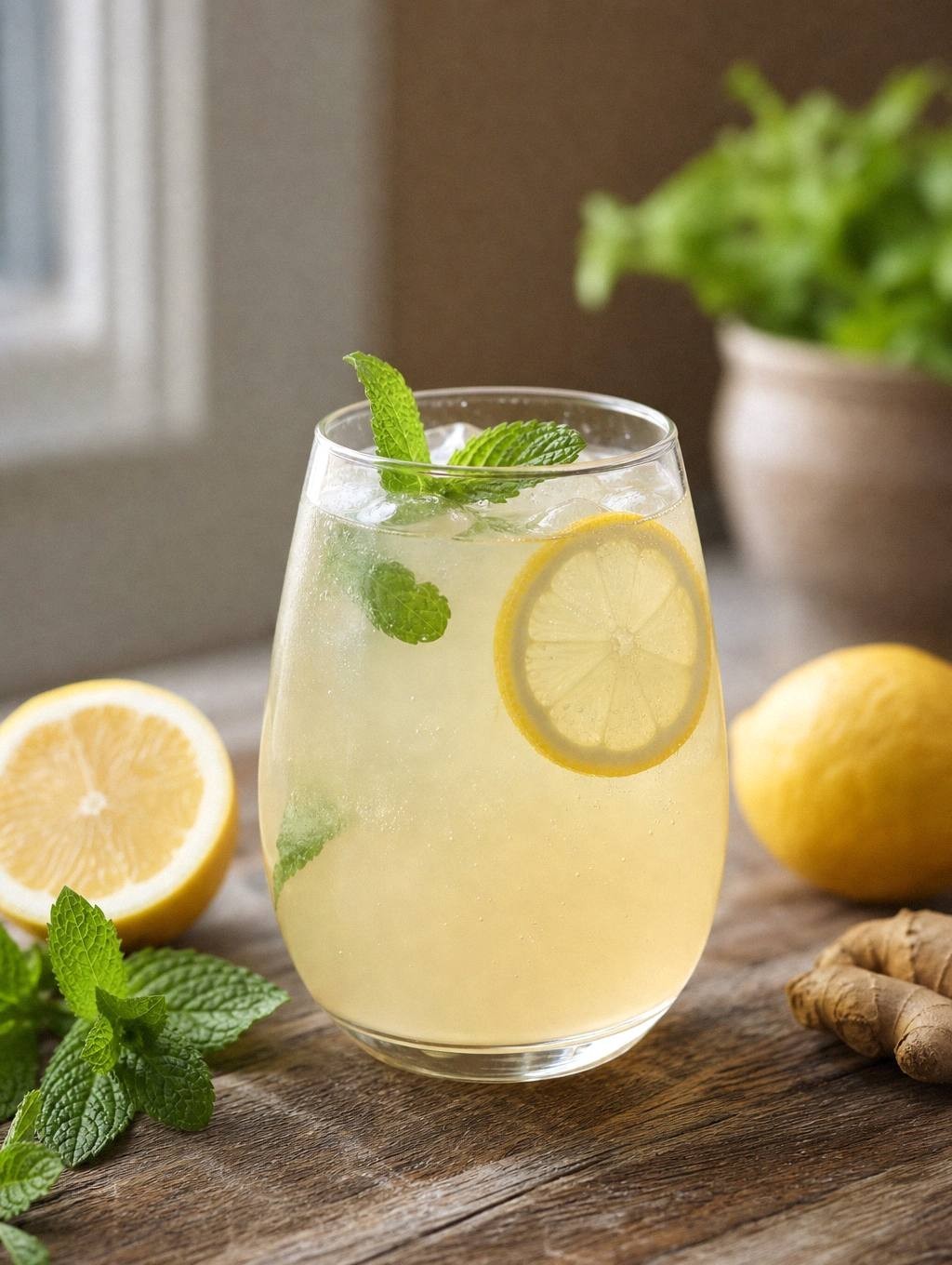
Serve over ice with a squeeze of lime and a sprig of mint . Mix it half-and-half with sparkling water for a lighter sipper. It also works as a base for alcohol-free cocktails that need depth and gentle acidity.

Common Questions
Does tepache contain alcohol?
A small amount, yes. Home batches aren’t measured, and Food & Wine puts typical tepache at around 2 to 3 percent alcohol. The longer it ferments, the more sugar the wild yeasts convert to alcohol. If you bottle it for a second fermentation, the alcohol can tick up slightly as carbonation builds. It’s not much, but it’s not zero either.
Can you reuse the pineapple rinds for a second batch of tepache?
The spent rinds have given up most of their wild yeasts and natural sugars by the end of the first ferment, so a second batch from the same scraps ferments weakly and tastes thin. Start fresh with new rinds each time. To speed up the next batch, save a half cup of finished tepache as a starter liquid, the way you would with kombucha or ginger beer.
What does tepache taste like?
Fresh, lightly tart, and warmly spiced. The pineapple stays bright and tropical, not cooked or processed. The piloncillo adds a subtle molasses depth that white sugar can’t match, and the cinnamon and cloves give it a slightly holiday feel. The fizz is a soft one, not sharp carbonation. Overall it is lighter, fruitier, and less sour than kombucha.
How do you make tepache less sweet?
Two options. First, ferment it longer. An extra 12 to 24 hours at room temperature gives the wild yeasts more time to consume the sugar, so the drink turns drier and tangier. Second, dilute each serving with sparkling water when you pour it. Cutting it 50/50 cuts the sweetness in half while keeping the flavor and adding fizz. Don’t cut the sugar in the jar by much, because the fermentation depends on it.
How long does tepache last in the refrigerator?
Refrigerated tepache is best within about a week of straining. The cold slows fermentation dramatically but doesn’t stop it, so the drink keeps souring slowly. Sealed bottles build pressure as they sit, especially if you bottled it while fermentation was still active. Open them carefully over the sink.
For a fuller storage guide, see how long does tepache last .