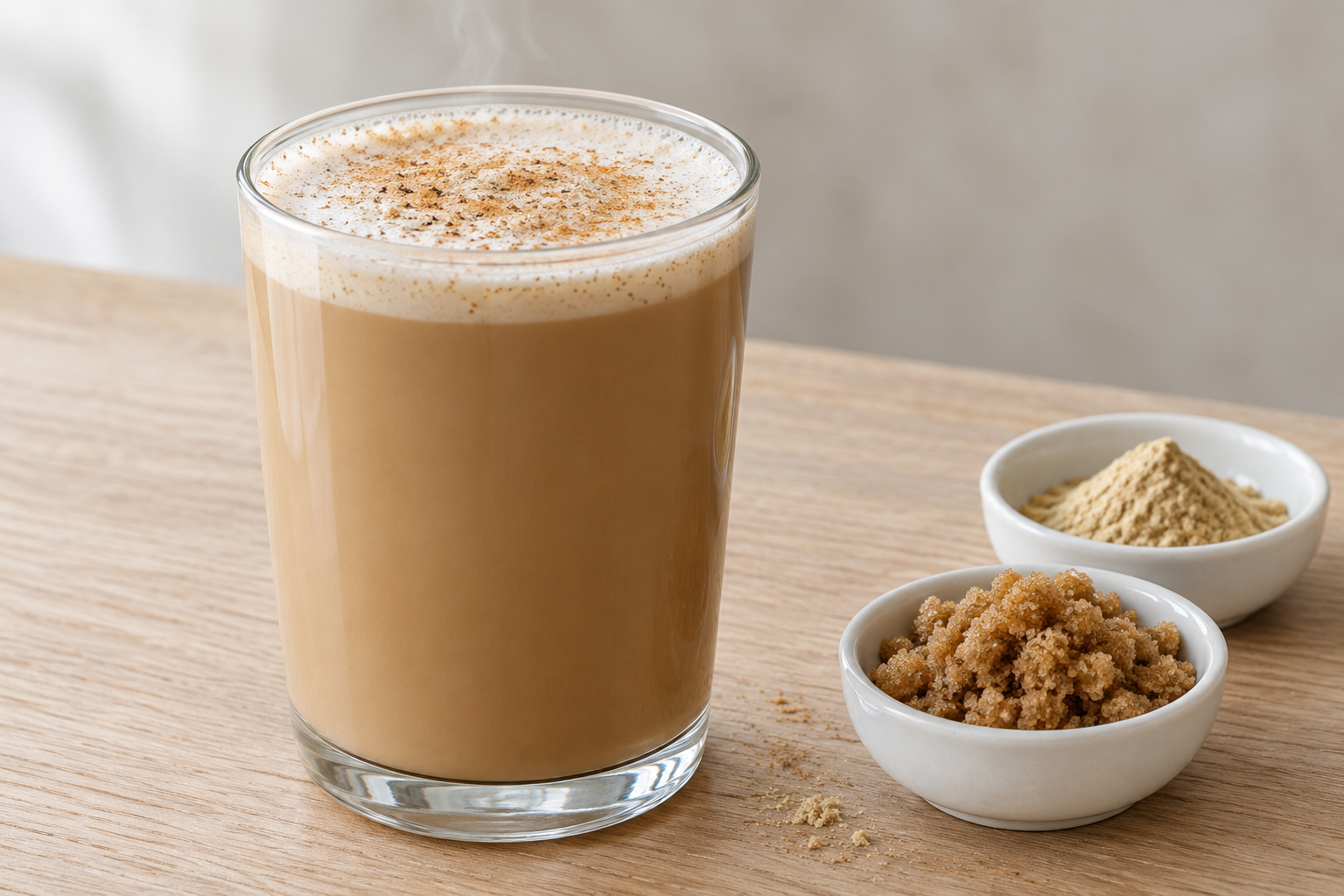

Thai iced coffee tastes nothing like the iced latte you grab at a coffee shop. It’s darker, sweeter, and carries a roasted grain flavor that regular coffee never has. That’s because oliang powder isn’t just coffee, it’s a blend of dark-roasted coffee, roasted corn, and sometimes soybeans, brewed strong and sweetened with both condensed milk and sugar. The result is a drink that’s creamy, bold, and just slightly bitter underneath all that sweetness.
What Makes Thai Coffee Different

Oliang powder is the heart of this drink, and it’s not something you can fake with Starbucks beans. The mix contains dark-roasted coffee plus roasted corn and soybeans, which add a toasted, almost nutty depth that straight coffee can’t replicate. Some older recipes included tamarind seeds, though most modern blends skip them.
The roast level is darker than what most Western coffee drinkers are used to. That extra roasting time brings out bitter, caramelized notes that hold up against the sweetness of condensed milk and sugar. Without that dark base, the drink tastes thin and one-dimensional.
You’ll find oliang powder in Asian grocery stores, usually in the coffee aisle near instant mixes. Look for brands like Pantai or Doi Chaang. The powder is fine and dark brown, almost black, and smells intensely roasted. If your store doesn’t carry it, online Thai grocery suppliers stock it year-round.
Equipment You Need

Traditional Thai coffee is brewed in a cloth filter bag called a tungdtom, which looks like a sock on a wire frame. The cloth traps the fine grounds while letting the oils through, giving the coffee a heavier body than paper-filtered coffee. You don’t need one to make good oliang at home, though.
A French press works well because it steeps the grounds and filters them in one step. A pour-over cone with a paper filter also works, though the coffee will be slightly lighter in body. If you have a cloth filter, use it, the texture is noticeably richer.
You’ll also need a tall glass for serving, a spoon for stirring, and enough ice to fill the glass completely. Crushed ice melts faster and dilutes the coffee more evenly, but cubes work fine if that’s what you have.
Ingredients

- 3 Tbsp Thai coffee powder
- 3/4 cup of off-the-boil water
- 2 Tbsp sweetened condensed milk
- 2 tsp sugar, or to taste
- Pinch of salt
- A lot of ice
- 2-3 Tbsp (30-) evaporated milk, or to taste
- 16 oz serving glass completely
Instructions
- Combine the coffee with hot water and let it steep for 5 minutes. You can do this inside a cloth filter bag set in your mixing jug, in a French press, or directly in the mixing jug if you’ll filter it through a dripper later.
- In a mixing glass, combine the condensed milk, sugar, and salt.
- When the coffee is ready, strain it and pour it into the mixing glass.
- Stir to dissolve the condensed milk and sugar. Taste the coffee and adjust the sweetness as needed, but keep in mind it should taste a little too dark and a little too sweet at this point since the ice will dilute it later. You can hold the coffee at this stage until you’re ready to serve.
- When you’re ready to serve, fill a 16 oz serving glass completely with ice, then pour the coffee over the ice.
- Drizzle the evaporated milk on top and watch the beautiful cascade. Mix the evaporated milk in before drinking. Feel free to add more evaporated milk to adjust the creaminess to your liking.
Why the Brewing Method Matters
Steeping the coffee for 5 minutes extracts the full range of flavors from the oliang powder without pulling harsh, over-extracted bitterness. The corn and soybeans in the mix need time to release their roasted, nutty notes, and a quick pour-over doesn’t give them that chance.
Off-the-boil water means water that has just finished boiling and sits for about 30 seconds. It’s hot enough to extract the coffee oils and roasted grain flavors but not so hot that it scorches the grounds and turns the brew acrid. If you pour boiling water directly onto the coffee, you’ll get a sharper, more astringent cup.
The pinch of salt isn’t optional. Salt suppresses bitterness and makes the sweet and roasted flavors taste more pronounced. You won’t taste the salt itself, but you’ll notice the coffee tastes smoother and less harsh without it.
Adjusting Sweetness for Your Taste
Thai iced coffee is traditionally very sweet, sweeter than most Western coffee drinks. The recipe above lands in the middle of the range, but you can adjust it. Start with 2 teaspoons of sugar and 2 tablespoons each of condensed and evaporated milk, then taste the coffee before you add ice.
If it tastes too bitter or strong, add another teaspoon of sugar or another tablespoon of condensed milk. If it’s too sweet, cut the sugar to 1 teaspoon or skip it entirely and rely on the condensed milk alone. The coffee should taste slightly too intense before you pour it over ice, since the melting ice will dilute it by about a third.
Evaporated milk adds creaminess without much sweetness, so you can increase it to 3 or 4 tablespoons if you want a milkier drink without making it cloying. Some people skip the evaporated milk entirely and just use condensed milk, which makes the drink sweeter and less creamy.
Common Problems and How to Fix Them
- Coffee tastes weak or watery: You didn’t steep it long enough, or you used too much water. Steep for the full 5 minutes and measure the water, 3/4 cup is the right ratio for 3 tablespoons of coffee powder.
- Coffee tastes harsh or burnt: The water was too hot, or you steeped it longer than 5 minutes. Let the water cool for 30 seconds after boiling, and don’t let the grounds sit in the water past 5 minutes.
- Drink is too diluted: You didn’t make the coffee strong enough before adding ice, or the ice melted too fast. The brewed coffee should taste too strong and sweet on its own. Use more ice and drink it right after pouring.
- Condensed milk won’t dissolve: The coffee wasn’t hot enough when you added it. Stir the condensed milk into the hot coffee before you add ice, not after.
- Evaporated milk sinks instead of cascading: You poured it too fast or stirred the coffee right before adding it. Drizzle the evaporated milk slowly over the back of a spoon held just above the coffee surface.
Make-Ahead and Storage
You can brew a larger batch of the coffee base and store it in the fridge for up to 3 days. Multiply the coffee powder and water by however many servings you want, steep it all together, then strain and mix in the sugar, condensed milk, and salt while the coffee is still hot. Let it cool, then refrigerate it in a sealed container.
When you’re ready to serve, pour the cold coffee concentrate over ice and add the evaporated milk. The concentrate will be thick and syrupy, so you may need to stir it before pouring. Don’t add the evaporated milk to the concentrate before storing it, since the milk can separate and develop an off flavor after a day or two.
If you’re making coffee for a group, brew the concentrate the night before and keep it in a pitcher in the fridge. Set out the evaporated milk, extra sugar, and ice so people can adjust their own drinks. A batch made with 1 cup of coffee powder and 4 cups of water will make about 8 servings.
FAQ
What is oliang made of?
Oliang is a blend of dark-roasted coffee, roasted corn, and sometimes roasted soybeans. The corn and soybeans add a toasted, nutty flavor that straight coffee doesn’t have. Some older recipes included tamarind seeds, but most modern mixes don’t.
Can I use regular coffee instead of Thai coffee mix?
You can, but it won’t taste like oliang. Regular dark-roast coffee will give you a strong iced coffee, but you’ll miss the roasted grain flavor that makes Thai coffee distinctive. If you can’t find oliang powder, use the darkest roast you can find and add a little extra sugar to compensate for the missing sweetness from the corn.
Where can I buy oliang powder?
Asian grocery stores usually stock it in the coffee aisle, often near instant coffee mixes. Look for brands like Pantai or Doi Chaang. If your local store doesn’t carry it, online Thai grocery suppliers and Amazon have it year-round.
What is the difference between oliang and gafae yen?
Oliang is the coffee itself, the brewed drink made from Thai coffee powder. Gafae yen is oliang served iced with sweetened condensed milk and evaporated milk, which is the most common way Thai people drink it. The recipe above makes gafae yen.
Do I need a special filter to make Thai coffee?
No. A traditional cloth filter gives you a heavier body, but a French press or pour-over cone works fine. The cloth filter traps fine grounds while letting oils through, which makes the coffee richer, but the difference isn’t dramatic enough to buy special equipment if you don’t already have it.
What does Thai iced coffee taste like?
It’s darker and more roasted than Western iced coffee, with a toasted grain flavor from the corn and soybeans in the mix. The sweetness is pronounced, more like a dessert drink than a morning coffee, and the evaporated milk adds a creamy, slightly caramelized note. It’s bold, sweet, and heavier in body than a typical iced latte .
Serving and Variations
Serve Thai iced coffee right after you pour it over ice, while the evaporated milk is still cascading through the drink. The layered look is part of the appeal, though you’ll want to stir it before drinking so every sip has the same balance of coffee, sweetness, and cream.
If you want a less sweet version, skip the sugar and use only the condensed milk for sweetness. For a richer drink, increase the evaporated milk to 4 tablespoons and cut the condensed milk to 1 tablespoon. Some people add a dash of almond extract or vanilla extract to the coffee before pouring it over ice, which gives it a slightly floral note.
You can also serve the coffee hot by skipping the ice and evaporated milk. Combine the brewed coffee with the sugar, condensed milk, and salt, stir until dissolved, and drink it while it’s still hot. This version is called gafae rawn, and it’s common in Thailand during cooler months.