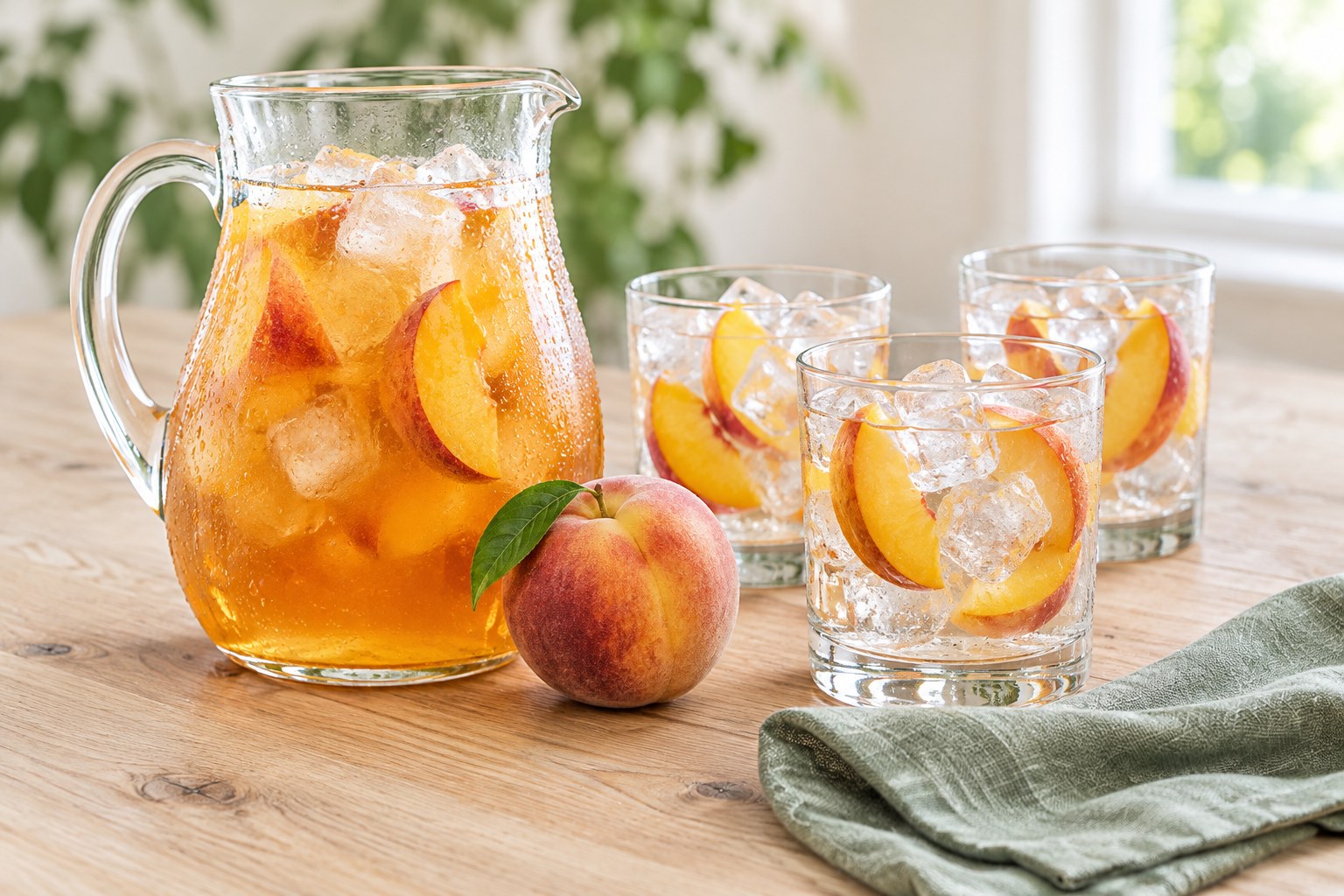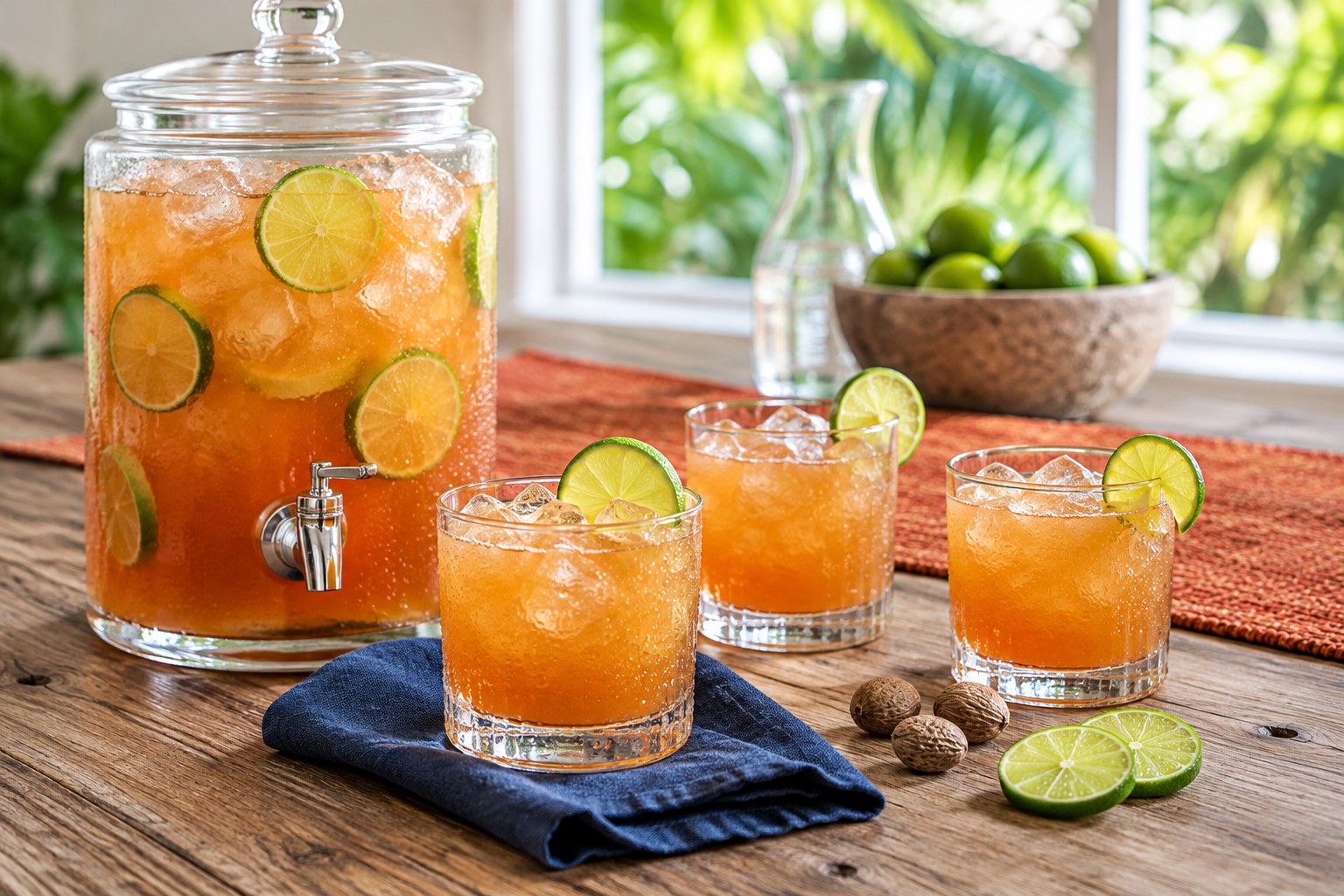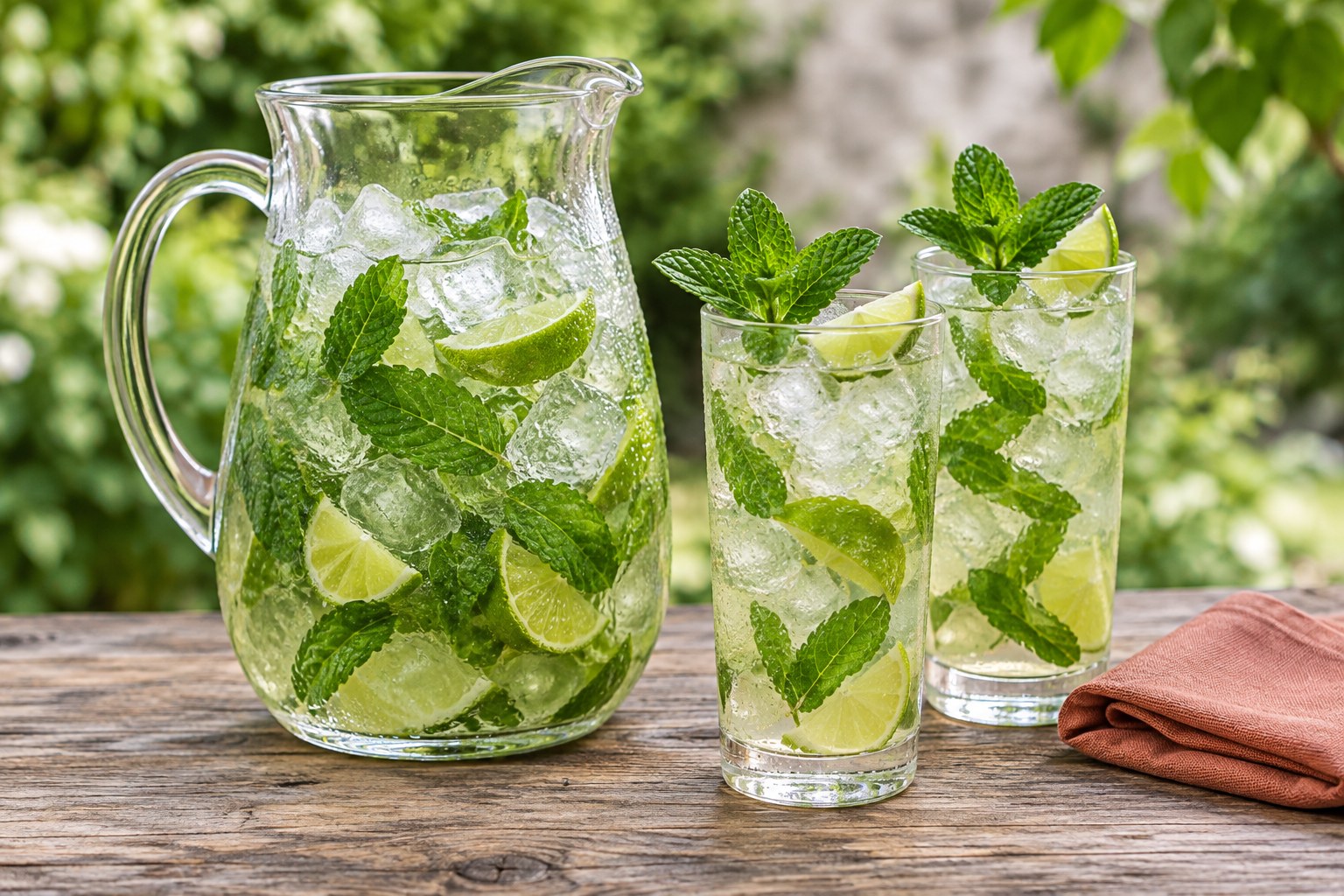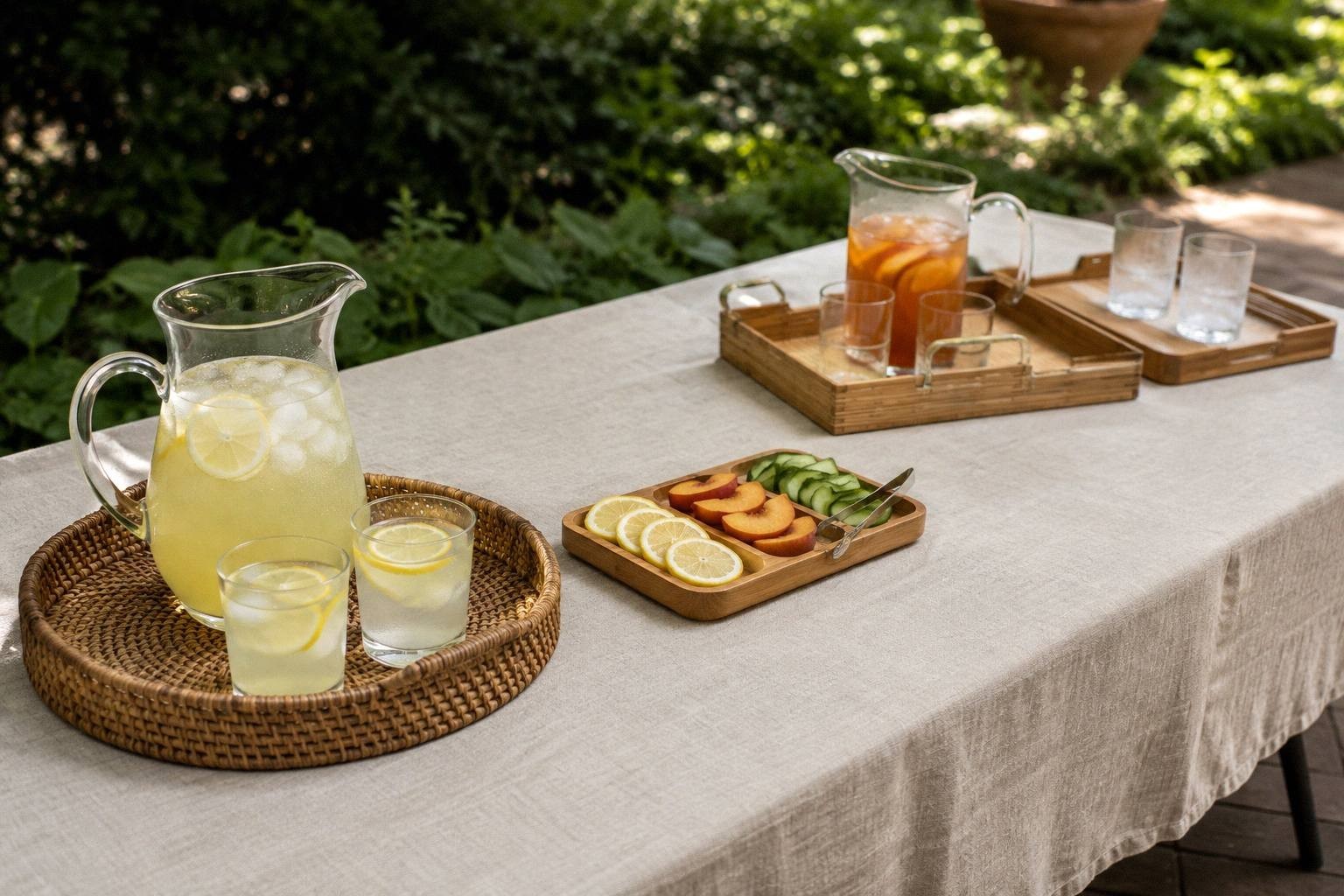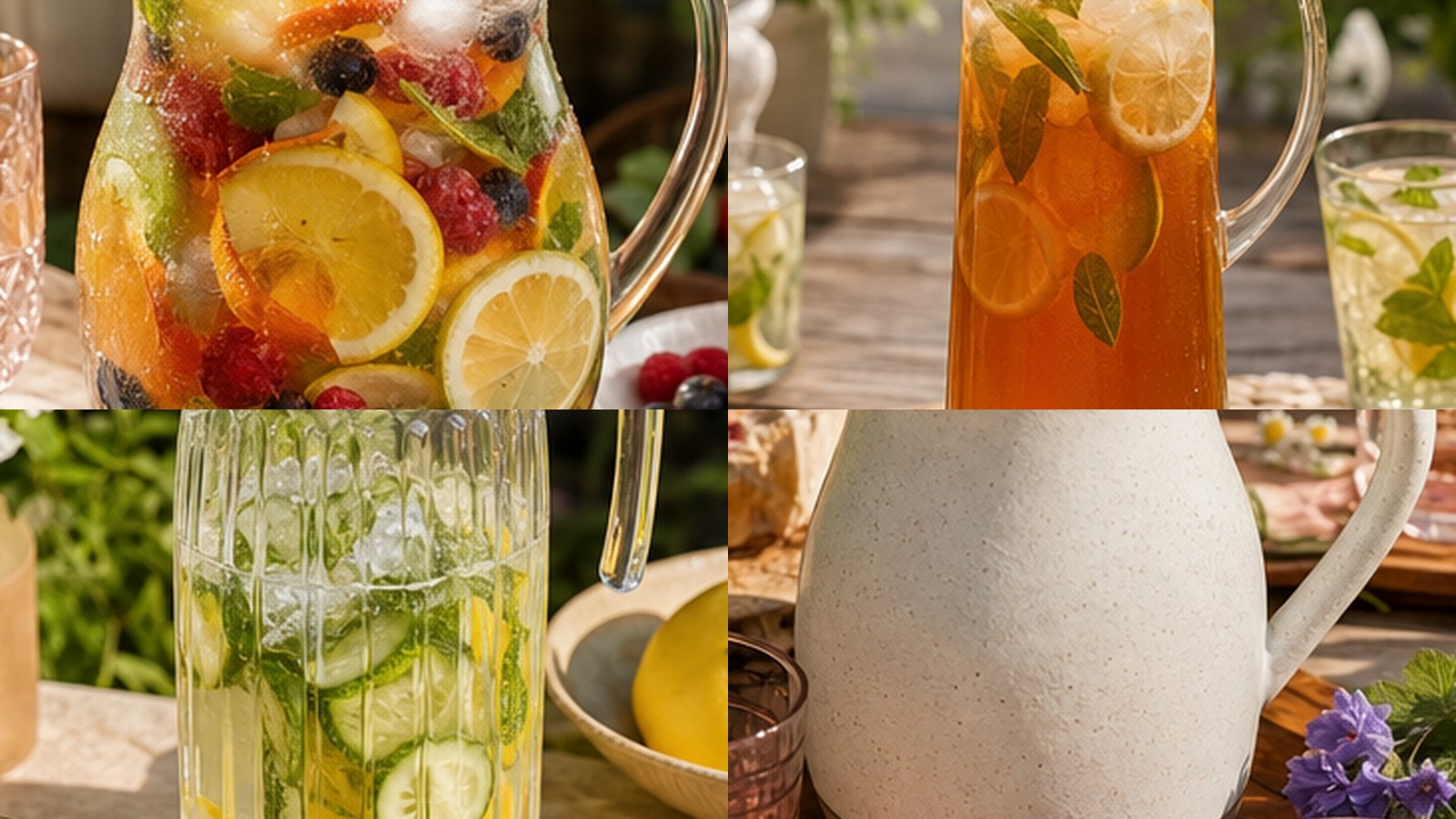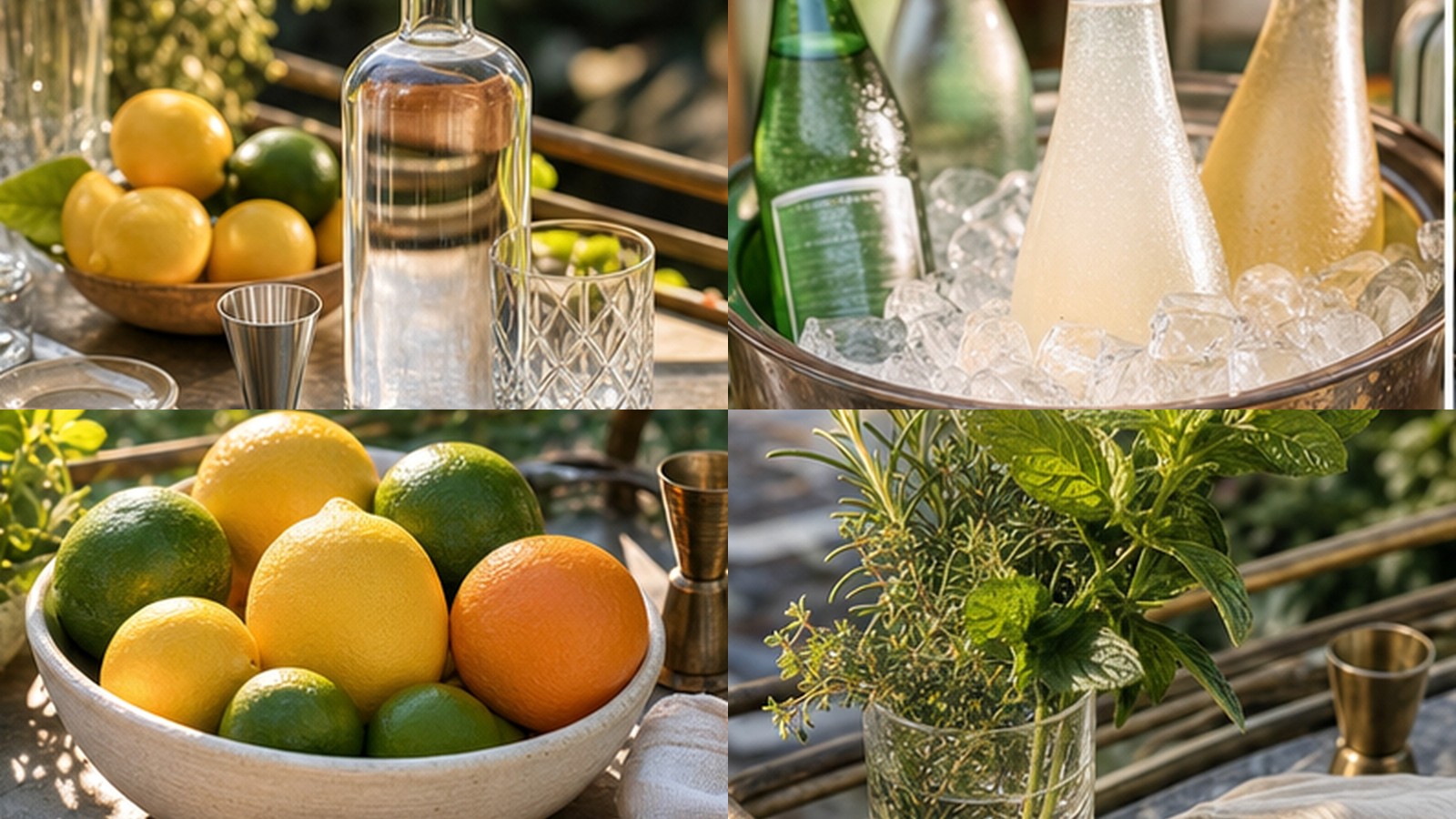
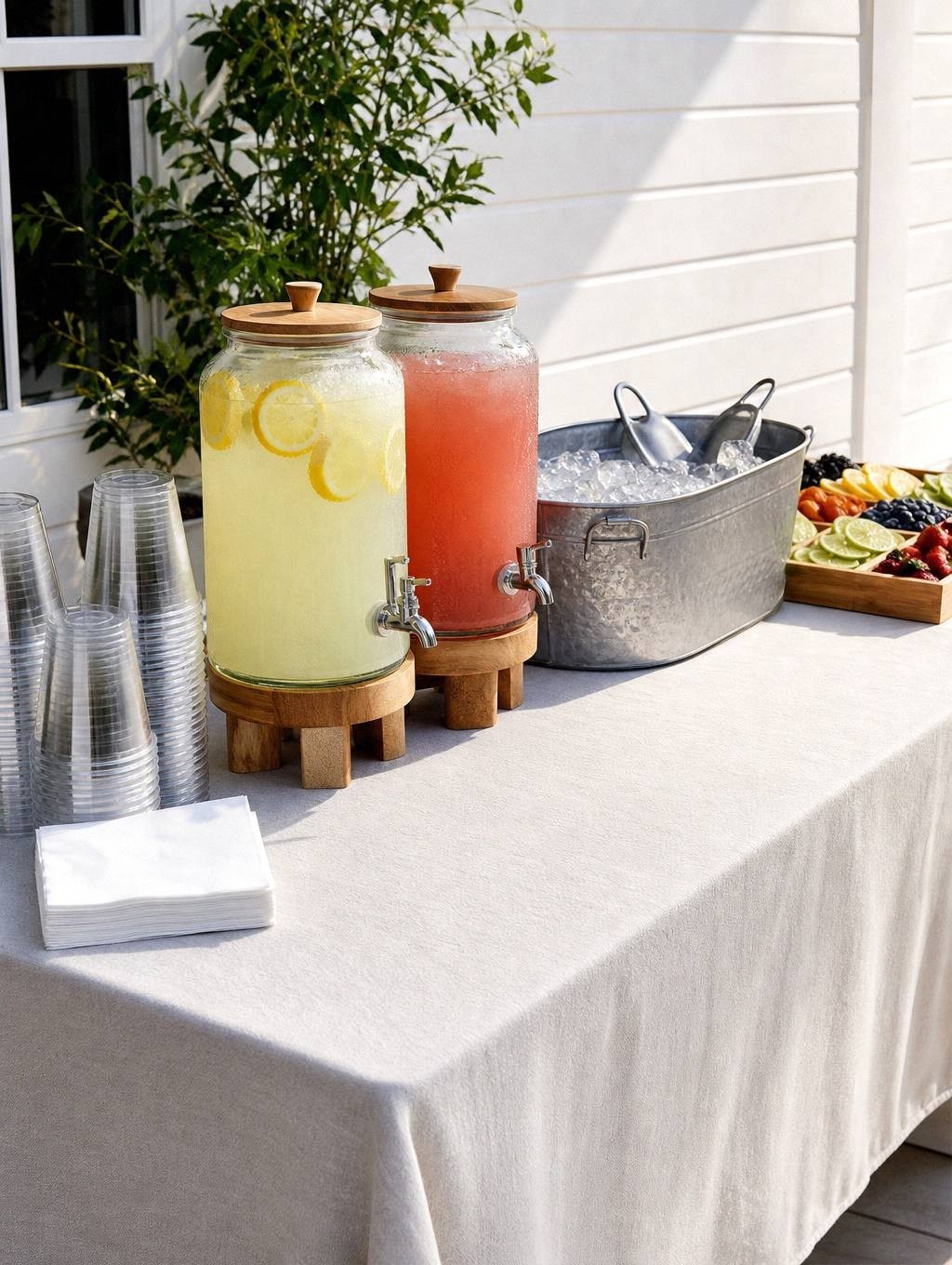
A drink station works best when guests can see what is available and serve themselves without asking you to mix every glass. For cold drinks served over ice, put cups first, then ice, the drink base or labeled mixers, and garnishes. Keep water within easy reach and label alcoholic add-ins clearly. For hot drinks, leave ice out of the serving line.
A small drink station for a low-key housewarming
Use the end of a kitchen counter or a sideboard guests pass on the way to the living room. Leave the entryway free for coats and keep snacks on a different surface so the person pouring a drink has elbow room.
| Spot on the counter | What goes there |
|---|---|
| Where guests approach | Cups and a small bucket of drink ice with its own scoop |
| Middle | A pitcher labeled with the drink name and whether it contains alcohol. Set water beside it. |
| Far end | A dish of garnish that goes with the drink, tongs, napkins and room to set a cup down |
Fill a glass yourself before anyone arrives. If the pitcher handle hits the wall or the glass won’t fit under a dispenser spout, move it now. Keep a refill in the fridge so the work surface stays clear. For shelves and narrow counters, see the small-space drink station layouts .
Switch the menu with the season. A hot apple cider bar or Christmas hot chocolate bar uses mugs and toppings. For a cold station, choose a pitcher from the Thanksgiving mocktails or Christmas mocktails .
Core Setup Steps That Work for Any Station Type
Start by choosing a location with enough table space for bottles, glassware, and garnishes to spread out in a single line. A six-foot folding table works for most parties, though a bar cart or kitchen island does the job if you’re tight on space. Position the station away from the main food table so traffic doesn’t bottleneck.
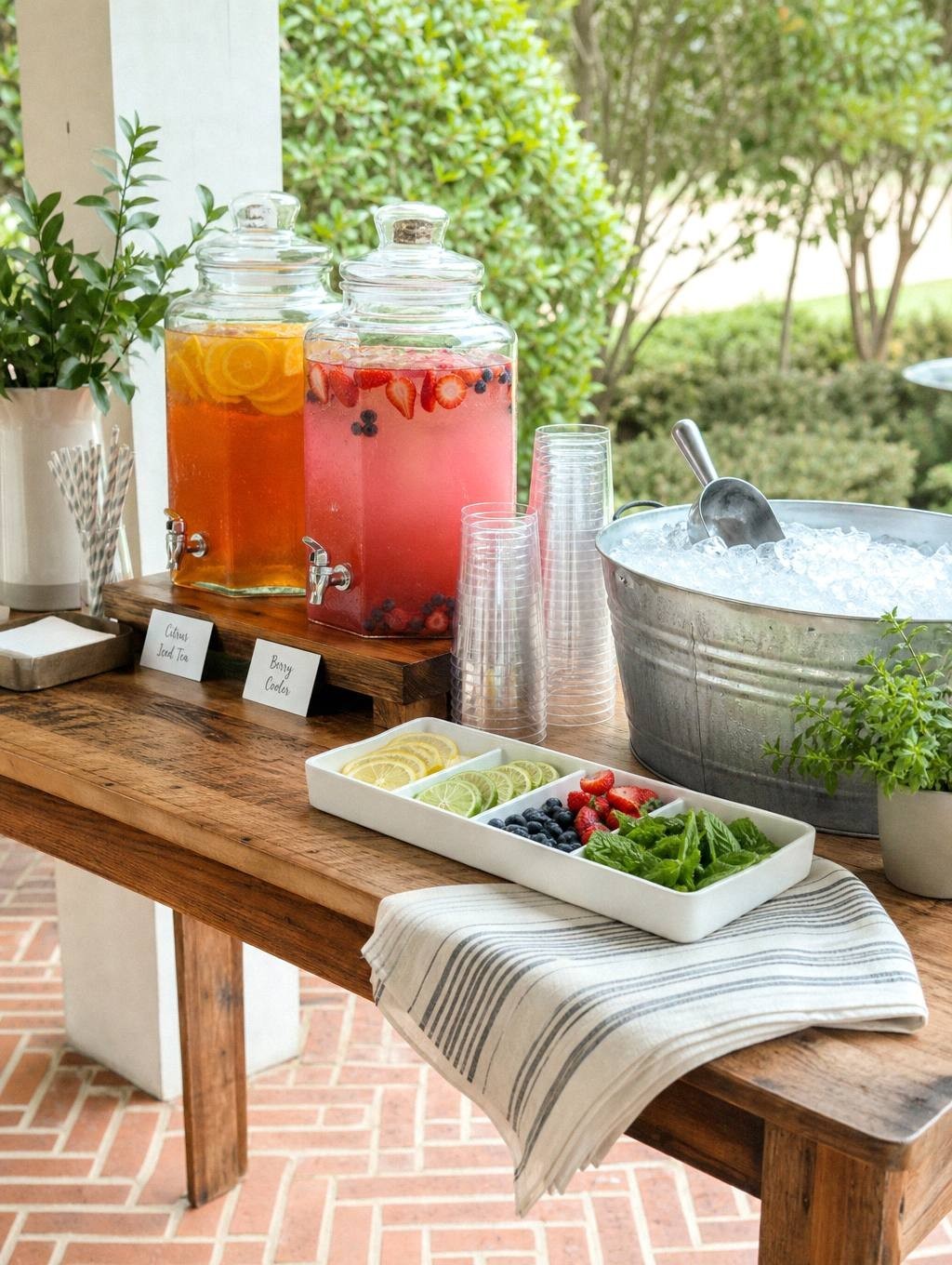
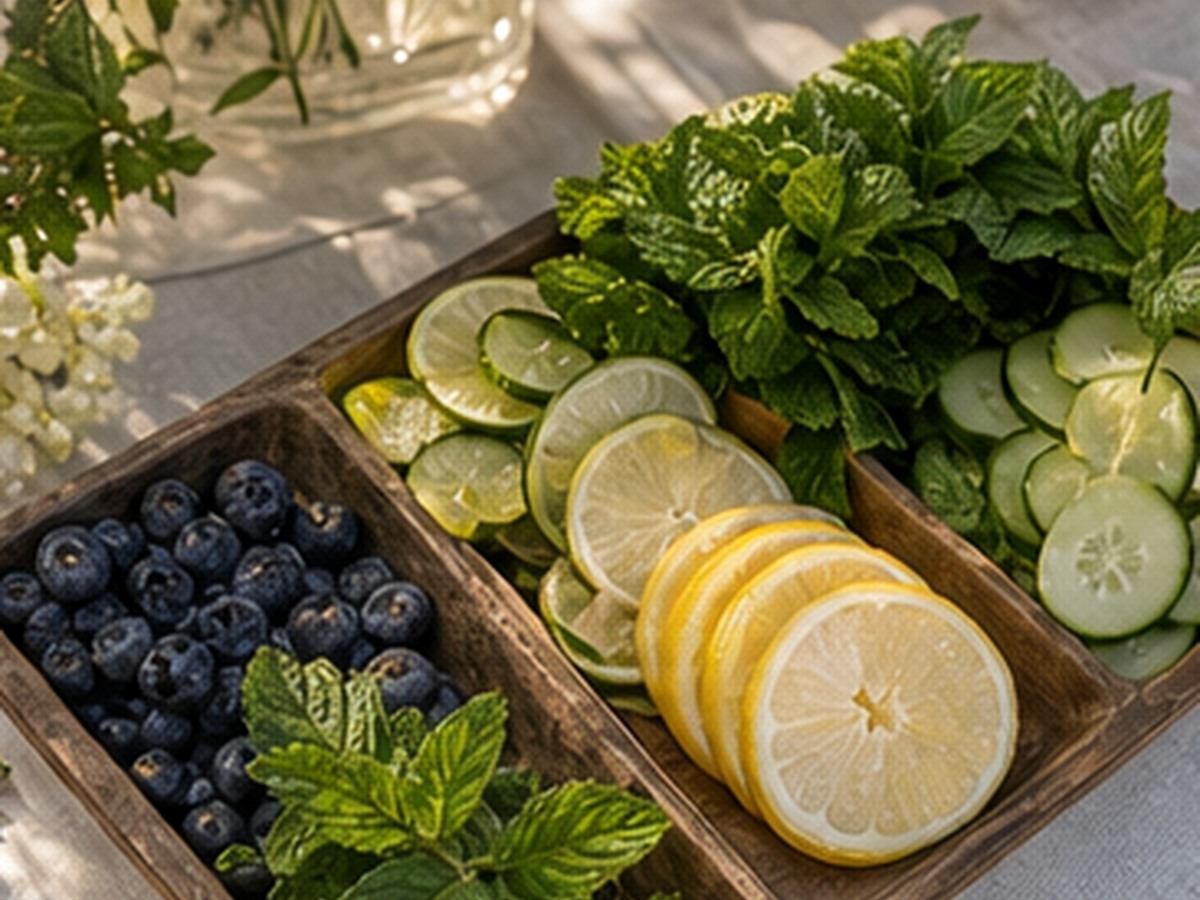
Arrange everything in the order people will use it: glasses first, then ice for cold drinks, then the drink base or labeled mixers, with garnishes and napkins at the end. Put measuring tools beside the bottles they belong to. If you’re deciding what to cut up, this garnish tray guide shows which fruit and herbs to set out first. For hot drinks or drinks served without ice, skip the ice bucket in that line.
Cover the table with a wipeable cloth or butcher paper, because spills are inevitable. Set out a small trash bin for spent citrus peels and cocktail picks. Add a handwritten sign or small chalkboard listing what’s available, especially if you’re offering a signature drink that needs a specific ratio.
Essential Supplies and Equipment Checklist
You’ll need glassware first. Plan on two glasses per person for a three-hour party, because guests set drinks down and forget where they left them. Rocks glasses work for spirits and short cocktails, pint glasses handle beer and tall mixed drinks, and stemless wine glasses cover everything else.
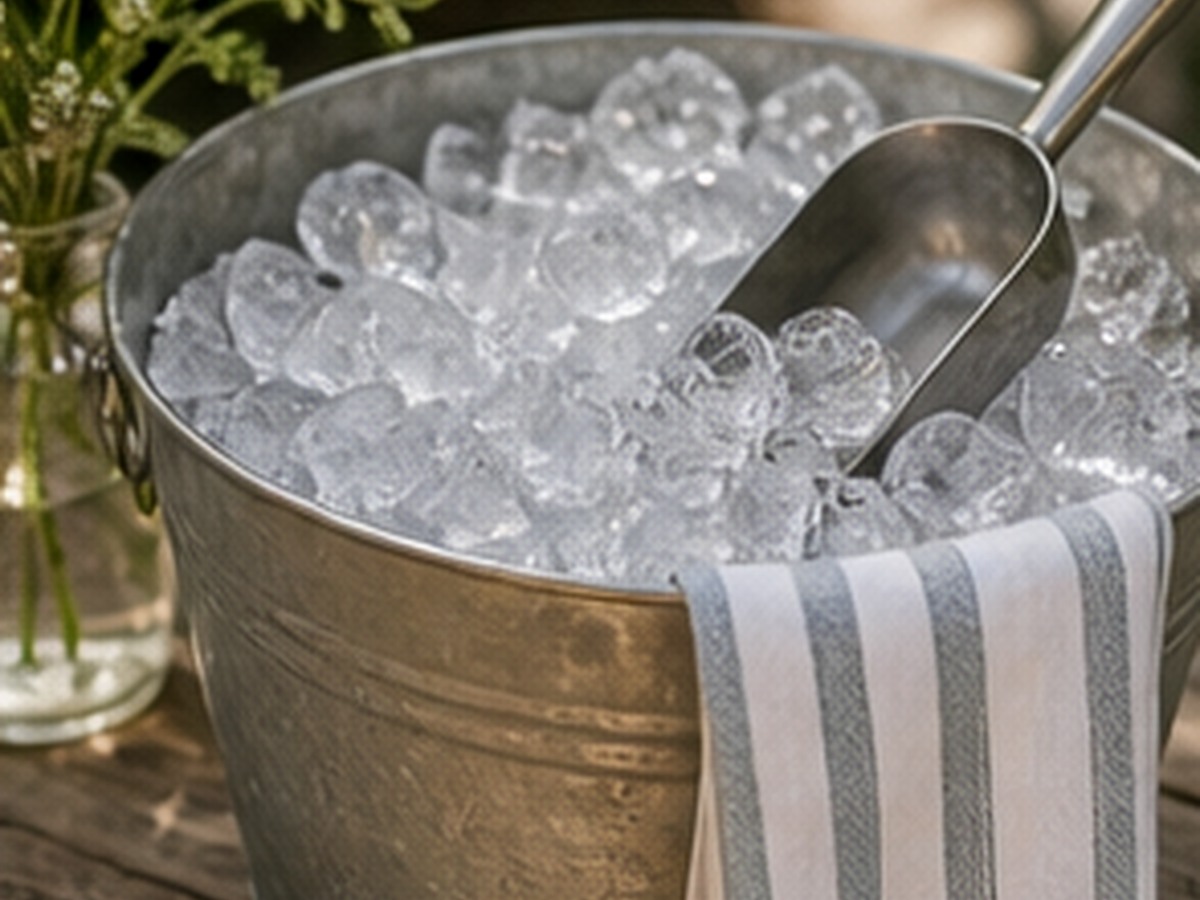
Ice is the thing that runs out first. Figure one pound per person for a three-hour event, and double that if it’s hot outside. A large insulated cooler or beverage tub keeps ice frozen longer than a bowl, and a dedicated scoop keeps hands out of drink ice.
For tools, you need a bottle opener, a corkscrew if you’re serving wine, a small cutting board, a paring knife for citrus, and a jigger if you want to suggest measurements. Napkins go at the end of the line, and you’ll want twice as many as you think.
The Two Station Pieces I’d Buy Before Anything Else
When we set up a self-serve drink table, the number-one mistake to watch out for is dumping ice directly into your punch or lemonade dispenser. Within twenty minutes, the ice melts and turns the bottom half of the batch watery. Instead, chill your drinks ahead of time, serve from twin clear dispensers, and set a lidded insulated ice bucket right beside the glasses.
As an Amazon Associate I earn from qualifying purchases. If you pick up anything through the recommendation below, we may earn a small commission at no extra cost to you.
Best pick if you’re hosting 12+ guests and want one cocktail lane plus one zero-proof lane pouring cleanly at once:
Best pick if you want drink ice to stay solid for hours right beside your glasses without puddling across the tablecloth:
Themed Station Ideas and What Makes Each One Work
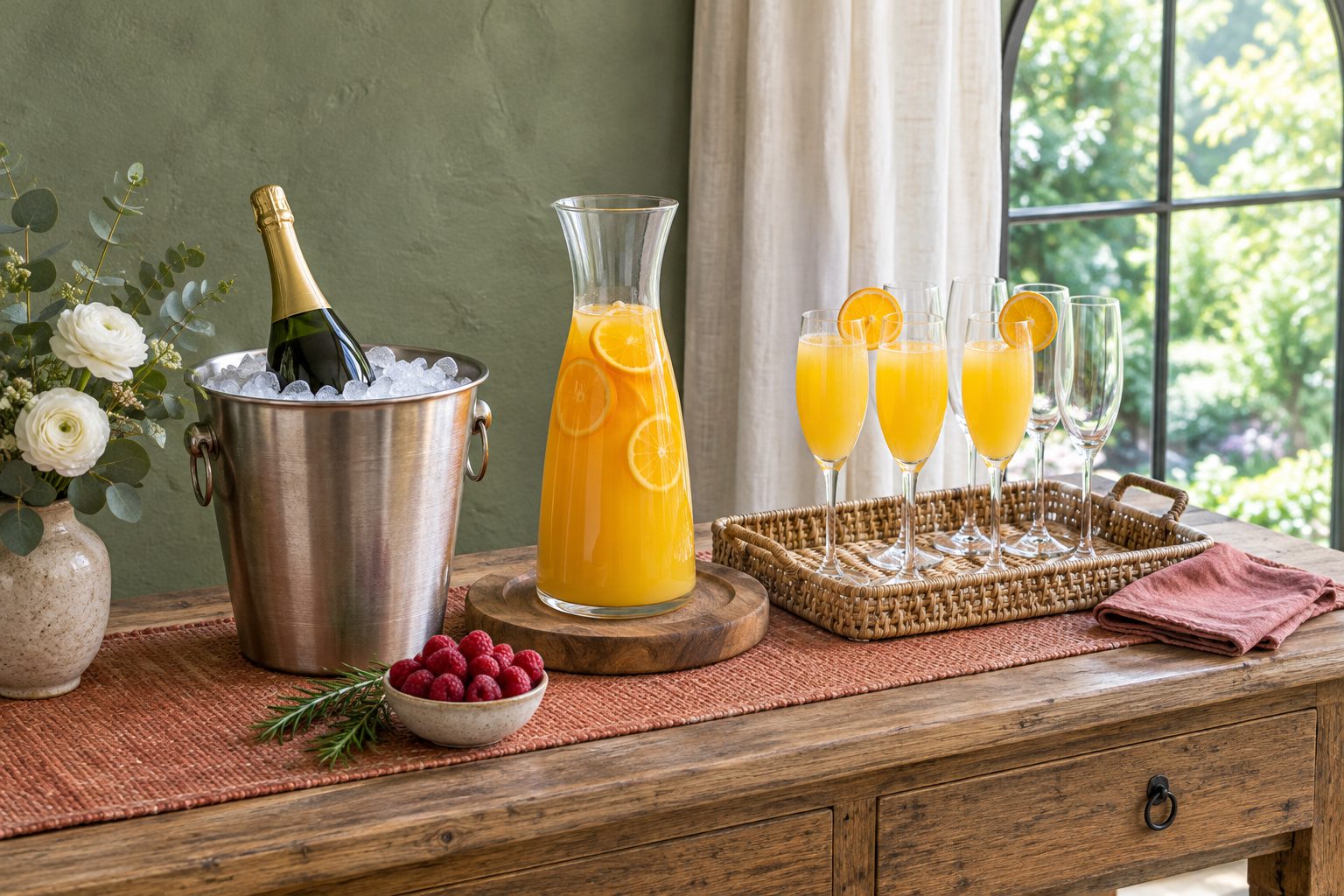
A mimosa bar is the easiest station to set up because it requires almost no mixing. Set out chilled champagne or prosecco, three or four fruit juices in pitchers, and fresh fruit for garnish. Guests pour juice first, top with bubbly, and add a berry or citrus slice.
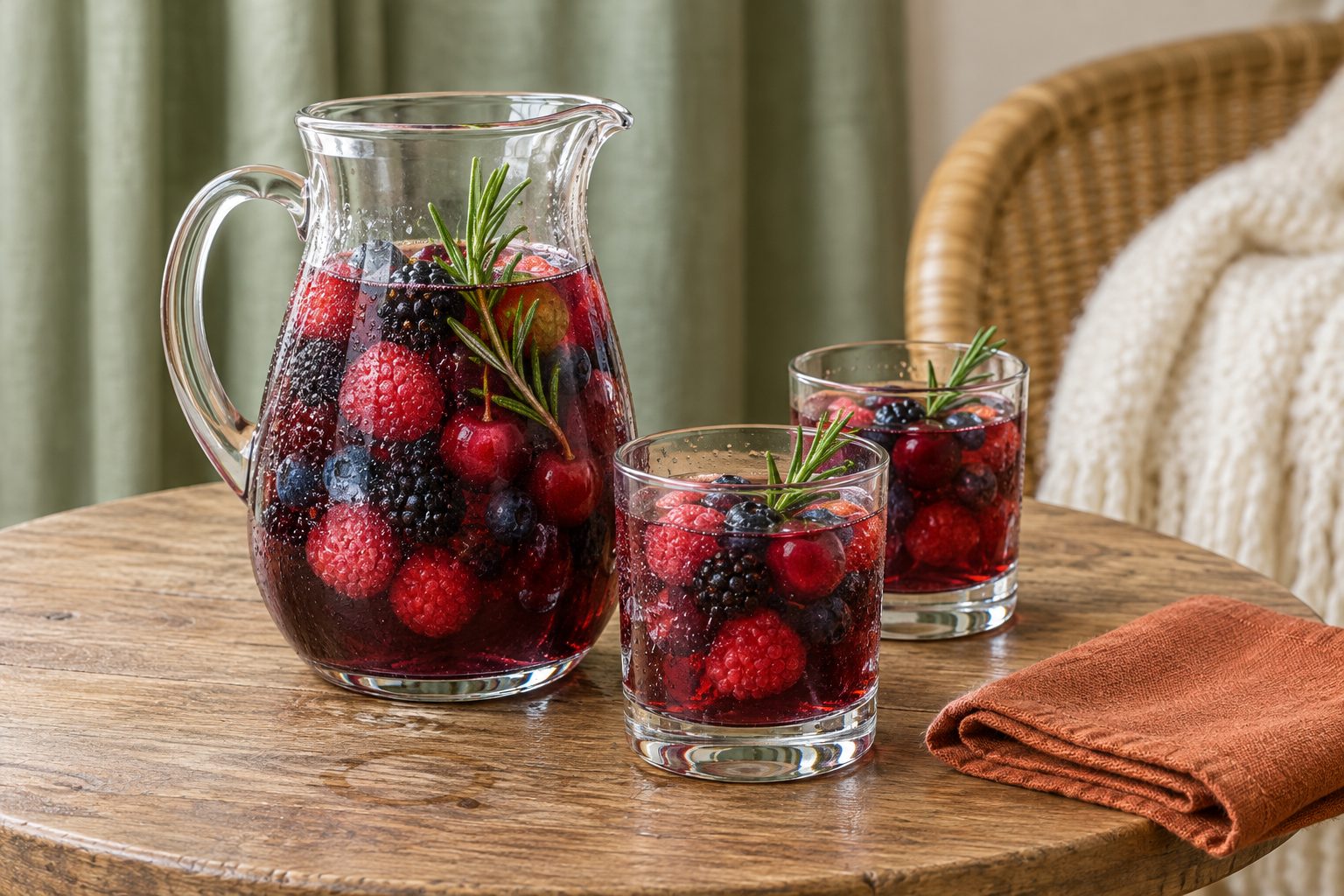
A sangria station works when you want one signature drink that looks impressive but doesn’t require bartending skills. Mix a large batch in a drink dispenser, set out wine glasses, and offer extra fruit slices and fresh herbs like mint or basil for guests to add. The dispenser spigot eliminates the need for a ladle.
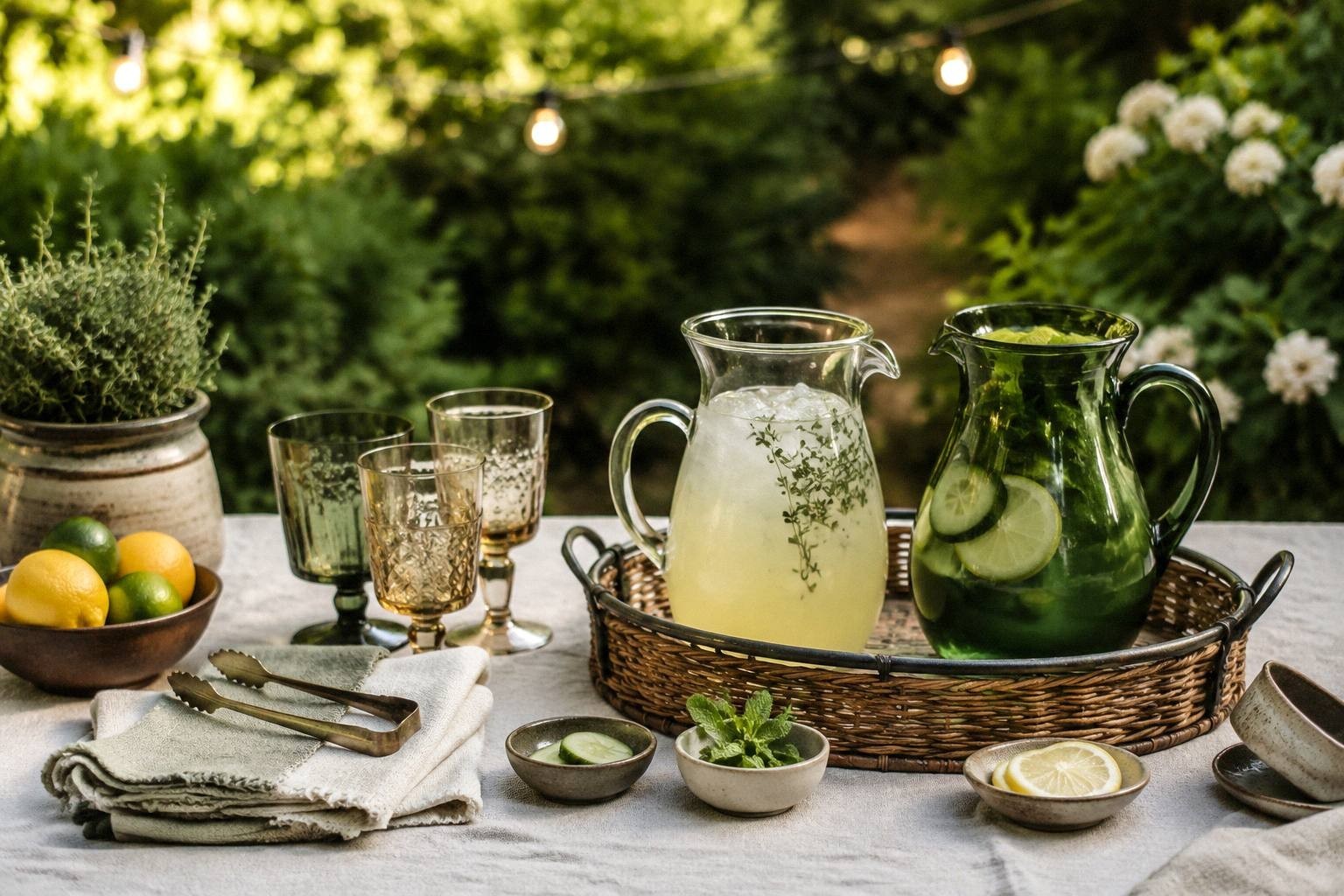
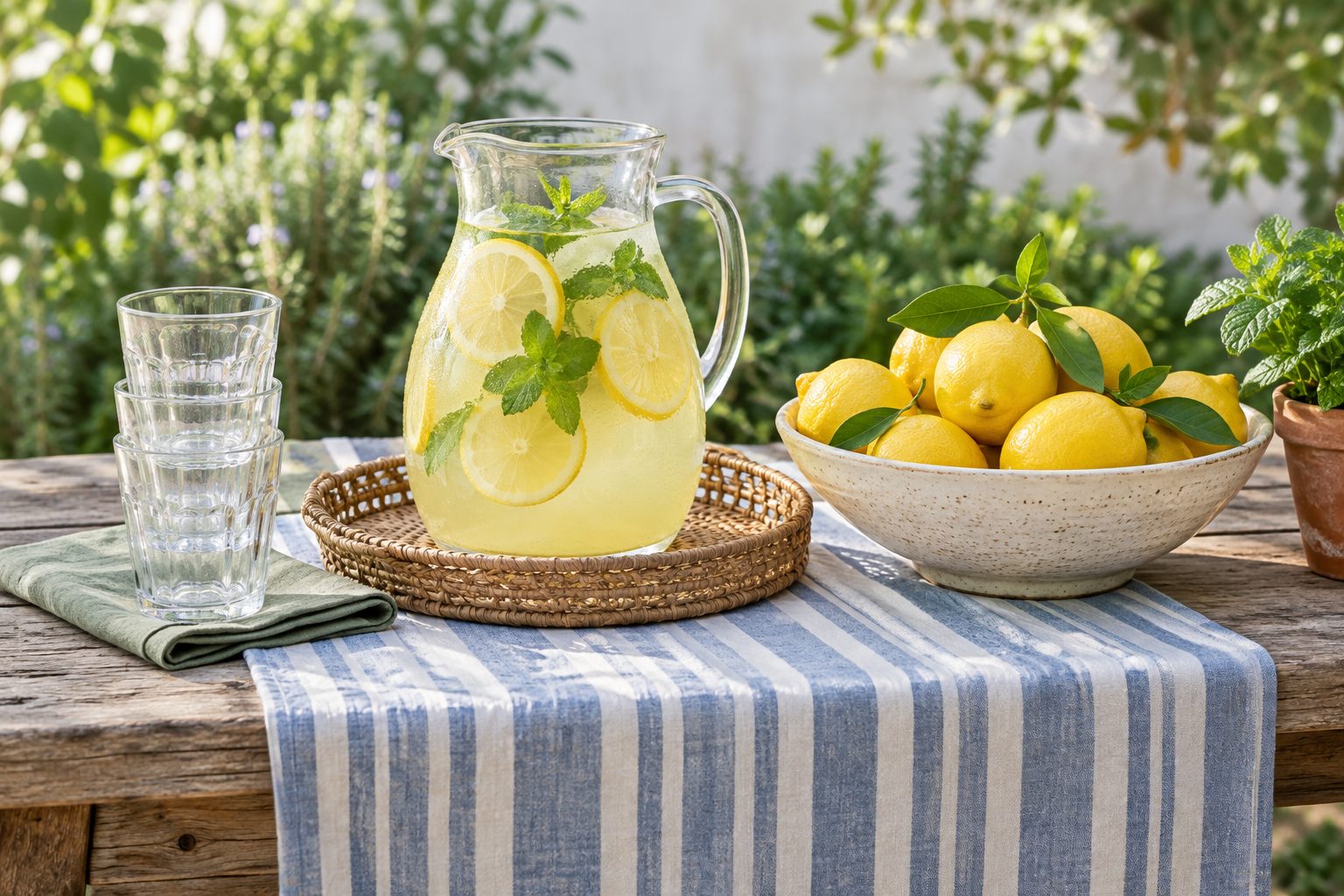
A lemonade bar appeals to all ages and takes the pressure off if you’re hosting a mixed crowd. Set out a large dispenser of fresh lemonade, smaller pitchers of flavored add-ins like strawberry puree or lavender syrup, and a bucket of citrus wheels and herb sprigs. Adults can spike their glass with vodka or gin from a separate bottle.
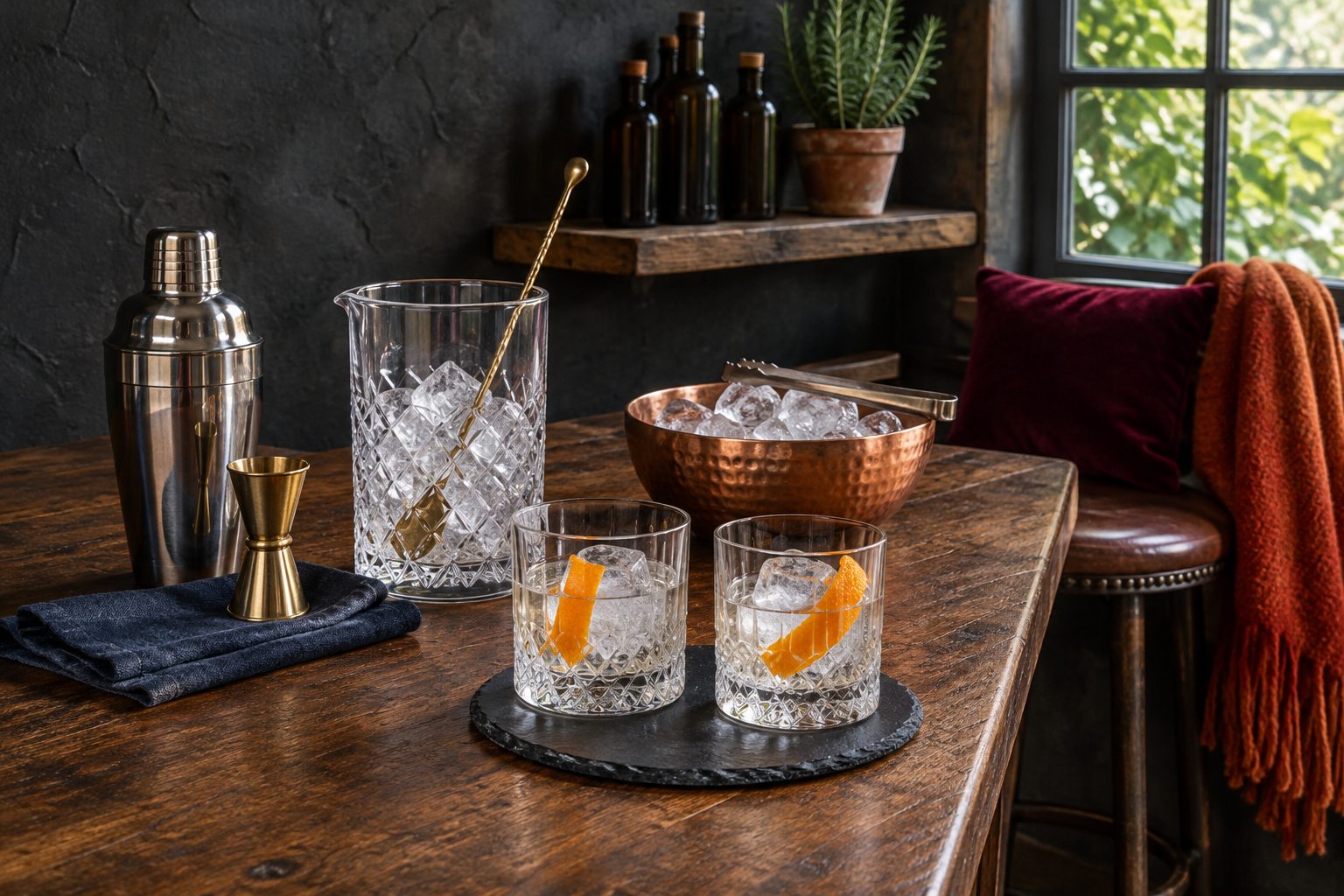
A build-your-own cocktail station gives guests the most control but requires more setup. Offer two or three base spirits, a selection of mixers like tonic, soda, ginger beer, and cranberry juice, and a tray of garnishes. Label each bottle clearly, and consider printing simple recipe cards for classic drinks.
The occasion changes the details more than it changes the structure. The same table becomes a Fourth of July mocktail bar , a Halloween drink station , or a Thanksgiving drink table with its own glassware layout depending on what you set on it. Guest count matters too: a cocktail party table for eight wants a different flow from an open house where people drift past all evening.
Mixer Buying Guide & Food Pairings by Station Theme
Matching the right bottle style and salty or savory snack to your station keeps drinks tasting balanced instead of overly sugary.
| Station Theme | Smart Ingredient / Bottle Choice | What to Skip | Food Pairings That Fit Naturally |
|---|---|---|---|
| Mimosa bar | Dry Brut Cava or Brut Prosecco + cold-pressed pulp-free juice (OJ, blood orange, pineapple) | Sweet Moscato (turns syrupy with fruit juice) | Savory spinach quiche, smoked salmon bagels, flaky croissants |
| Sangria station | Crisp, unoaked dry red (Garnacha/Tempranillo) or Pinot Grigio + chilled seltzer on the side | Heavily oaked Cabernet (clashes with citrus and berries) | Manchego cheese, marinated olives, spiced almonds, crusty bread |
| Lemonade bar | Tart fresh-squeezed or 100% lemon base + 2 small syrup carafes (berry, herb) | Pre-sweetened neon drink powders | Pulled pork sliders, soft pretzels, grilled chicken skewers |
| Build-your-own cocktail bar | 2 versatile spirits (e.g., vodka + gin or bourbon) + small-bottle tonic, club soda, and dry ginger beer | Half-empty 2-liter soda bottles that go flat in 20 minutes | Rosemary roasted nuts, sharp cheddar & crackers, prosciutto melon |
| Coffee & tea bar | Medium-roast drip coffee in thermal carafes + black & herbal teas + whole milk and oat milk on ice | Leaving milk cartons warm on the table | Almond biscotti, butter shortbread, mini cinnamon scones |
How to Plan Quantities for Different Party Sizes
Choose serving size and expected demand explicitly. The following is a house inventory example of three 8-fluid-ounce alcohol-free drinks per guest over a three-hour event, not a consumption target. Keep water available separately and adjust for weather, food, guest preference and refills.
| Guests | 8-fluid-ounce portions | Finished drink volume | Indoor Ice Estimate (3 hrs) | Hot Outdoor Ice Estimate |
|---|---|---|---|---|
| 25 | 75 | 600 fluid ounces / 4.6875 US gallons | 25 lb | 50 lb |
| 50 | 150 | 1,200 fluid ounces / 9.375 US gallons | 50 lb | 100 lb |
| 100 | 300 | 2,400 fluid ounces / 18.75 US gallons | 100 lb | 200 lb |
A US gallon gives sixteen 8-fluid-ounce portions or thirty-two 4-fluid-ounce punch portions before spills and ice dilution. One liter mixer gives eight full 4-fluid-ounce pours with a little extra; count mixer volume separately from total drink volume. A 750 mL bottle gives about sixteen full 1.5-fluid-ounce spirit pours or five full 5-fluid-ounce wine pours; these are volume conversions, not a recommendation to serve every guest several alcoholic drinks. Beer case counts vary; read the package count and container size.
Plan one garnish per chosen portion. For 30 citrus wheels, prepare and count 30 usable slices; fruit size, end cuts and thickness mean four fruits are not a guaranteed yield. The ice starting estimate of 1 pound per guest for three hours, doubled in heat, is a house purchasing estimate that includes service losses, not proof of cold holding. Keep drink ice separate from ice used to chill bottles or containers. For a house vodka-soda card use 1.5 fluid ounces vodka, 4 fluid ounces soda, 1 lime wedge and 1/2 cup drink ice in a 12-fluid-ounce glass. Add ice and vodka, then soda, stir gently and serve immediately. Label this as alcoholic; replace vodka with 1.5 fluid ounces sparkling water for the alcohol-free version.
Display and Styling Principles That Make the Station Look Intentional
Height variation makes a drink station look planned instead of cluttered. Set bottles on a small riser or a stack of books wrapped in kraft paper, and use a tiered stand for garnishes or glassware. This creates visual interest and makes it easier for guests to see what’s available.
Group like items together. All the glassware goes in one spot, all the mixers in another, and garnishes on a single tray or cutting board. This clustering prevents the scattered look that happens when bottles and tools are spread randomly.
Add one or two decorative touches that match your party’s vibe. A small vase of flowers, a string of bistro lights overhead, or a vintage crate to hold bottles adds personality without cluttering the functional space.
Placement does more work than decoration. There is a logic to where everything goes on a self-serve drink table , and most of what reads as mess is a flow problem, which is the whole subject of arranging a party table without clutter .
Outdoor Station Considerations and How to Adapt
Heat is the enemy of ice and chilled drinks, so plan for faster melt times and more frequent refills. Use two ice buckets and rotate them, keeping one in a cooler with a lid while the other sits on the table. Freeze water in large blocks or use reusable ice packs at the bottom of the bucket to slow the melt.
Wind will knock over lightweight items and blow napkins across the yard. Anchor your tablecloth with clips or weights, use heavier glassware instead of plastic cups if the setting allows, and store napkins in a weighted basket or dispenser.
Bugs are drawn to sweet mixers and fruit garnishes, so cover pitchers with a cloth or lid when they’re not actively being poured. Use fitted food-safe covers or a clean screened serving area; exposed decoy fruit is not a reliable insect control.
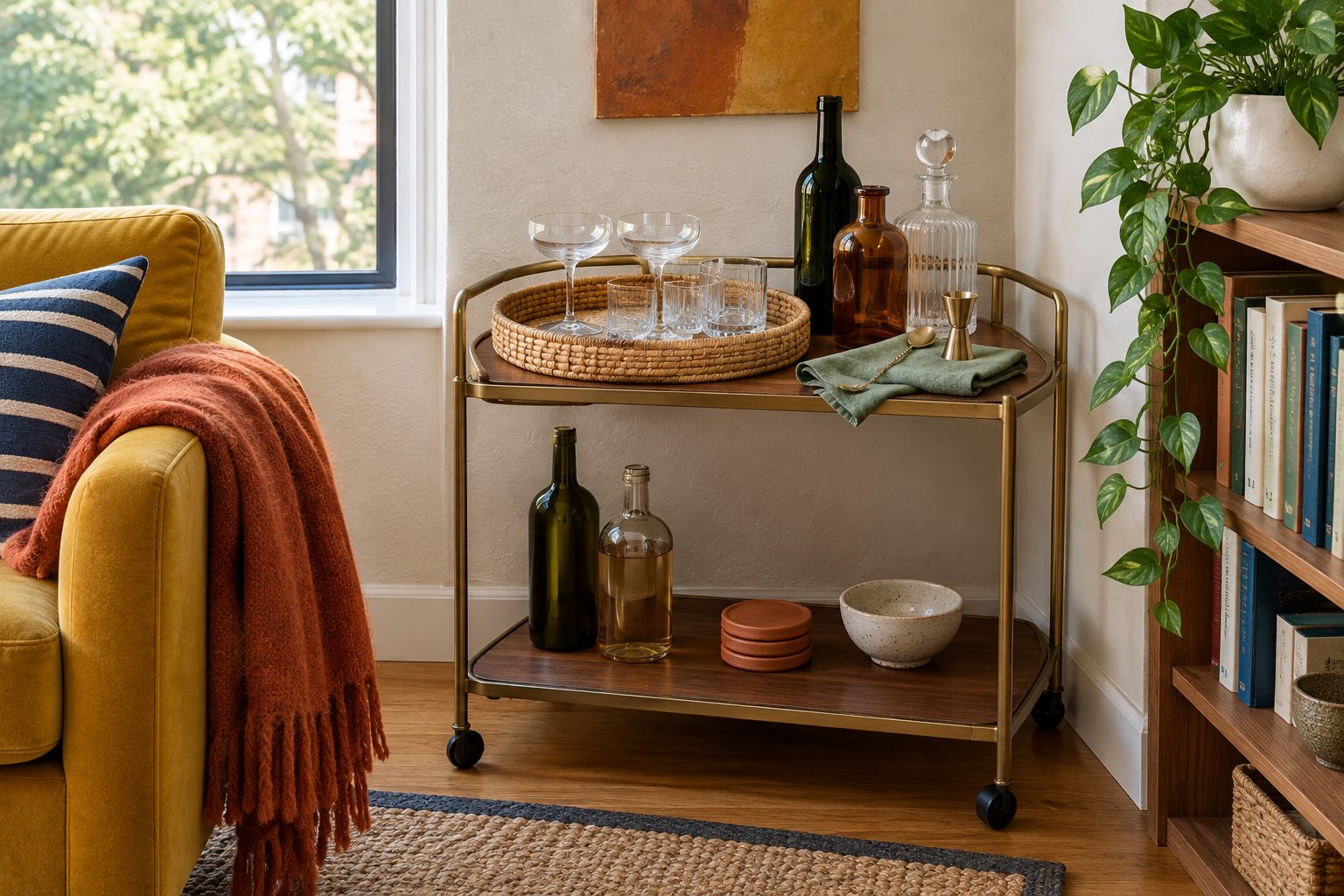
Space outside is usually the real constraint. A full cocktail party on one small patio shows how far a single table goes when the layout is right, and a garden party bar cart is the version that rolls out and back in when the weather turns.
Non-Alcoholic Station Options That Feel Just as Special
Coffee and tea bar
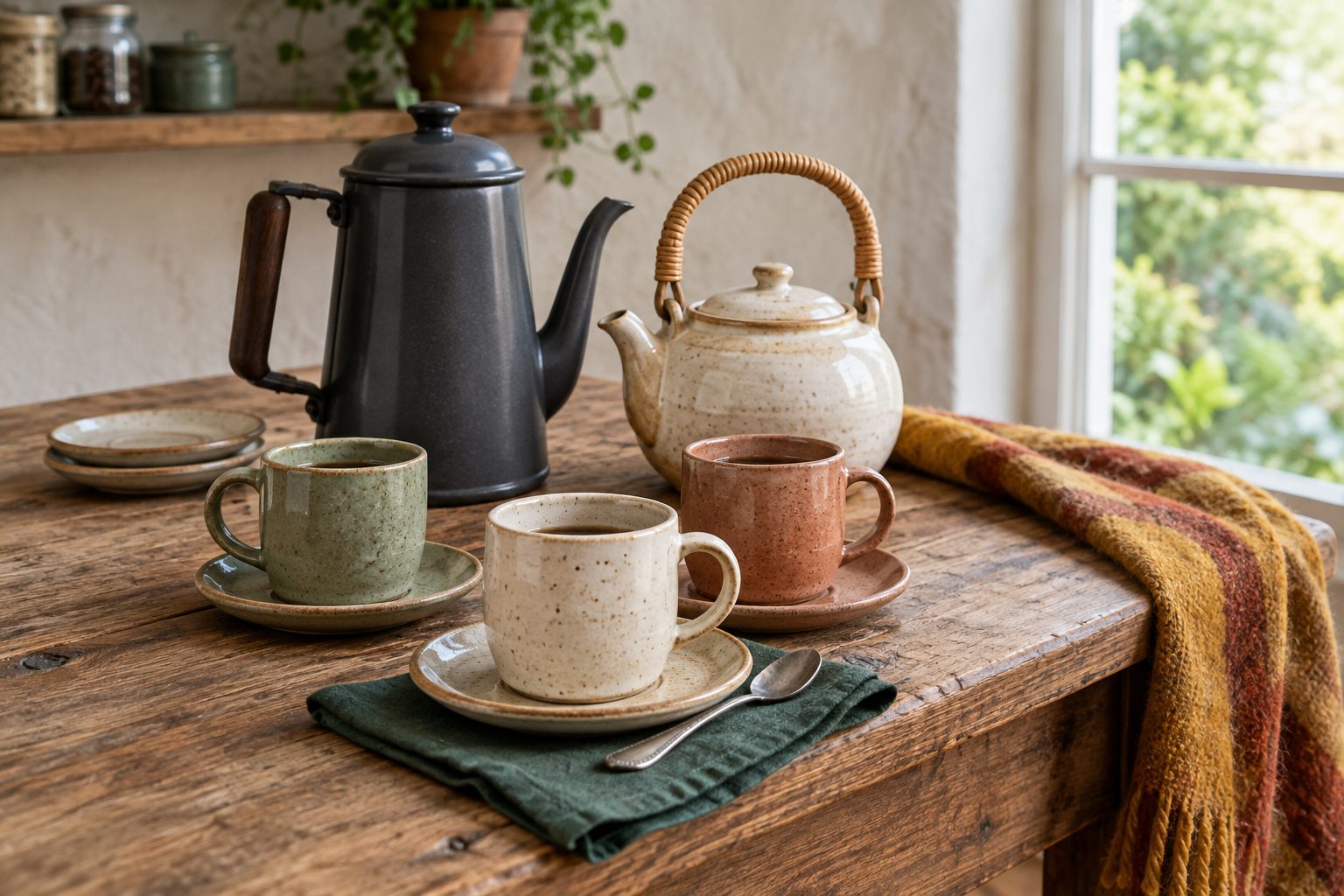
Set out insulated carafes of hot coffee and water for tea, along with tea bags, milk and cream kept chilled on ice, sugar, honey, and flavored syrups. Add biscotti or shortbread cookies at the end of the line.
Sparkling water station
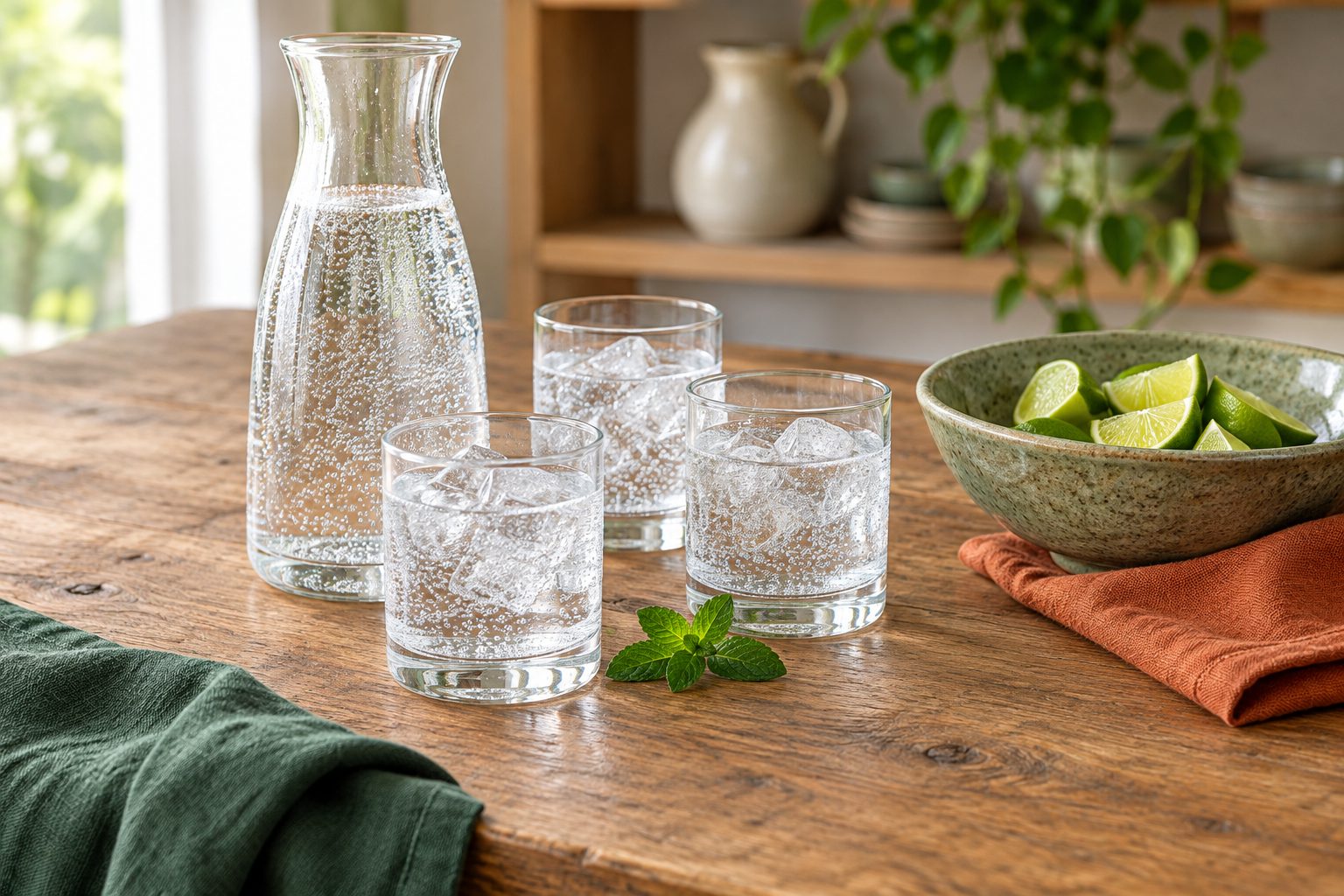
Offer several flavors of sparkling water, fresh fruit slices, herb sprigs, and nice glassware. For a measured glass, add 6 fluid ounces cold sparkling water over 1/2 cup ice in a 12-fluid-ounce glass with 1 washed lime wheel; serve immediately. Keep woody decorative herbs on the table.
Fruit punch station
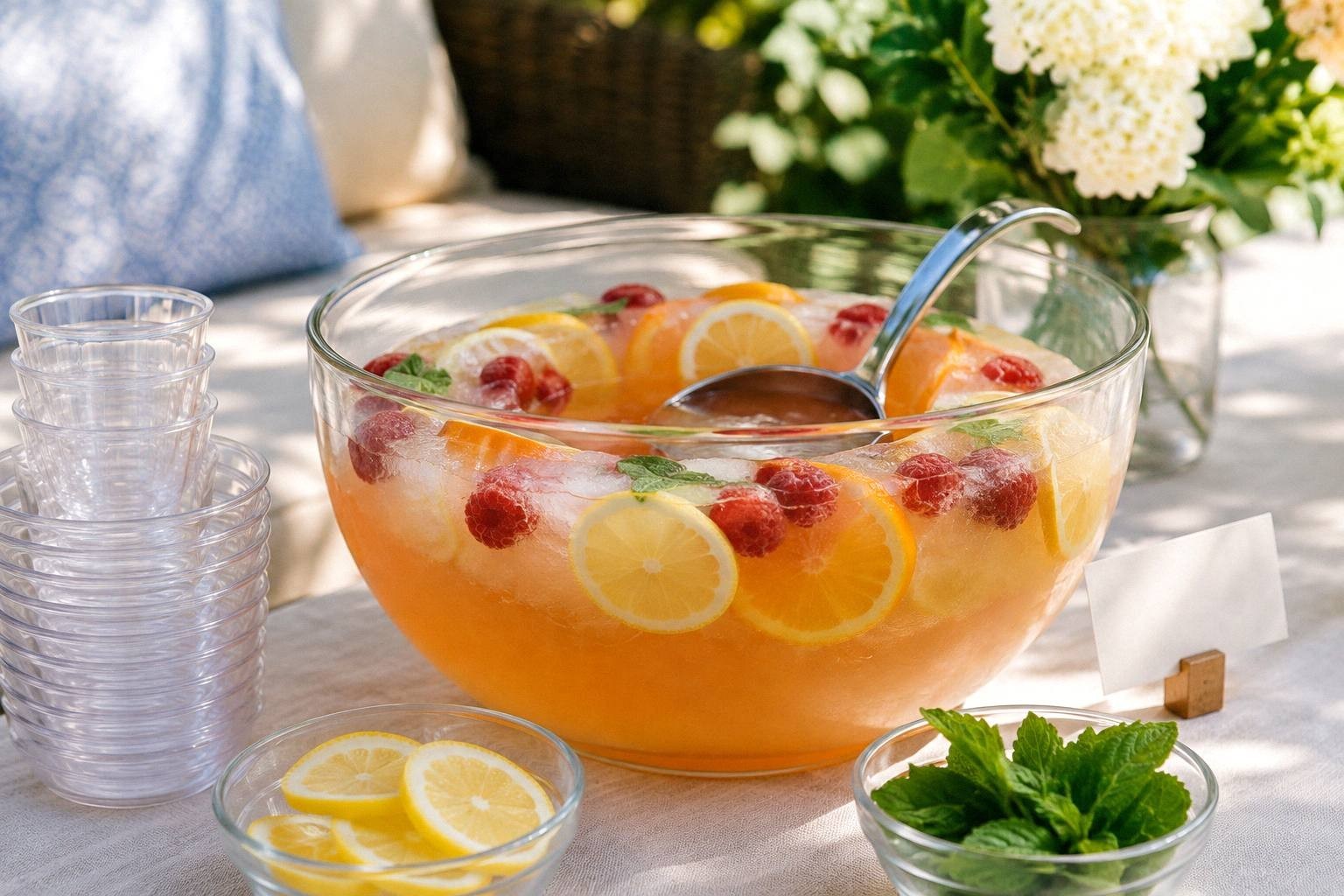
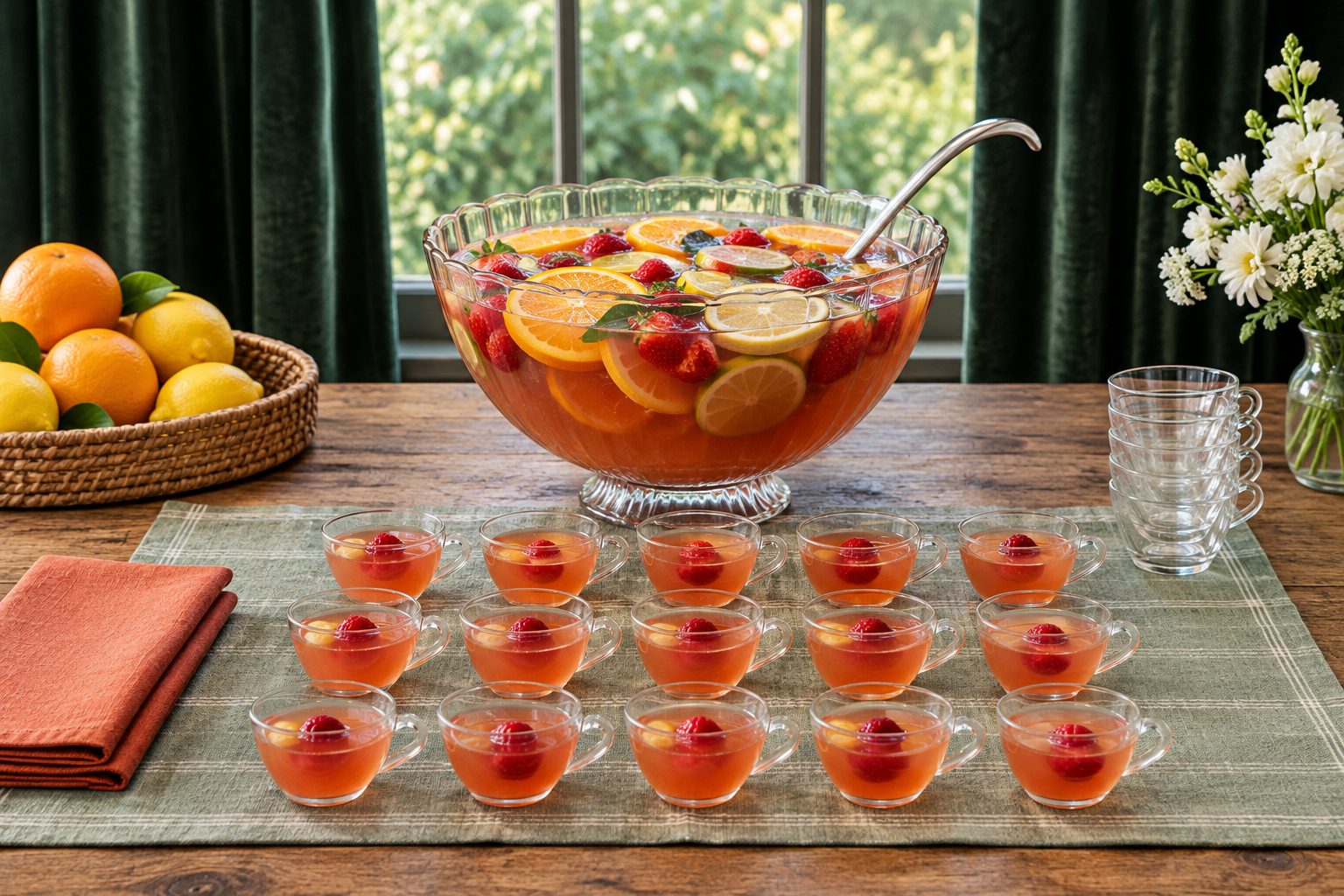
Mix a large batch using fruit juices, ginger ale, and fresh fruit slices. Serve from a drink dispenser or punch bowl and freeze some juice in ice cube trays so drinks stay cold without getting watered down.
A non-alcoholic station lives or dies on whether guests understand it without asking, so it is worth knowing what a self-serve mocktail bar actually needs . For the drinks themselves, batch mocktails guests can pour themselves and a self-serve summer punch bowl both scale without anyone mixing to order.
Common Problems and How to Fix Them
- Ice melts too fast: Use a larger insulated cooler instead of a bowl, freeze water in big blocks to slow the melt, and keep backup ice in a separate cooler with a lid.
- Drinks run out unevenly: Check levels halfway through the party and move popular items to the front. Guests gravitate toward what’s easiest to reach, so rotating bottles balances consumption.
- Guests congregate at the station and block access: Move the station away from seating areas and make sure people can approach from two sides. If crowding persists, set up a second smaller station with just ice and mixers.
- Garnishes turn brown or wilt: Slice citrus no more than two hours before the party and keep it covered in the fridge until you set up. Wash herbs under running water, keep prepared garnishes covered and refrigerated, and serve small portions with clean tongs.
- Spills make the table sticky: Cover the table with butcher paper or a vinyl tablecloth you can wipe down, and set out a roll of paper towels within reach. Guests will clean up their own spills if the tools are visible.
- No one knows what to make: Print simple recipe cards for two or three classic drinks and prop them up near the bottles. Use the measured vodka-soda card above and label the spirit amount clearly.
Cold Chain, Ice and Service Checks
Keep opened perishable mixers, cut fruit, puree, milk and cream at 40 F / 4 C or below, including backup portions. A decorative bucket or garnish server only works if a thermometer confirms that temperature. Replace small serving containers with fresh chilled ones rather than topping up warm leftovers. Discard perishable service items warm for more than 2 cumulative hours, or 1 hour above 90 F / 32 C. Guest-contact leftovers are discarded; untouched cold reserves follow their label or the complete recipe’s storage limit.
Use potable drink ice, a dedicated clean scoop with its handle out of the ice, and separate ice for chilling bottles. Do not scoop with drinking glasses or bare hands, and do not serve meltwater or chilling ice. Wash hands, cutting boards and fresh produce before slicing; clean lids of cans before opening. Label alcohol, caffeine and allergens such as dairy, and keep plain water and alcohol-free choices easy to reach. Acidic drinks use glass or properly lined food-safe mugs, not bare copper. For coffee and tea service keep milk and cream on ice at the stated cold temperature; use equipment rated for hot beverages and check hot holding at 140 F / 60 C or above when storing perishable hot mixtures.
Mimosa, sangria, lemonade, fruit punch and syrup-bar examples above are station concepts, not complete batch recipes. Use a complete measured recipe and its ingredient limits rather than improvising a dispenser volume. Add carbonation at service, never shake it in a closed container, and do not use an unverified home ferment as a party mixer.
Sources and Review Limits
- FDA buffet guidance : Produce washing, thermometer-based cold/hot holding, small fresh service portions, 2-hour/1-hour disposal and shallow cooling; general guidance, not shelf-life validation.
- FDA Food Code 2022 : Copper alloy food contact restriction for acidic foods below pH 6; use glass or intact suitable lining.
These are source and measurement checks, not kitchen testing. House variations and short quality windows have not been shelf-life tested.
Frequently Asked Questions
How far in advance can I set up a drink station?
Set up the table, arrange glassware, and position bottles the night before if you want, but wait until an hour before guests arrive to add ice and any chilled mixers. Keep perishable chilled mixers at 40 F / 4 C or below, including while they are set out. Citrus slices and fresh herbs can be prepped the morning of the party and kept covered in the fridge until you’re ready to set them out.
What’s the minimum table size I need for a drink station?
A four-foot folding table works for a basic station serving up to twelve guests, but a six-foot table gives you enough room to spread things out and avoid crowding. If you’re tight on space, a bar cart or a kitchen counter can work as long as you keep the setup streamlined. If even that is more than you have, a drink station with no room for a bar cart covers the shelf and counter versions.
Should I offer both alcoholic and non-alcoholic options at the same station?
You can serve both at one station if each option is clearly labeled. For cold drinks served over ice, place cups first, then drink ice and the alcohol-free bases or mixers. Keep alcoholic add-ins in a separate labeled spot with a measure, and finish with garnishes and napkins. If the table feels crowded, give water and alcohol-free drinks their own small serving area.
How do I keep a drink station from looking messy as the party goes on?
Do a quick reset halfway through the party: wipe up spills, consolidate half-empty bottles, refill ice, and restock garnishes. Assign yourself a five-minute check-in at the one-hour and two-hour marks, and the station will look intentional instead of abandoned.
How much ice should I buy for a party drink station?
Start with 1 pound of ice per guest for a three-hour indoor party, and double that outdoors or in warm weather. Always keep potable drink ice in a covered bucket with its own scoop, separate from the ice used to chill bottles and cans.
Put the Station Plan Together
Start with the drinks you plan to serve, then set the table in that order. The cider bar and hot chocolate bar use the same basic flow, while the holiday mocktail roundups offer drink ideas for those menus.
Optional Finishing Touch for Garnish-Heavy Stations
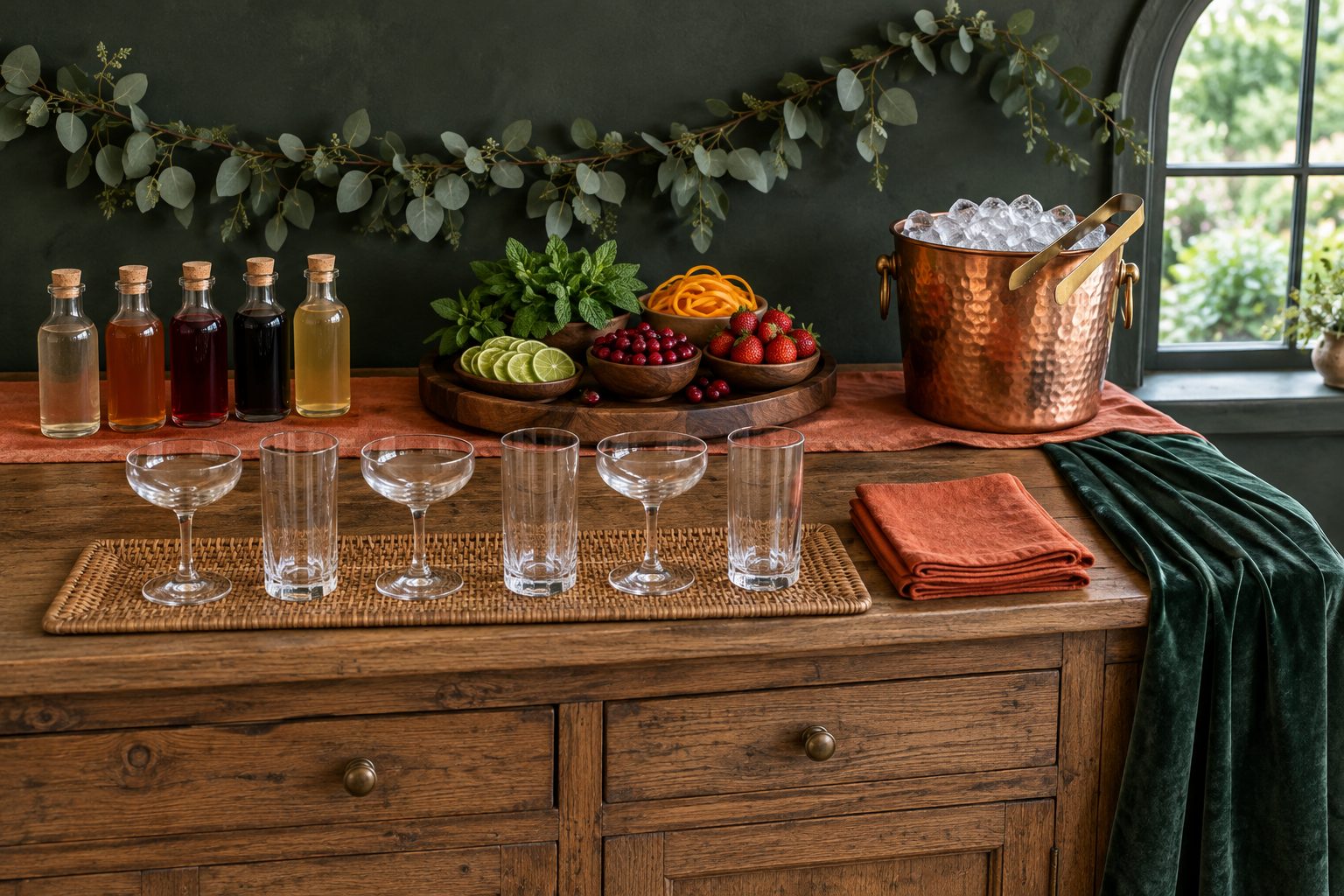
If you are setting out citrus slices, berries, and herbs for a 3-hour party, watch out for warm fruit sitting out on open plates. An ice-cooled condiment caddy keeps garnishes crisp and below 40°F without cluttering the table.
Best pick if you want one covered, ice-bottomed tray for lemons, limes, berries, and mint: