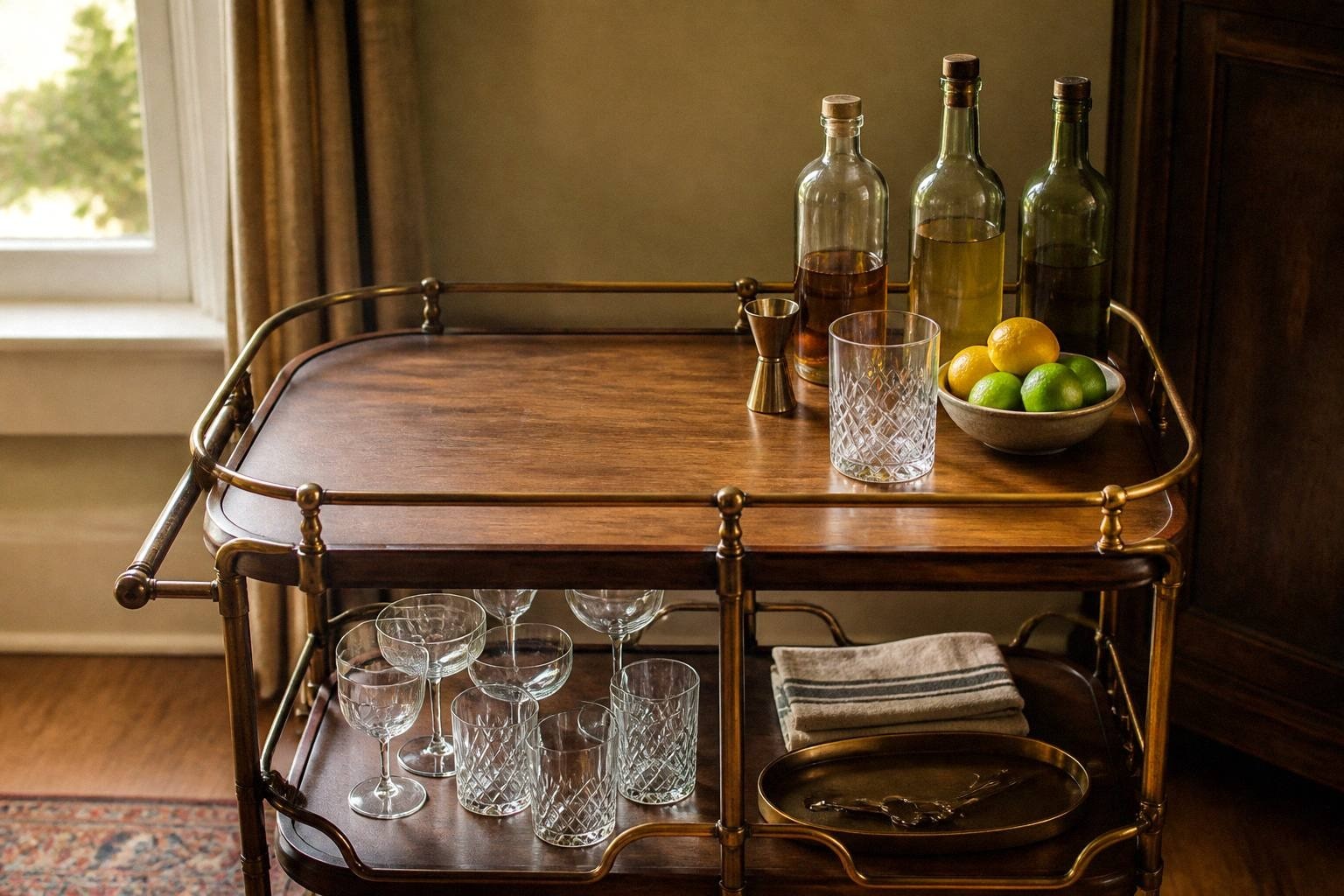
Most people never make drinks at home because the starter advice is terrible. Buy six spirits, four liqueurs, two vermouths, bitters, and a cart to hold it all. That list costs a few hundred dollars and most of it goes dusty.
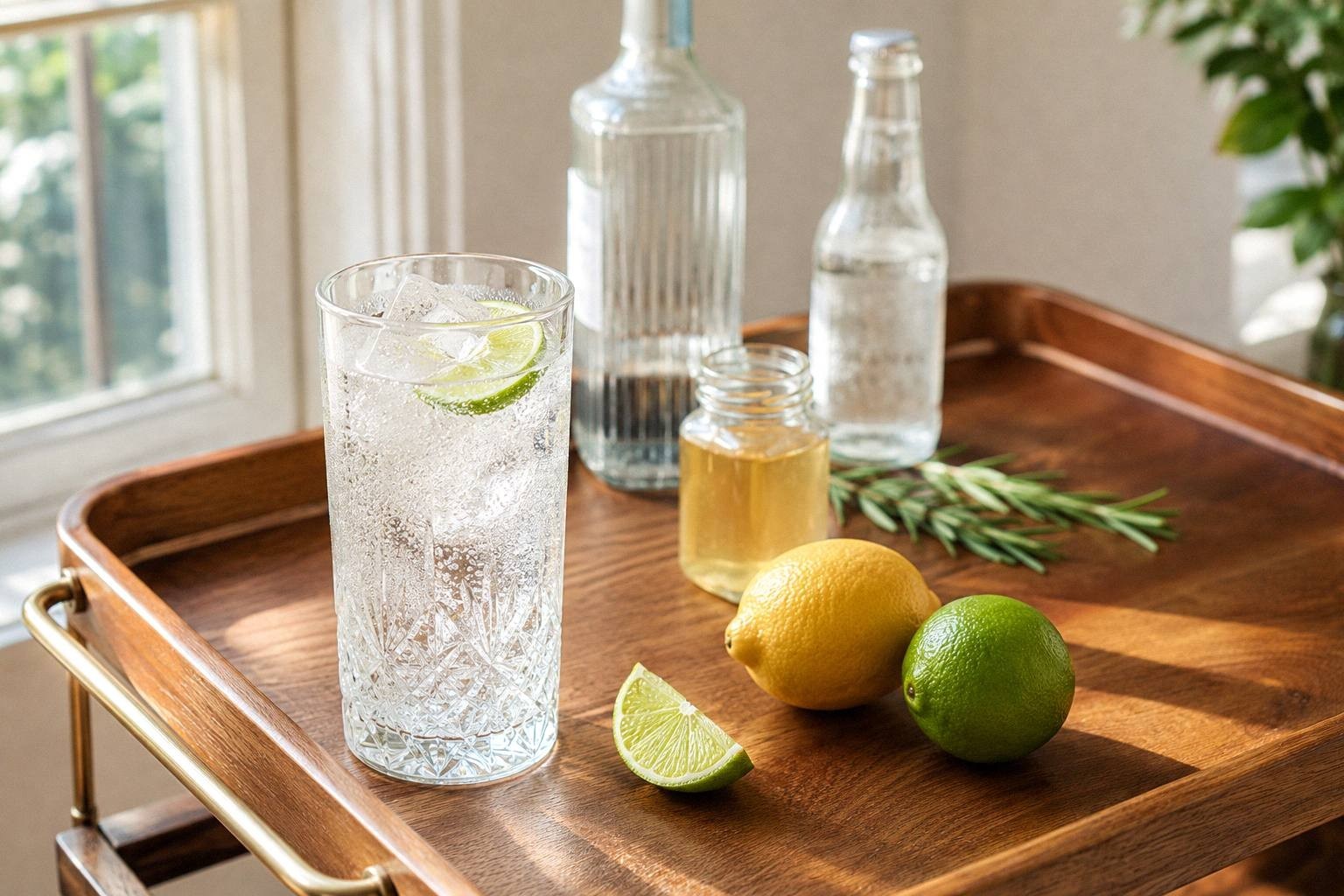
Here is the honest version. One bottle of gin, one bottle of good tonic, and one jar of syrup you make yourself in 30 minutes. Add a few lemons and limes from the fruit bowl and you can pour eight different drinks without buying anything else.
I ran my bar this way for two years before adding a fourth bottle. Nobody ever noticed the cart was mostly empty. They noticed the drinks were cold and the glasses were pretty.
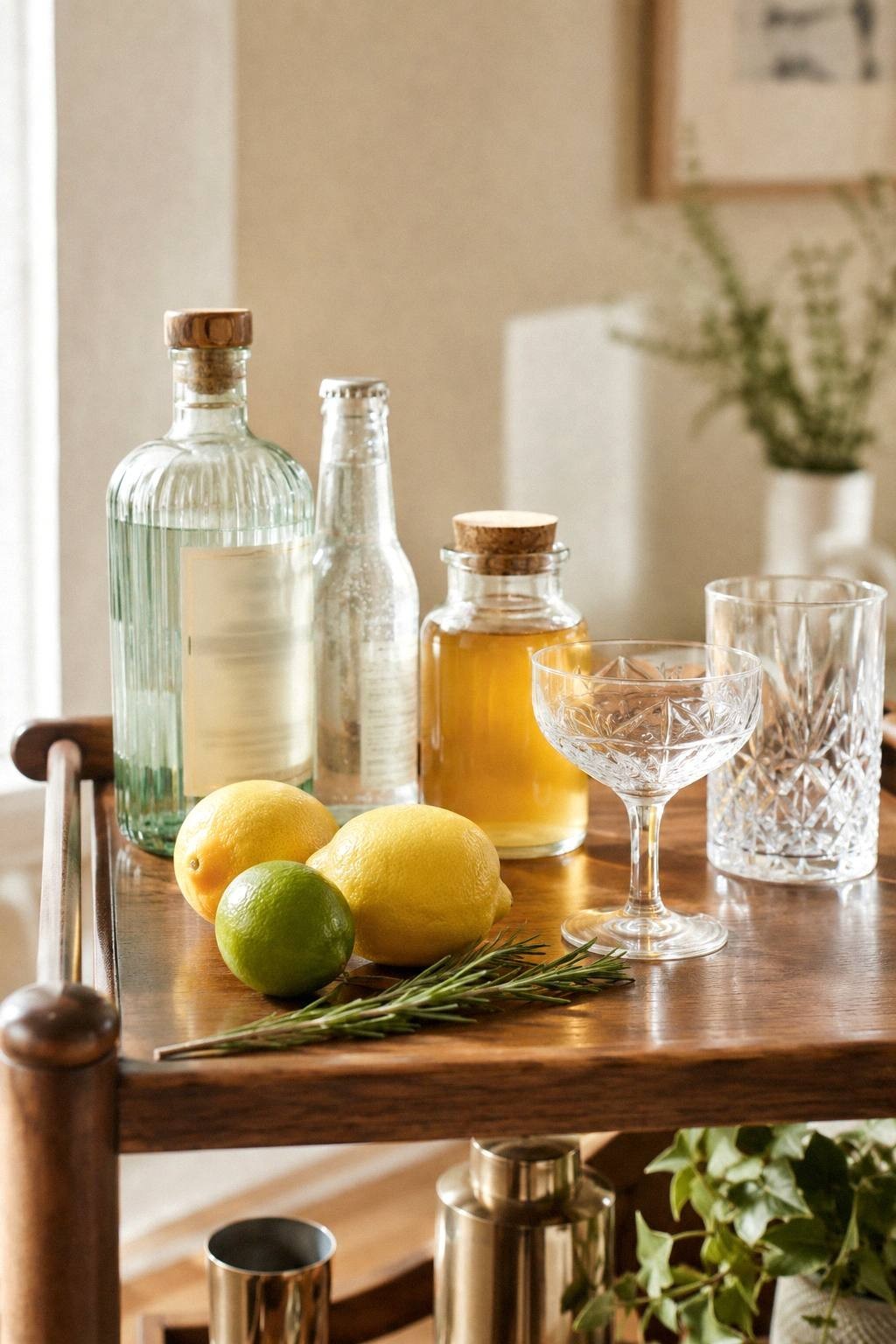
Eight Drinks From Three Bottles
This is the matrix the whole system rests on. Every build below uses only gin, tonic or soda water, the rosemary lemon syrup, and fresh citrus.
| Drink | Build | Glass |
|---|---|---|
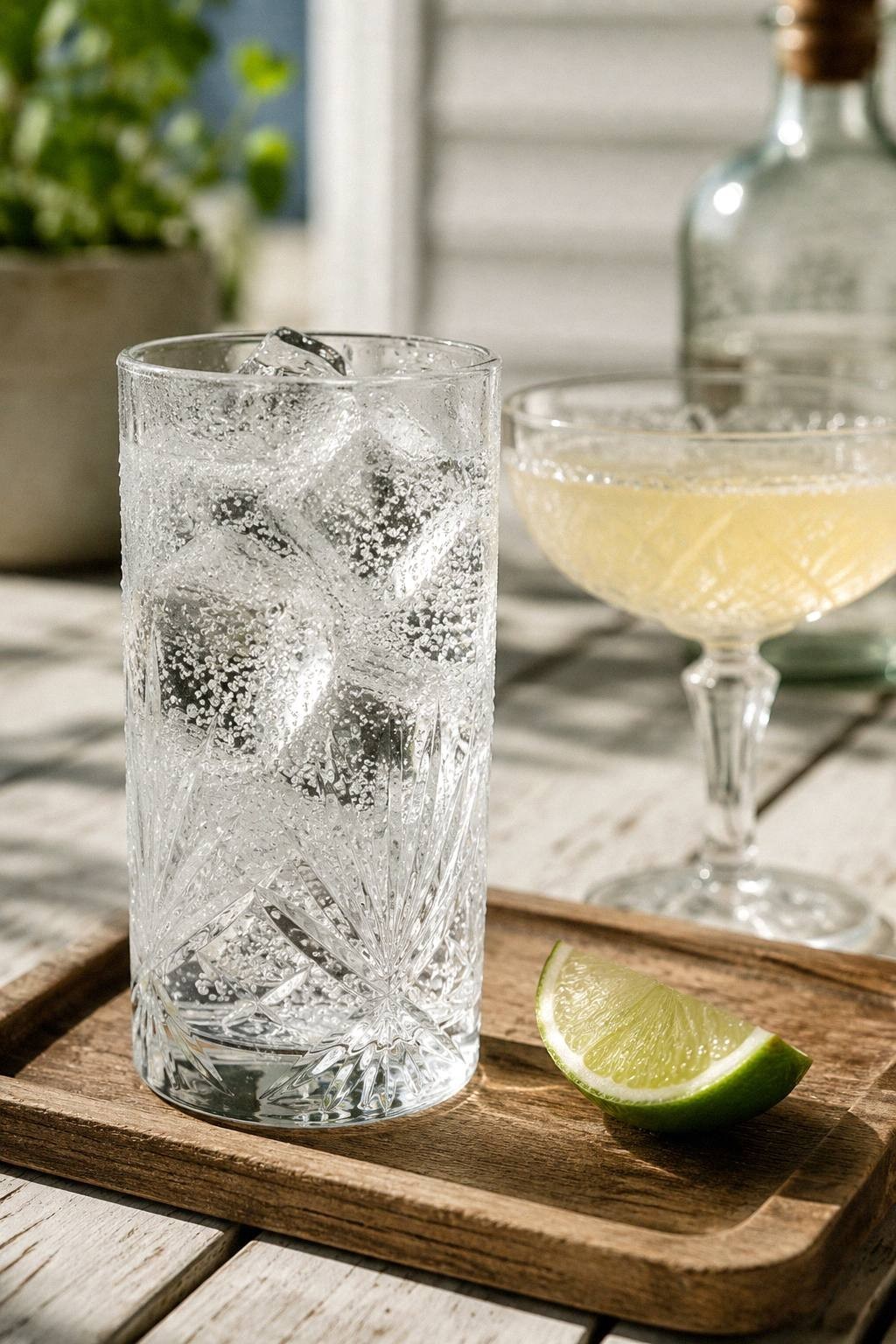
| Gin and tonic | 2 oz gin, 4 oz tonic, lime wedge | Highball |
| Gin rickey | 2 oz gin, 4 oz soda water, juice of half a lime | Highball |
| Tom Collins | 2 oz gin, 3/4 oz syrup, 3/4 oz lemon juice, top with soda | Collins |
| Gin sour | 2 oz gin, 3/4 oz syrup, 3/4 oz lemon juice, shaken hard with ice | Coupe |
| Gimlet | 2 oz gin, 3/4 oz fresh lime juice, 1/2 oz syrup, stirred cold | Coupe |
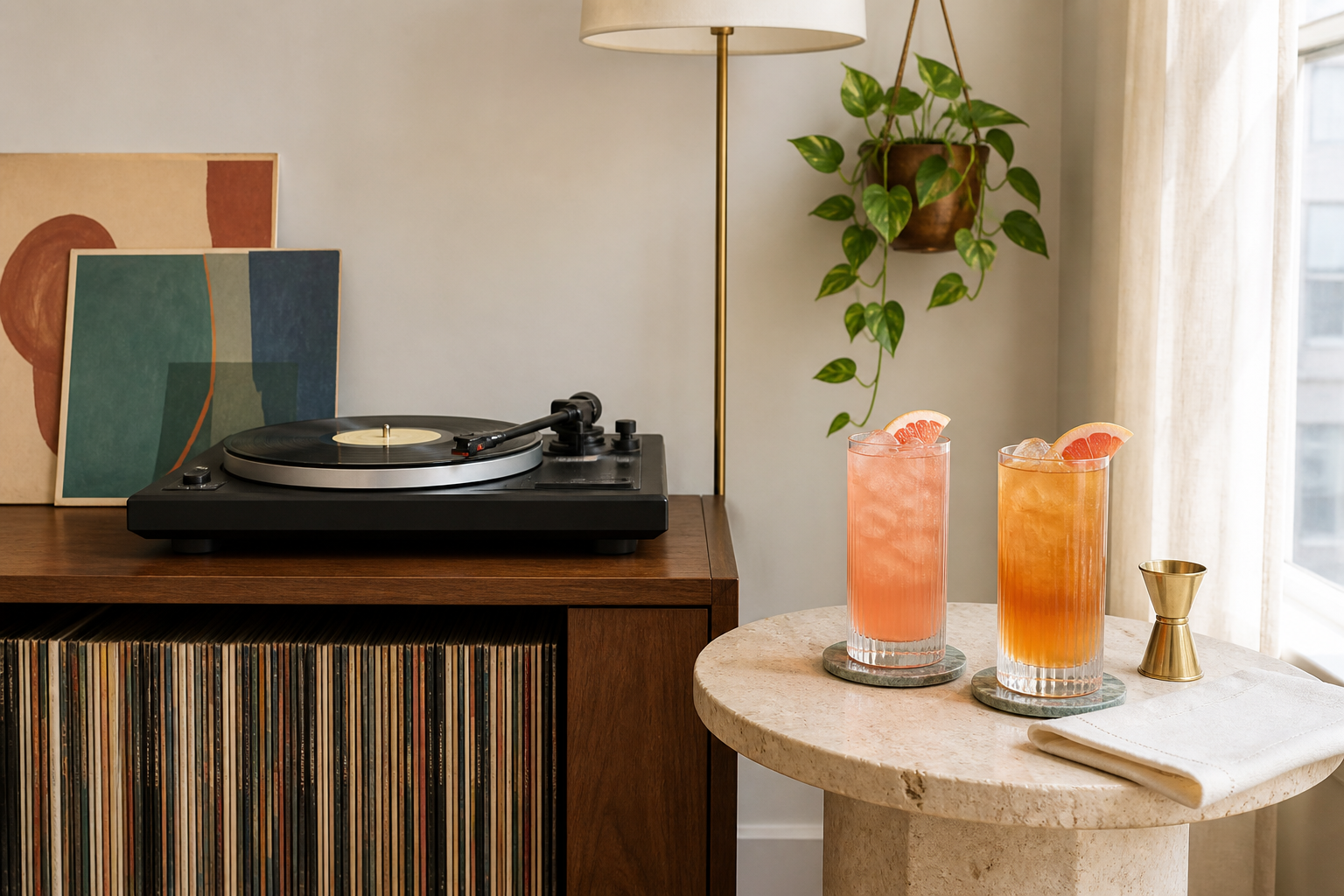
| Garden spritz | 1 1/2 oz gin, 1/2 oz syrup, 3 oz tonic over big ice | Wine glass |
| Botanical soda, zero proof | 1 oz syrup, 6 oz soda water, squeeze of lemon | Highball |
| Sparkling faux-nic, zero proof | 1/2 oz syrup, 4 oz tonic, plenty of lime | Highball |
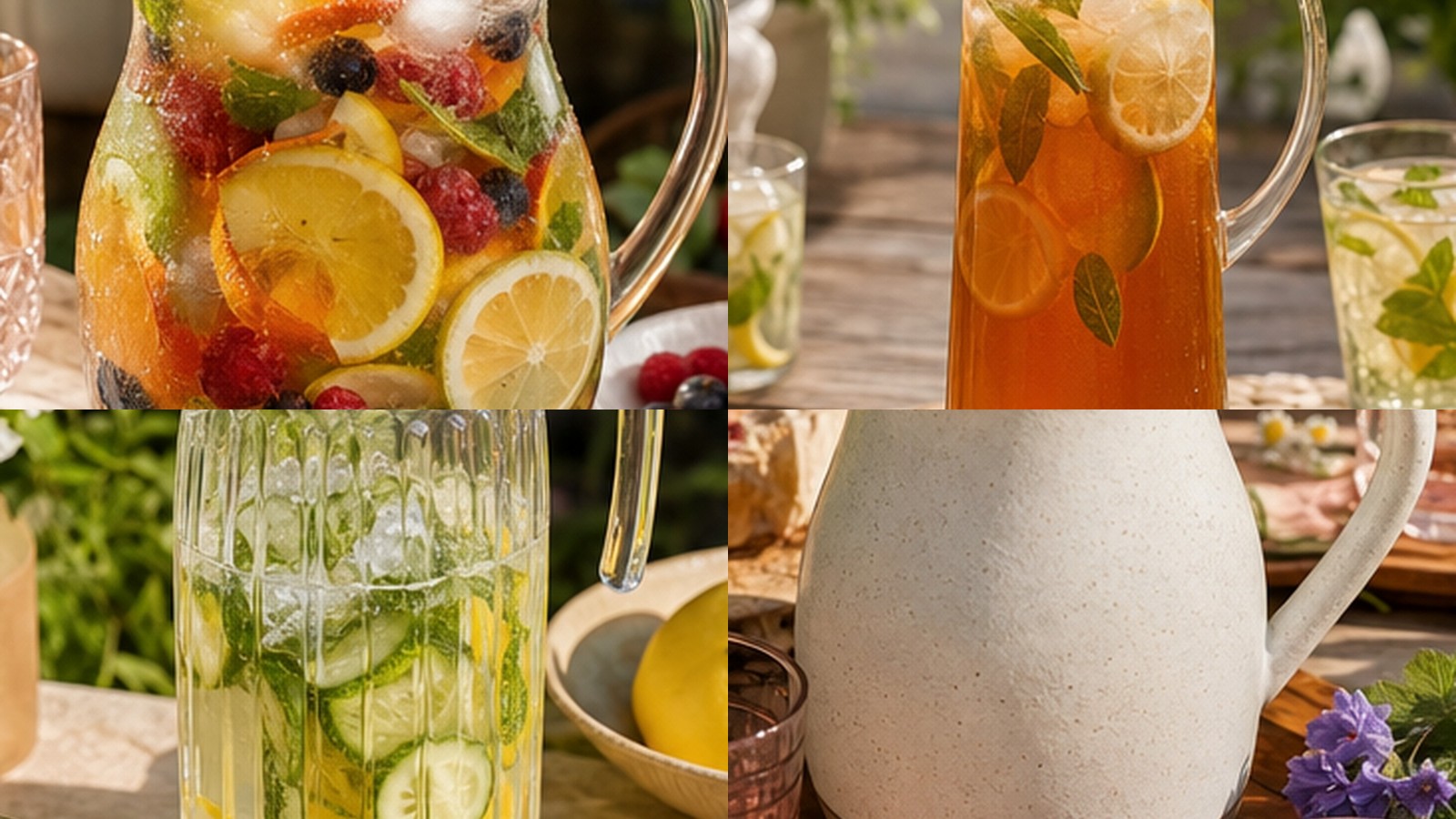
That last pair matters. If someone at your table isn’t drinking, they get a real pour in a real glass, not a sad can of soda. The syrup carries enough flavor that the zero proof builds taste deliberate. If you want a bigger zero proof option for a crowd, a pitcher of non-alcoholic sangria covers the table for the whole evening.
Bottle One: The Gin
Gin is the right first spirit for a small bar because it already contains a spice cabinet. Juniper, coriander, citrus peel, sometimes angelica root. You’re buying flavor that vodka makes you build from scratch.
Spend by tier, not by label:
- Under $20. Look for a basic London dry. At this tier you want clean and juniper-forward, nothing fancy. It disappears happily into tonic and citrus drinks.
- $20 to $35. The sweet spot. Mid-shelf London dry and most contemporary botanical gins live here, and this is where the gimlet and gin sour start tasting like bar drinks.
- $40 and up. Only worth it once you’re sipping gin in stirred drinks with almost nothing else in the glass. For a three bottle bar, skip this tier for now.
One bottle. Pick the middle tier if you can swing it. A 750 ml bottle holds about 12 drinks at 2 oz each, so even the mid-shelf option costs less per drink than one cocktail out.
Bottle Two: The Tonic
This is where most home bars fail quietly. People buy a careful gin and drown it in flat, syrupy tonic from a 2 liter bottle. Tonic is half the glass in a gin and tonic. Treat it like an ingredient.
Buy small bottles or cans, 150 to 200 ml each, so every drink gets fresh carbonation. A four pack of quality tonic usually runs in the same range as a sandwich, and one four pack covers a small gathering. Look for real quinine and cane sugar on the label rather than high fructose syrup.
If tonic’s bitterness isn’t your thing, plain soda water works in every build above except the gin and tonic itself. The rickey and Collins were built on soda long before craft tonic existed.
Bottle Three: The Syrup You Make
The third bottle is the one that makes the bar yours, and it costs almost nothing. A botanical simple syrup turns gin and citrus into finished cocktails, sweetens the zero proof pours, and keeps in the fridge for 2 to 3 weeks.
The full recipe is in the card above: 1 cup water, 1 cup sugar, 3 rosemary sprigs, and the peel of one lemon, simmered 5 minutes and steeped 15. Strain, jar, chill. Rosemary plays beautifully against juniper, which is why I lead with it here.
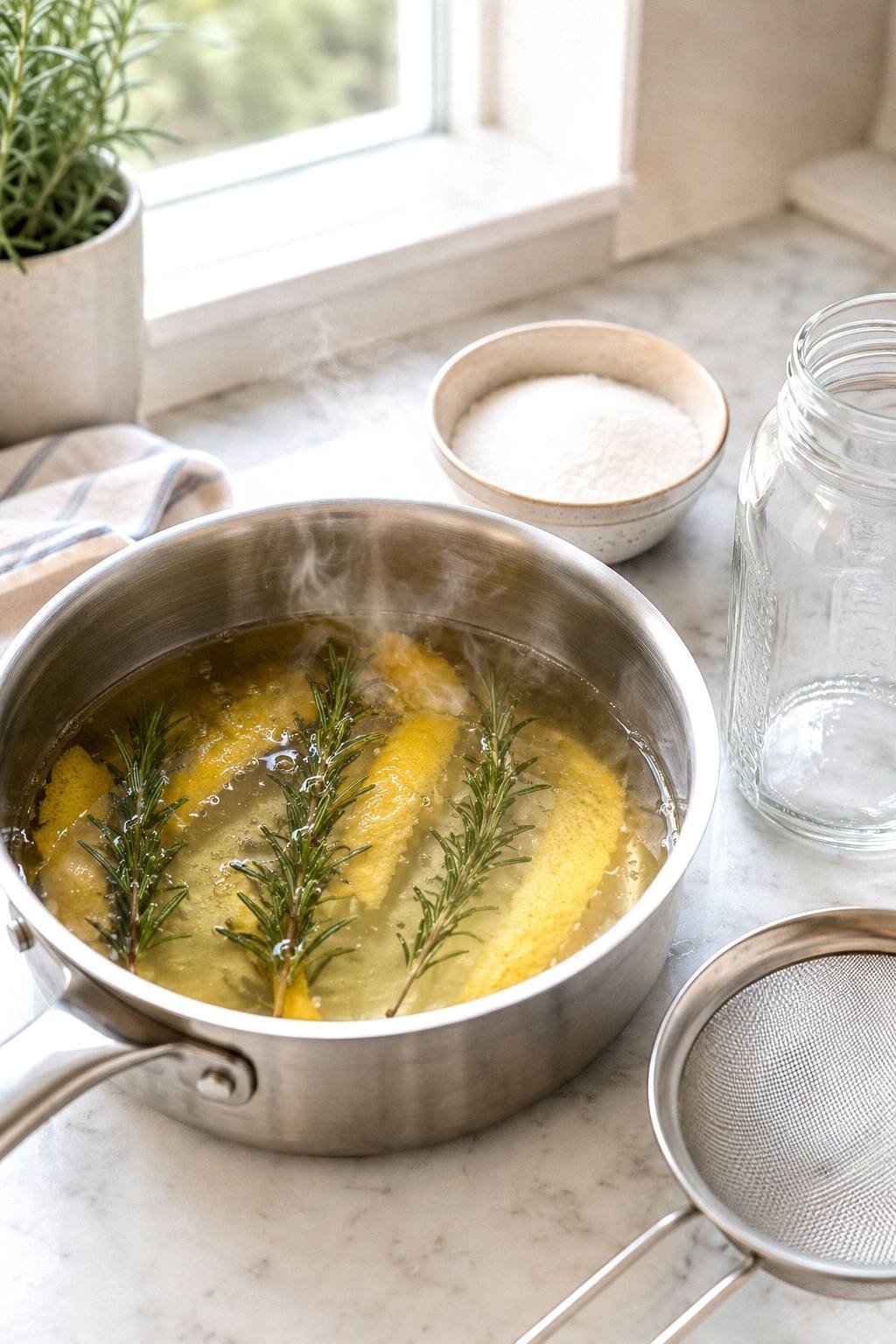
The method transfers to almost any herb or flower. A lavender simple syrup made the same way turns the gin sour into a different drink entirely, and thyme or basil work on the same 15 minute steep. One pot, one technique, a rotating third bottle.
A note on rotation: when the rosemary jar runs low, make the next batch with a different herb instead of restocking the same one. Your eight drinks quietly become sixteen over a season. And once you’re comfortable, drinks like the herbal chilcano show you what the same build-a-drink logic looks like with other spirits, whenever you decide to add bottle four.
Vintage Glassware for Thrift Store Money
Glassware does more for a small bar than a fourth bottle ever will. The good news is that the best looking glasses in any thrift store cost less than a coffee.
What to grab when you see it:
- Etched or pressed-glass coupes. Often sold as champagne glasses for a dollar or two each. They make a gin sour look like it came from a hotel bar.
- Heavy-bottomed highballs. Weight reads as quality in the hand. Check the base for chips by running a thumb around the rim and foot.
- Mismatched Collins glasses. A deliberately mixed set looks collected, not cheap. Stick to one family, clear glass or one color, so the mix reads as a choice.
- Small wine glasses from the 70s and 80s. Ideal spritz glasses. The slightly small size keeps the ice-to-drink ratio right.
Skip anything cloudy that doesn’t clear with a vinegar soak, and skip novelty prints. Six to eight glasses total is plenty for a bar this size.
Setting It Out
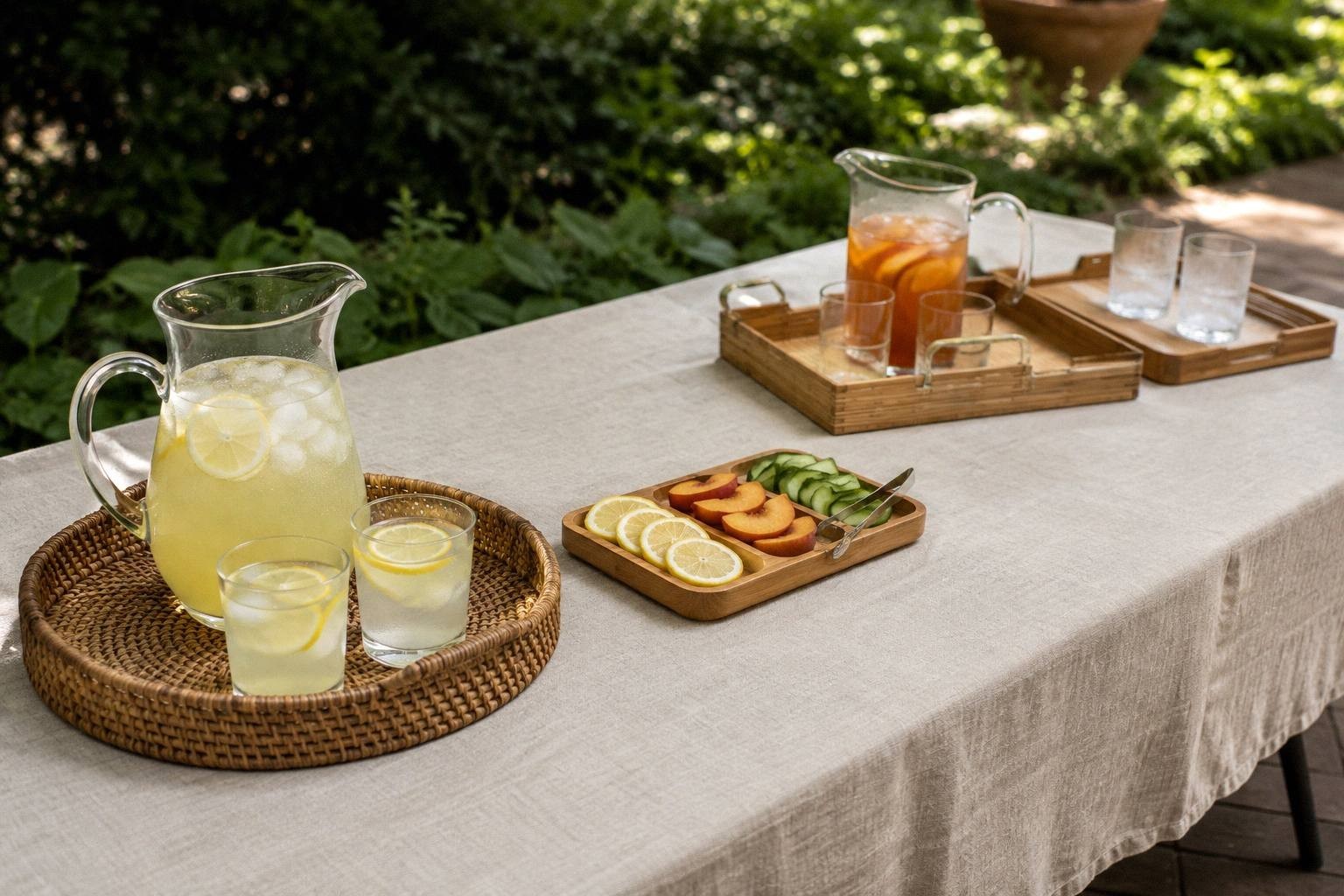
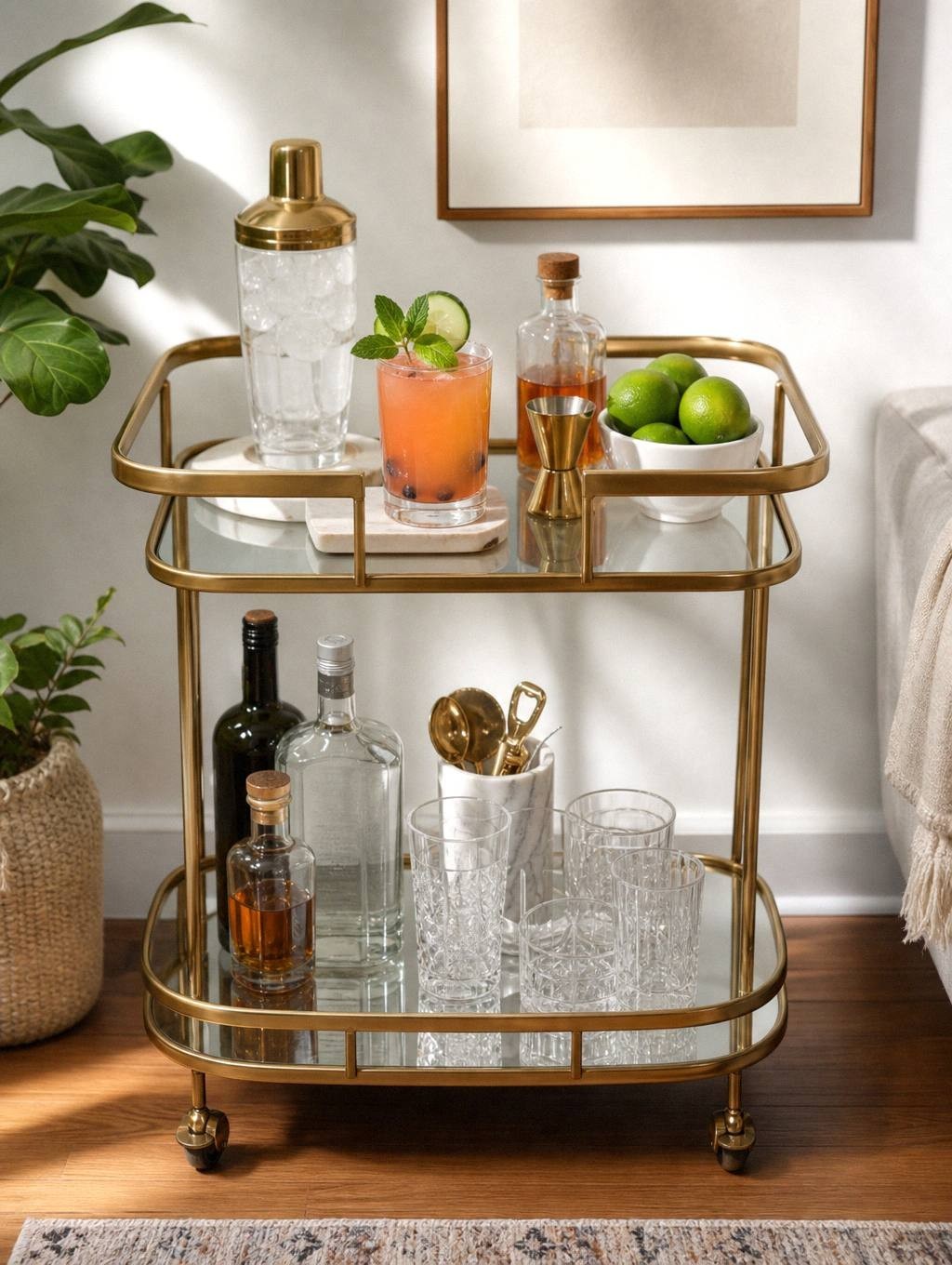
You don’t need a cart. A tray on a counter holds three bottles, a jar of syrup, and a small cutting board for citrus. When friends come over, the same three bottles scale up: move the operation outside and let people build their own glasses the way a backyard drink station works, with ice in a bowl, citrus cut ahead, and the builds written on a card.
That card trick is worth stealing even indoors. Write the matrix on an index card and prop it against the gin. Guests stop asking what they can have and start making Tom Collinses, and you get to stay a guest at your own table.
Common Questions
Can I build the three bottle bar without gin?
Yes. Vodka is the closest swap and works in every build, though you lose the botanical depth. Blanco tequila is the more interesting move, and the syrup and citrus builds translate directly. Keep the same ratios.
How long does the homemade syrup actually last?
2 to 3 weeks refrigerated in a clean, capped jar. If it turns cloudy or smells off, make a new batch. At one cup of sugar per batch, the cost of replacing it is pocket change.
What should I add as bottle four?
Nothing, until something in the matrix bores you. When that happens, add a dry vermouth and the gin you already own starts making martinis. Soda water, syrup, and citrus carry the vermouth’s leftovers into spritz territory too.