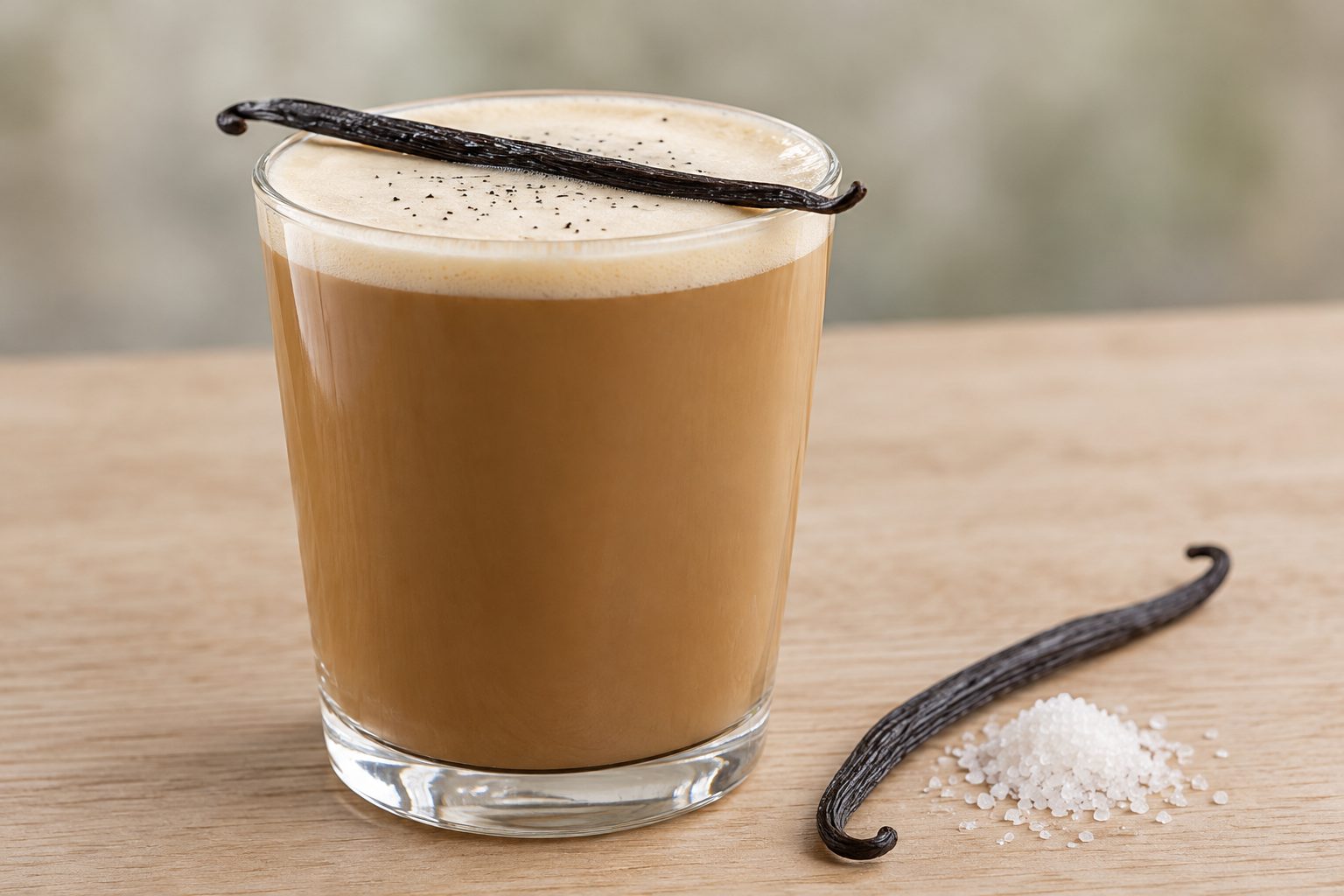
A vanilla bean latte made with real vanilla bean syrup tastes nothing like the bottled stuff. The syrup carries tiny black seeds and a warm, floral sweetness that vanilla extract can’t match. You’ll make the syrup once, keep it in the fridge for weeks, and have a better latte than most coffee shops can pull off.
The difference comes down to the bean itself. Vanilla beans contain hundreds of flavor compounds that develop during curing, and when you split one open and scrape out the seeds, those compounds infuse directly into the syrup. Extract is convenient, but it’s a one-note stand-in.
Real Vanilla Bean vs Bottled Vanilla Syrup
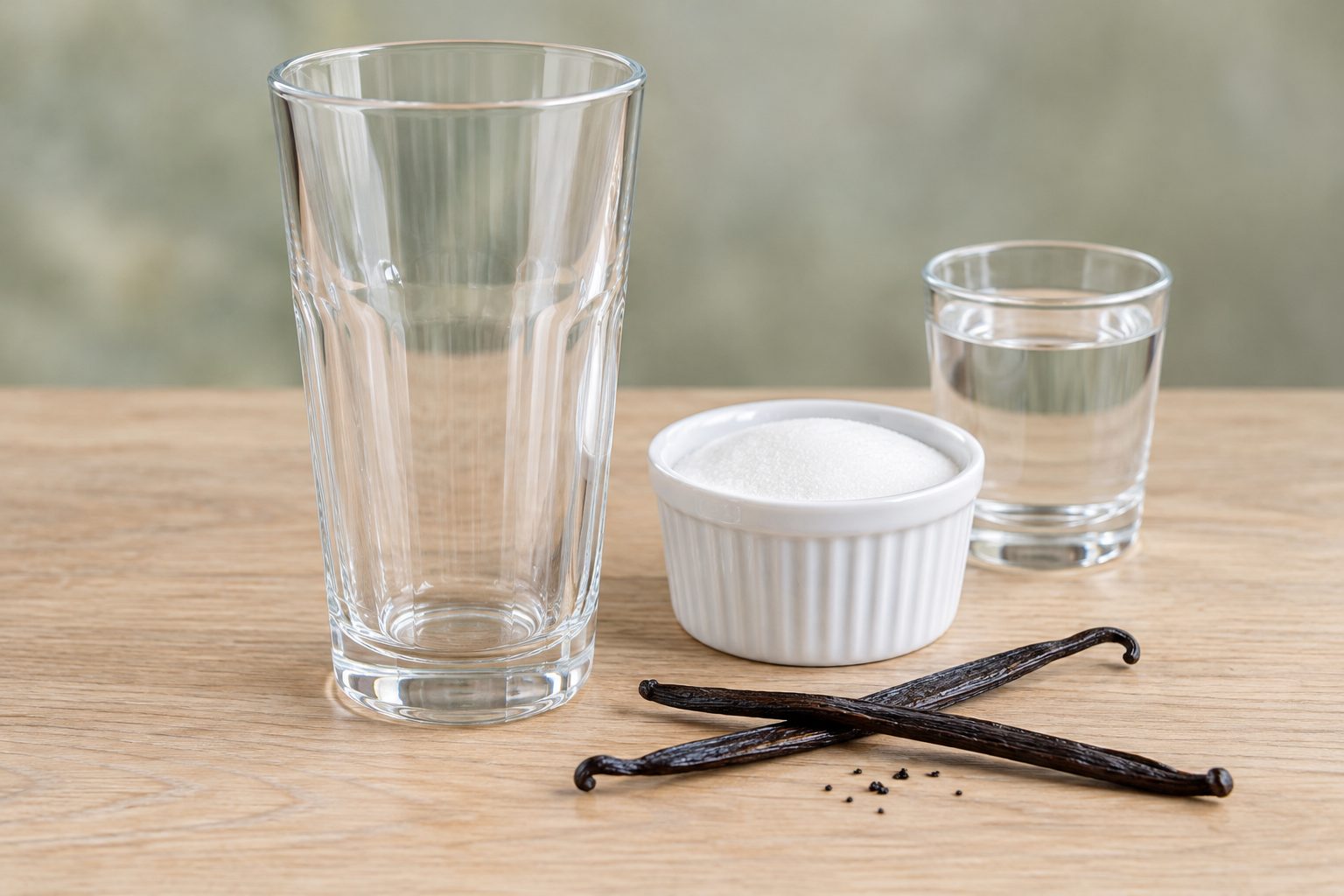
Vanilla extract is alcohol-based, so it carries a sharp edge that never fully mellows in a latte. Vanilla bean syrup is sugar-based, which means the flavor integrates into the milk without any bite. The seeds also add texture, those tiny black flecks that signal you’re drinking something made from scratch.
The syrup itself is a simple syrup with vanilla bean steeped in it. Simple syrup is just equal parts sugar and water heated until the sugar dissolves, and the vanilla bean turns it into something worth keeping on hand. You can make a batch in twenty minutes, and it’ll last in the fridge for a month or longer.
One vanilla bean makes enough syrup for eight lattes, sometimes more depending on how sweet you like them. That works out to about a dollar per drink if you buy beans in bulk, which is less than half what a coffeehouse charges for a vanilla latte .
Choosing the Vanilla Beans
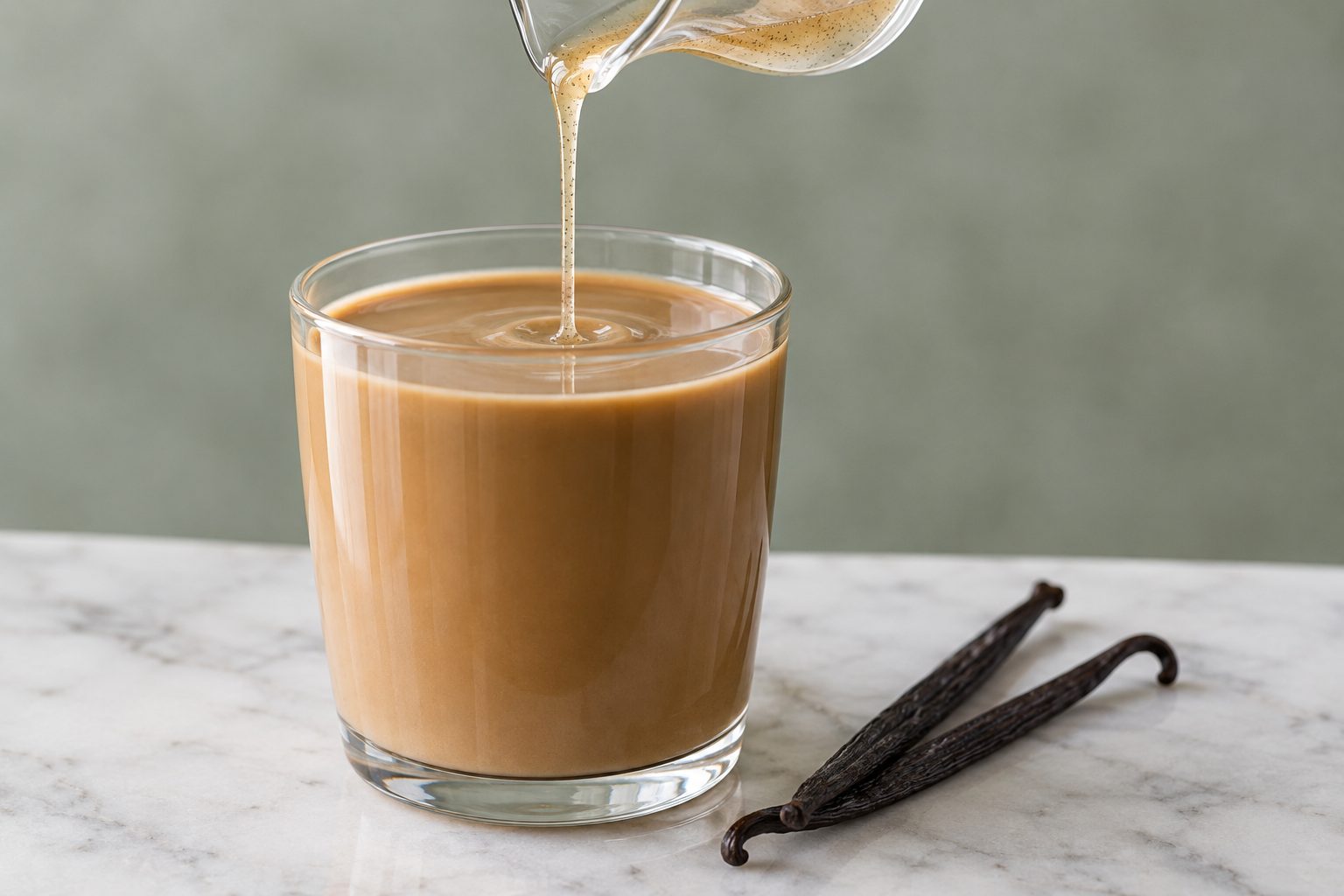
Vanilla beans come in different grades, and for syrup, you want Grade A. Grade A beans are plump, moist, and pliable, with a high moisture content that makes them easier to split and scrape. Grade B beans are drier and better suited to extract-making, where they’ll sit in alcohol for weeks.
Look for beans that are at least five inches long and feel slightly oily to the touch. They should bend without cracking. If a bean snaps when you try to curve it, it’s too dry and won’t give you much flavor.
Madagascar bourbon vanilla is the standard for lattes. It has a creamy, sweet flavor that pairs well with milk. Tahitian vanilla is more floral and works if you want something lighter, but it’s harder to find and costs more. Mexican vanilla is bold and spicy, which can overpower the coffee.
For the latte itself, you’ll need espresso or very strong brewed coffee. Espresso gives you the concentrated coffee flavor that holds up to the milk and syrup, but if you don’t have an espresso machine, brew a small amount of coffee at double strength. Use twice the grounds you’d normally use for the same amount of water.
Whole milk froths best and gives you the richest texture, but any milk works. Two percent is a close second. Oat milk froths well and has a natural sweetness that complements vanilla. Almond milk is thinner and doesn’t foam as much, but it won’t curdle in hot coffee the way some plant milks do.
Vanilla Bean Syrup
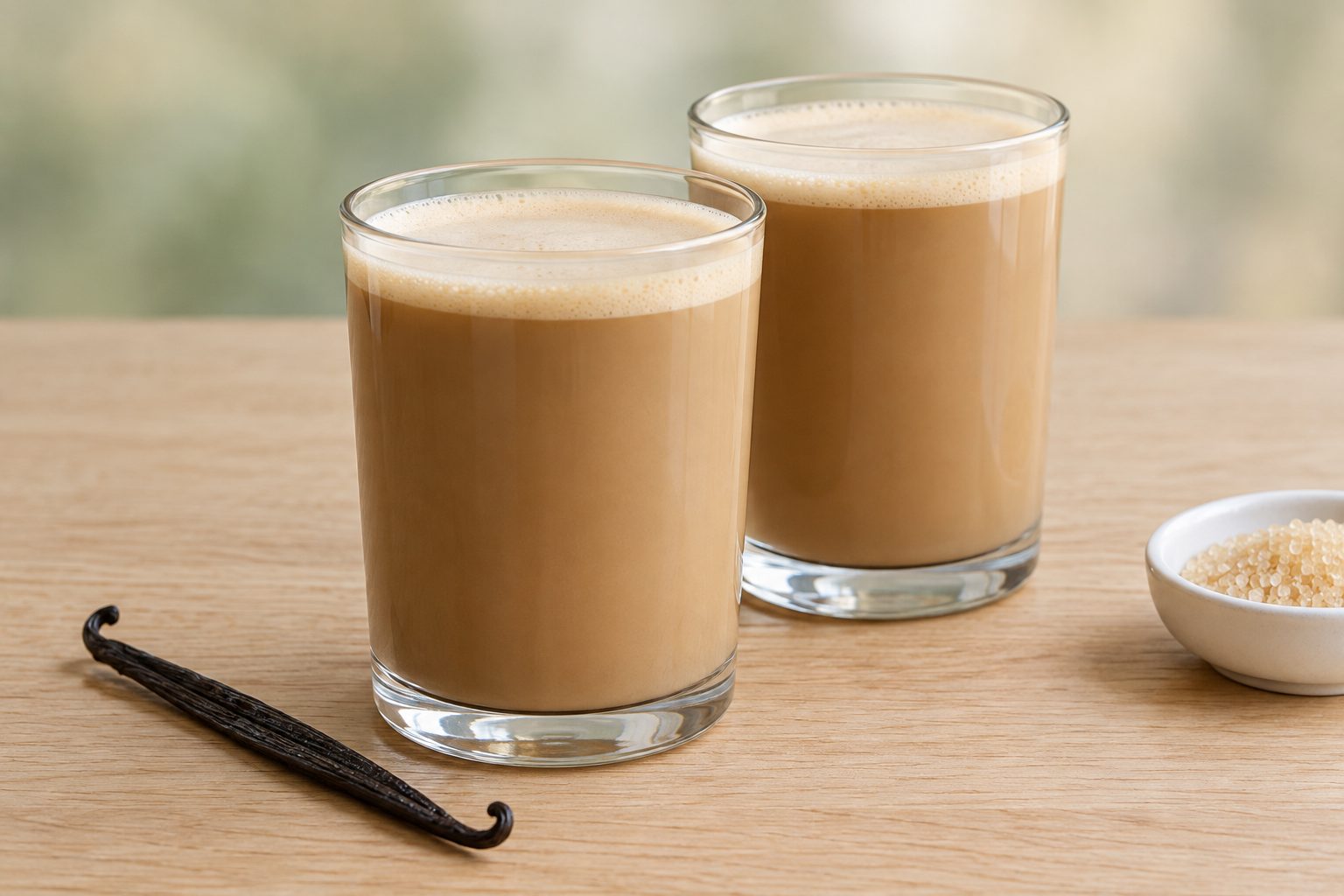
Makes about 1 1/2 cups.
Ingredients
- 1 cup water
- 1 cup sugar
- 1 vanilla bean
Instructions
- Add the sugar and water to a small saucepan. Slice the vanilla bean down the center and scrape out the black seeds. Drop in the seeds and pod. Heat over medium-high heat, stirring now and then, until the sugar dissolves completely and the mixture comes to a boil, about 10 to 15 minutes. Remove from the heat and pour into a sterile glass container. Store in the refrigerator for up to one week.
Ingredients
The vanilla syrup here is the vanilla bean syrup listed right after the latte.
- 1 (1.5 fluid ounce) jigger brewed espresso
- 2 tablespoons vanilla flavored syrup
- 1.25 cups 2% milk
For the vanilla bean syrup:
- 1 cup water
- 1 cup sugar
- 1 vanilla bean
Instructions
- Make the syrup first. Put the sugar and water in a small saucepan, split the vanilla bean down the center, scrape out the seeds and add the seeds and the pod. Heat over medium-high heat, stirring now and then, until the sugar dissolves completely and the mixture comes to a boil, about 10 to 15 minutes. Pour it into a clean glass jar and keep it in the fridge for up to one week.
- Heat the milk to 145 to 165 degrees F with the steam wand of an espresso machine.
- Pour the espresso over the vanilla syrup in a large coffee mug.
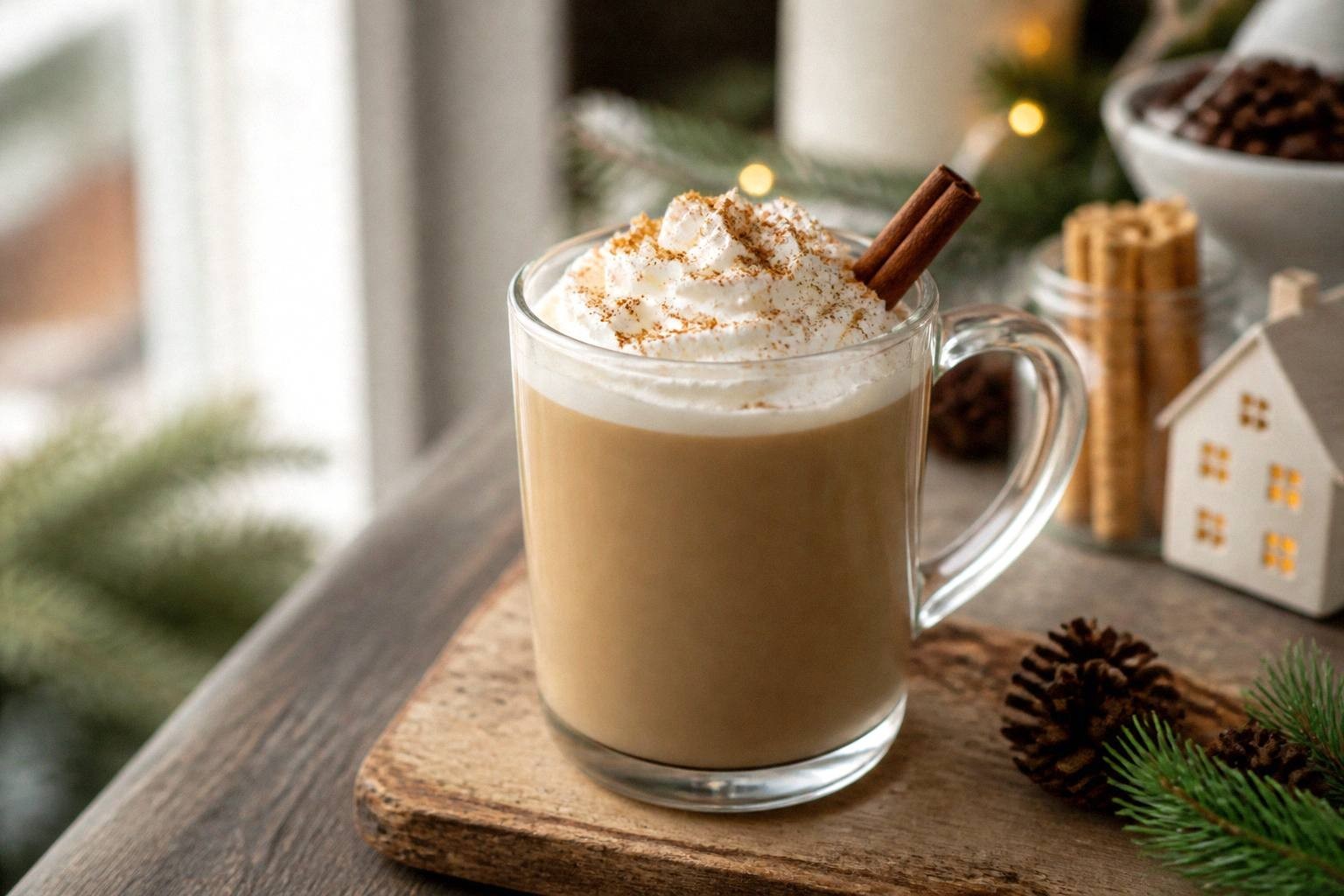
- Pour the steamed milk over the espresso, holding back the foam with a spoon, then spoon the foam over the top.
Serves 1.
How to Make an Iced Vanilla Bean Latte
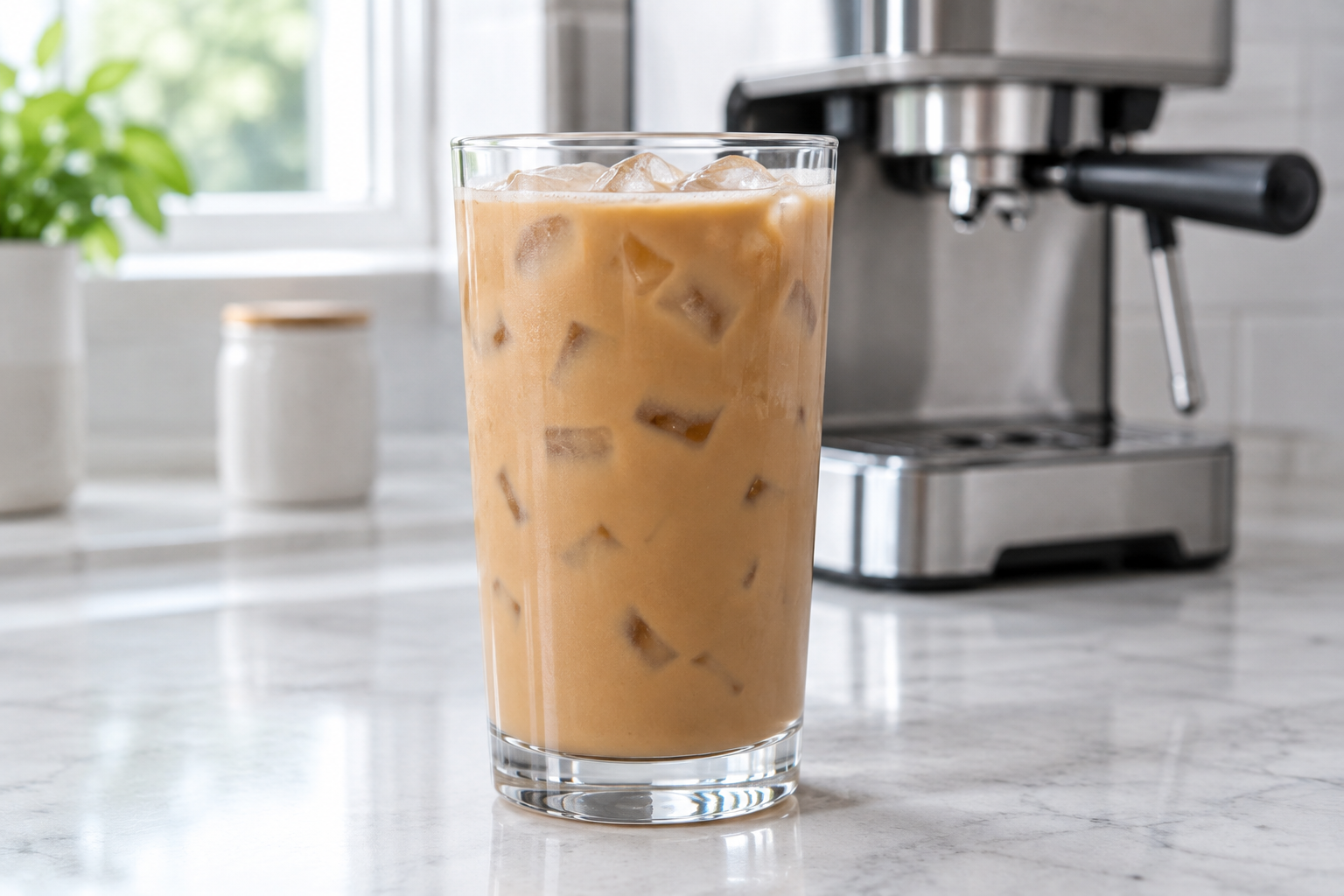
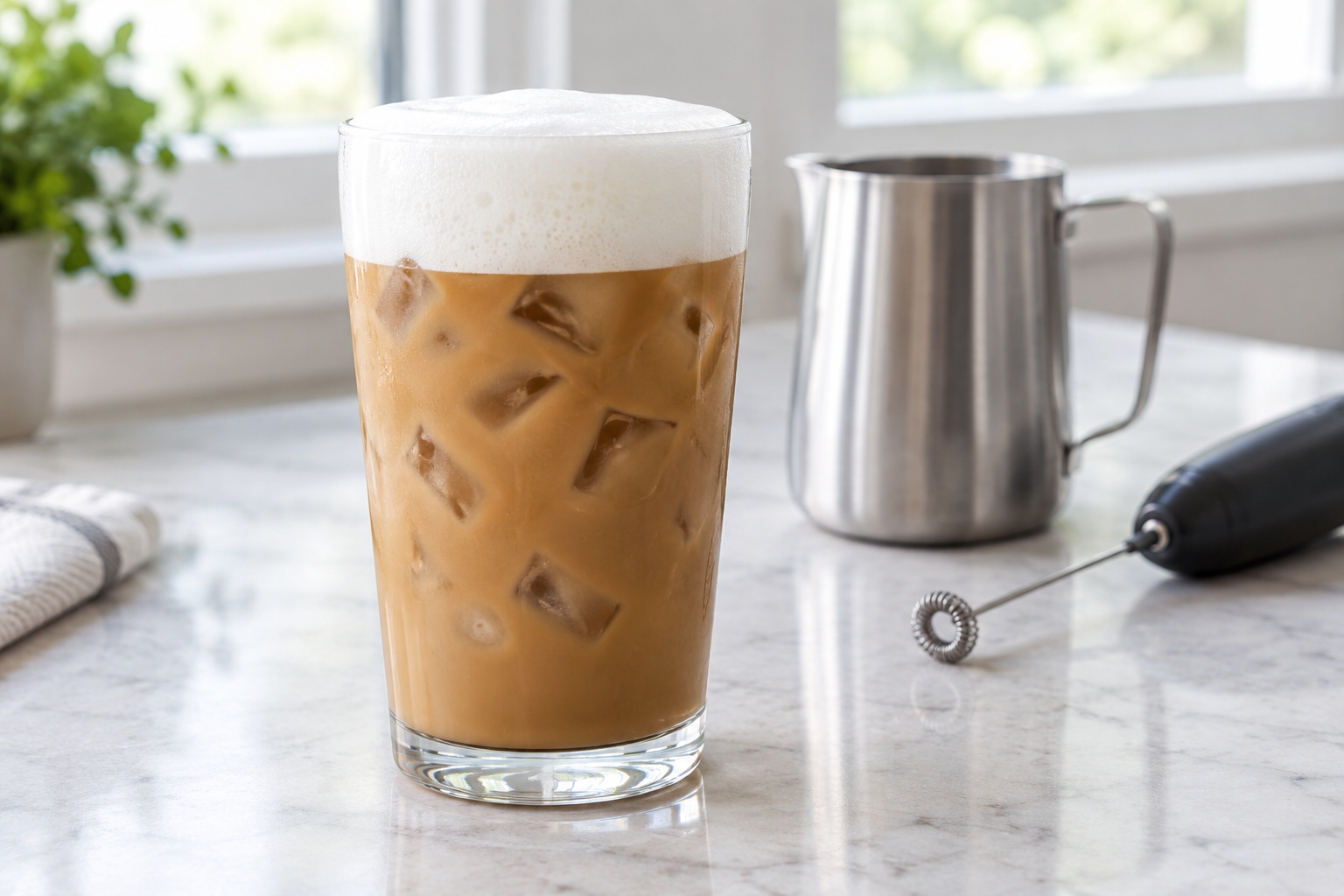
For an iced version, brew the espresso or coffee and let it cool to room temperature, or chill it in the fridge for ten minutes. Fill a tall glass with ice, pour in the cooled coffee, and add the vanilla bean syrup. Stir it well so the syrup doesn’t settle at the bottom.
Pour in cold milk, leaving about an inch of space at the top. If you want cold foam , froth a few tablespoons of cold milk separately and spoon it over the top. Cold foam holds its shape better than hot foam and adds a creamy layer without warming up the drink.
Iced lattes dilute as the ice melts, so use two tablespoons of syrup instead of one. The extra sweetness balances out the water from the melting ice.
Flat Vanilla, Thin Foam and Other Fixes
- The syrup crystallizes in the fridge. This happens when the syrup cools too fast or if you used more sugar than water. Reheat it gently on the stove or in the microwave, stirring until the crystals dissolve, then let it cool more slowly at room temperature before refrigerating it again.
- The milk curdles when you add it to the coffee. This usually means the coffee is too acidic or the milk is too cold. Let the milk come closer to room temperature before heating it, or use a less acidic coffee. Oat milk and whole milk curdle less than skim or almond milk.
- The latte tastes weak. You need more coffee, not more syrup. Brew another shot of espresso or use more grounds when you make the coffee. Adding more syrup just makes it sweeter without fixing the coffee flavor.
- The foam disappears right away. You didn’t froth the milk long enough, or the milk wasn’t hot enough when you frothed it. Heat the milk until it steams, then froth it until it doubles in volume. Whole milk and oat milk hold foam better than skim or almond milk.
- The syrup tastes like vanilla extract, not vanilla bean. The bean didn’t steep long enough. Let the syrup cool completely with the bean still in it, and leave the bean in the jar when you store it. The flavor will keep developing over the first few days.
Make-Ahead and Batching
The vanilla bean syrup is the only part you need to make ahead, and one batch gives you enough for eight lattes or more. Make it on a Sunday and you’ll have it ready for the week. The syrup doesn’t lose flavor in the fridge, and leaving the vanilla bean in the jar keeps it infusing.
If you’re making lattes for a group, brew all the espresso or coffee first and keep it warm in a carafe. Heat the milk in a larger saucepan, about three-quarters of a cup per person, and froth it in batches if your frother can’t handle the full amount at once. Pour the coffee into mugs, add the syrup, then top each one with hot milk and foam.
For iced lattes , brew the coffee ahead and chill it in the fridge. You can make a pitcher by multiplying the ingredient list: two shots of espresso and one to two tablespoons of syrup per person, then cold milk and ice to fill the glasses. Stir the coffee and syrup together in the pitcher before adding the milk so the syrup distributes evenly.
Vanilla Bean Latte Questions
Can you use vanilla extract instead of vanilla bean syrup?
You can, but the flavor won’t be the same. Vanilla extract has an alcohol base that tastes sharp in a latte, and it doesn’t give you the floral sweetness or the black seeds that vanilla bean syrup does. If you’re using extract, add half a teaspoon to the latte along with plain simple syrup for sweetness.
What’s the difference between vanilla bean paste and vanilla bean syrup?
Vanilla bean paste is a thick concentrate made from vanilla beans, sugar, and a stabilizer. It has the seeds and a strong vanilla flavor, but it’s not a syrup, so it won’t sweeten your latte. You’d need to add simple syrup separately. Vanilla bean syrup does both jobs at once.
How much caffeine is in a vanilla bean latte?
A latte made with two shots of espresso has about 120 to 150 milligrams of caffeine, depending on the beans and how the espresso is pulled. If you use a half cup of strong brewed coffee instead, it’ll have slightly less, around 80 to 100 milligrams.
Can you freeze vanilla bean syrup?
You can, but it’s not necessary since the syrup lasts a month or more in the fridge. If you do freeze it, pour it into an ice cube tray so you can thaw one or two tablespoons at a time. Frozen syrup will separate slightly when it thaws, so shake or stir it before using it.
Does the vanilla bean pod go bad in the syrup?
Not if the syrup stays refrigerated. The sugar acts as a preservative, and the pod will keep infusing flavor for weeks. If the syrup starts to smell fermented or looks cloudy, the whole batch has gone bad and you should throw it out.
What milk froths best for a vanilla latte?
Whole milk froths best because the fat content stabilizes the foam. Oat milk is the best plant-based option since it froths almost as well as dairy and has a natural sweetness that works with vanilla. Almond milk and skim milk both froth, but the foam is thinner and breaks down faster.