Learn how to make water kefir at home — a light, effervescent probiotic drink you can flavor with lavender, ginger, hibiscus, or any botanical you love.
What Is Water Kefir?
Water kefir is one of the gentlest, most approachable fermented drinks you can make at home. Unlike dairy kefir — which is cultured in milk — water kefir uses symbiotic colonies of bacteria and yeast (called grains, though they contain neither grain nor gluten) to ferment a simple sugar-water solution. The result is a lightly effervescent, mildly tart beverage that acts as a perfect canvas for botanical flavoring.
The fermentation takes just 24–48 hours for the first stage. Add fruit, herbs, or flowers in a sealed second fermentation and you have a sparkling, probiotic-rich drink that rivals any commercial fizzy beverage — with the advantage of living cultures you nurtured yourself.
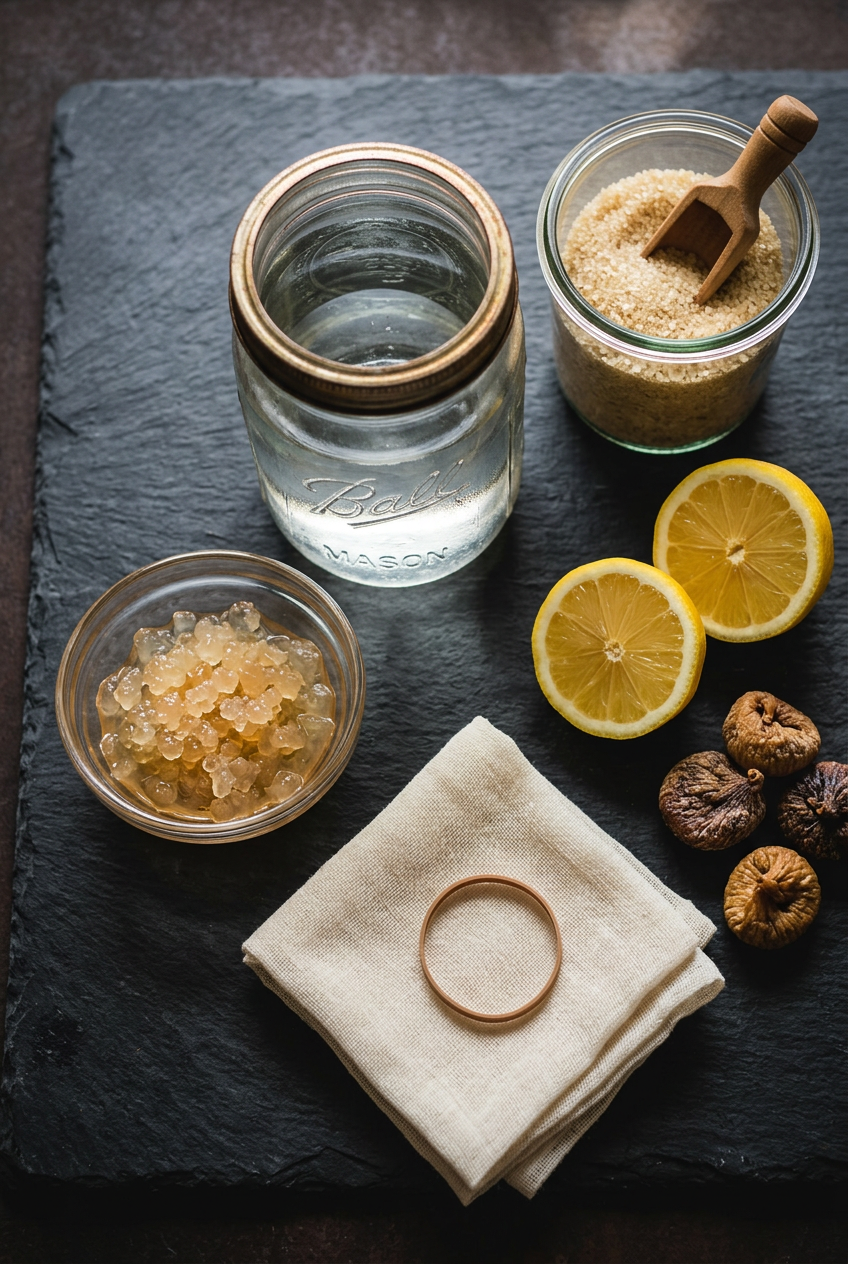
Water kefir grains are translucent and gelatinous — living colonies that wake up fast once fed with sugar water.
What You Will Need
The grains:
- 3–4 Tbsp active water kefir grains (purchased dehydrated or sourced fresh from a brewer)
First fermentation:
- 4 cups filtered or dechlorinated water (not distilled)
- 3 Tbsp organic cane sugar or raw cane sugar
- 1–2 dried figs or dates (provides minerals the grains love)
- 1/4 tsp blackstrap molasses (optional — adds trace minerals)
Equipment:
- 1-quart wide-mouth glass jar
- Cheesecloth or breathable cloth cover + rubber band
- Fine-mesh strainer (non-metal preferred)
- Swing-top or pressure-rated bottles for second fermentation
How to Make It
First Fermentation — 24 to 48 Hours
- Dissolve the sugar in a small amount of warm water, then top up with cool filtered water until the mixture reaches room temperature. Lukewarm, not hot — heat kills the grains.
- Add the grains, dried fig or dates, and molasses if using to the jar.
- Cover with cheesecloth secured with a rubber band. Do not use an airtight lid for first fermentation — the grains need gas exchange.
- Leave at room temperature (68–78°F) for 24–48 hours. Taste at 24 hours: lightly sweet with a subtle tang. At 48 hours it will be more tart and less sweet.
- When ready, strain out the grains and fruit pieces. Reserve the grains for your next batch immediately.
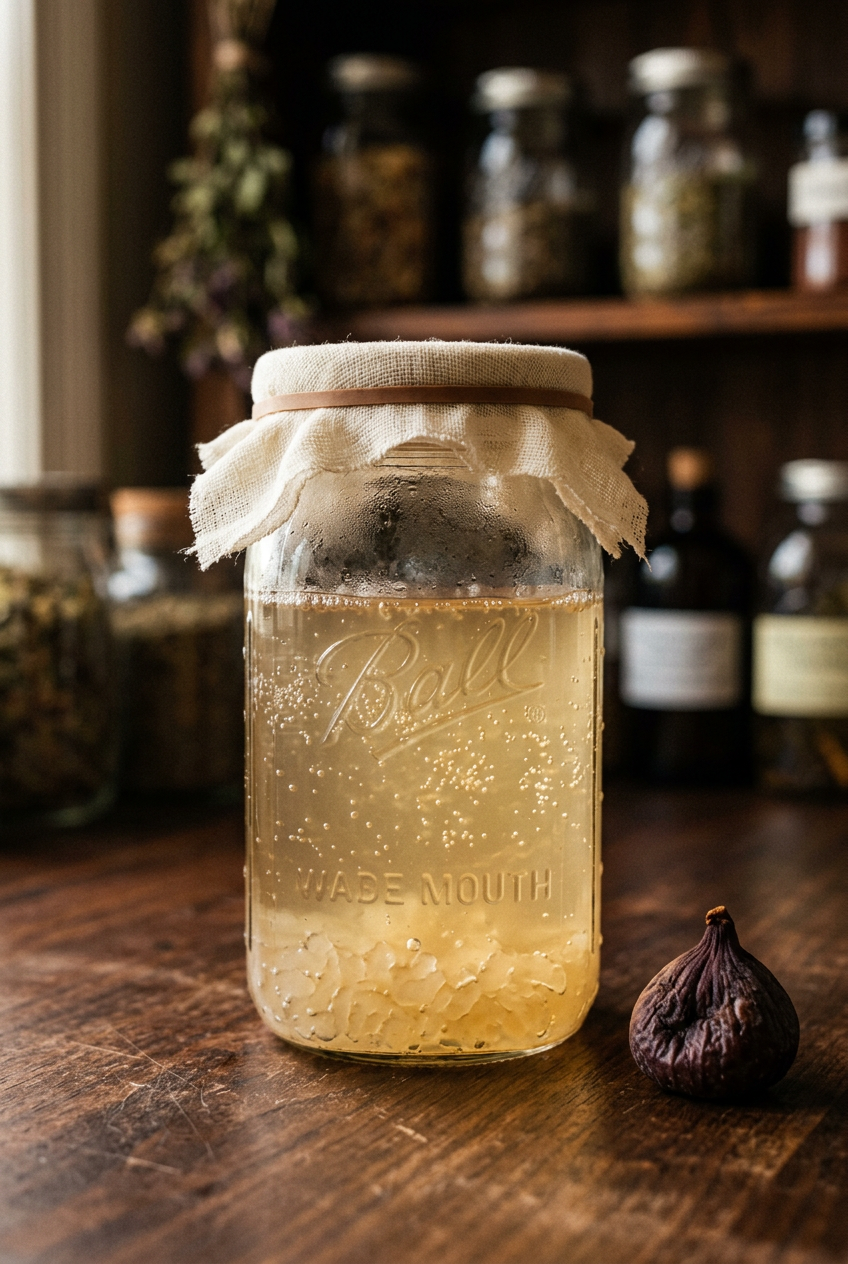
First fermentation: covered loosely, never sealed. The grains need airflow and will multiply each batch if fed well.
Second Fermentation — The Botanical Stage
This is where the magic happens. Second fermentation happens in sealed bottles, building carbonation and concentrating botanical flavors.
- Pour the strained first ferment into swing-top or screw-cap pressure-safe bottles, filling to about 1 inch from the top.
- Add your botanical flavoring (see the guide below) and seal tightly.
- Leave at room temperature for 24–48 hours. Burp the bottles once or twice daily — briefly open to release pressure — to avoid dangerous over-carbonation.
- When bubbly and lightly fizzy, refrigerate. Cold halts fermentation and the drink keeps for 1–2 weeks.
Botanical Flavor Guide for Second Fermentation
| Botanical | Quantity per quart | Character |
|---|---|---|
| Fresh ginger + lemon | 1 tsp grated ginger + juice of 1/2 lemon | Classic, warming, zingy |
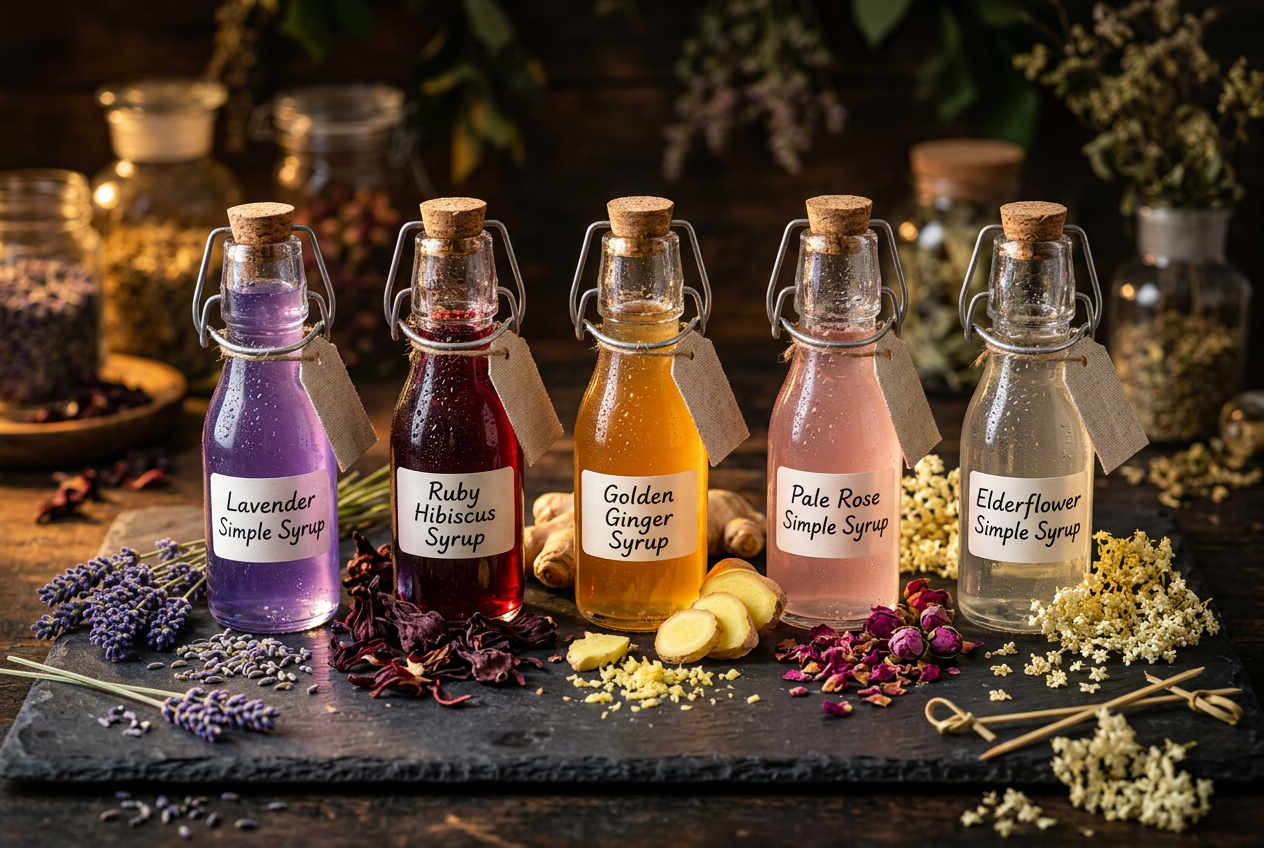
| Hibiscus | 1 Tbsp dried flowers | Deep ruby, tart, vitamin C-rich |
| Lavender + lemon | 1/2 tsp dried culinary lavender + lemon slice | Floral and bright |
| Raspberry + rose | 6–8 raspberries + 1 tsp dried rose petals | Summer perfection |
| Elderflower | 1 Tbsp dried elderflowers | Honey-floral, delicate |
| Ginger + turmeric | 1 tsp grated ginger + 1/4 tsp turmeric | Anti-inflammatory warmth |
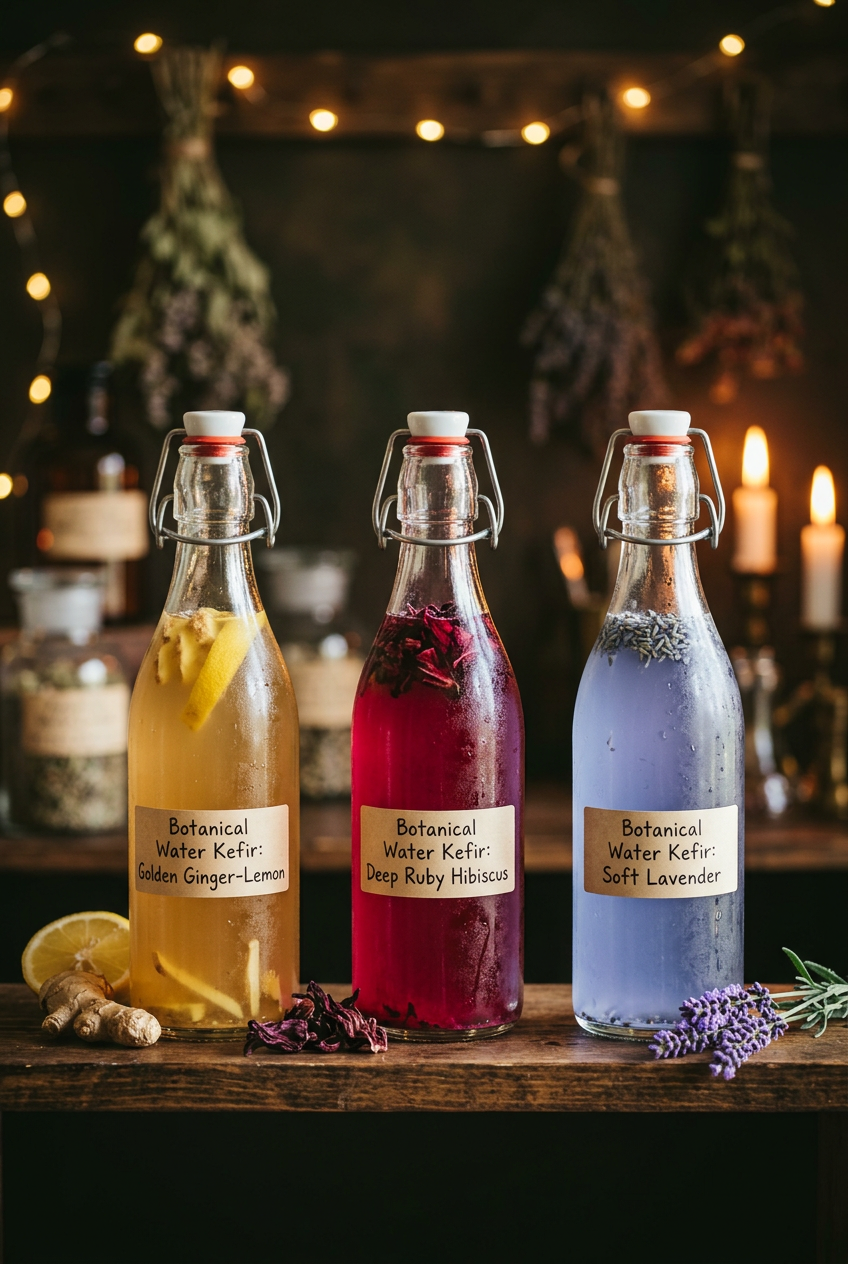
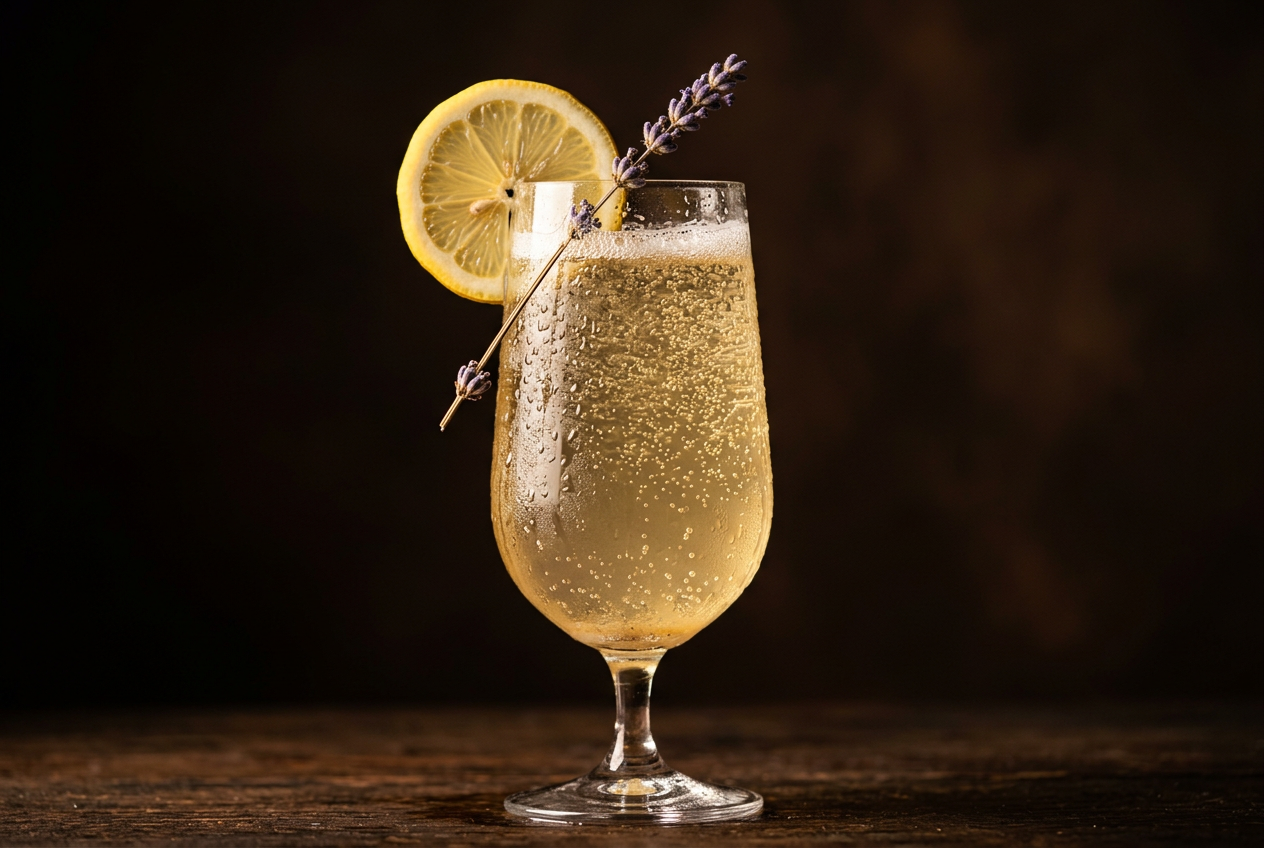
Second ferment in sealed flip-top bottles: this is where fizz builds and botanicals transform plain kefir into something extraordinary.
Caring for Your Grains
Water kefir grains are living colonies that reward consistent care.
- Feed them every 24–48 hours — start a new batch as soon as you strain off the previous one
- Use mineral-rich water — filtered tap water or spring water; avoid distilled water, which lacks the minerals grains need
- Do not use honey as the sole sweetener — its antimicrobial properties can harm the grains over time
- Store in the fridge if taking a break — feed with fresh sugar-water, seal loosely, and refrigerate for up to 2 weeks
Herbalist Notes
Water kefir introduces Lactobacillus and other beneficial bacteria alongside yeasts that support digestive balance. Unlike commercial sparkling drinks, a well-made water kefir contains live cultures and organic acids that survive into the gut. The botanical additions layer functional depth on top of the fermented base: ginger warms and soothes digestion, lavender calms, hibiscus contributes vitamin C and polyphenols.
Start with small amounts (4–6 oz per day) if you are new to fermented foods and allow your microbiome a week or two to adjust before increasing.
Craft. Infuse. Transform.