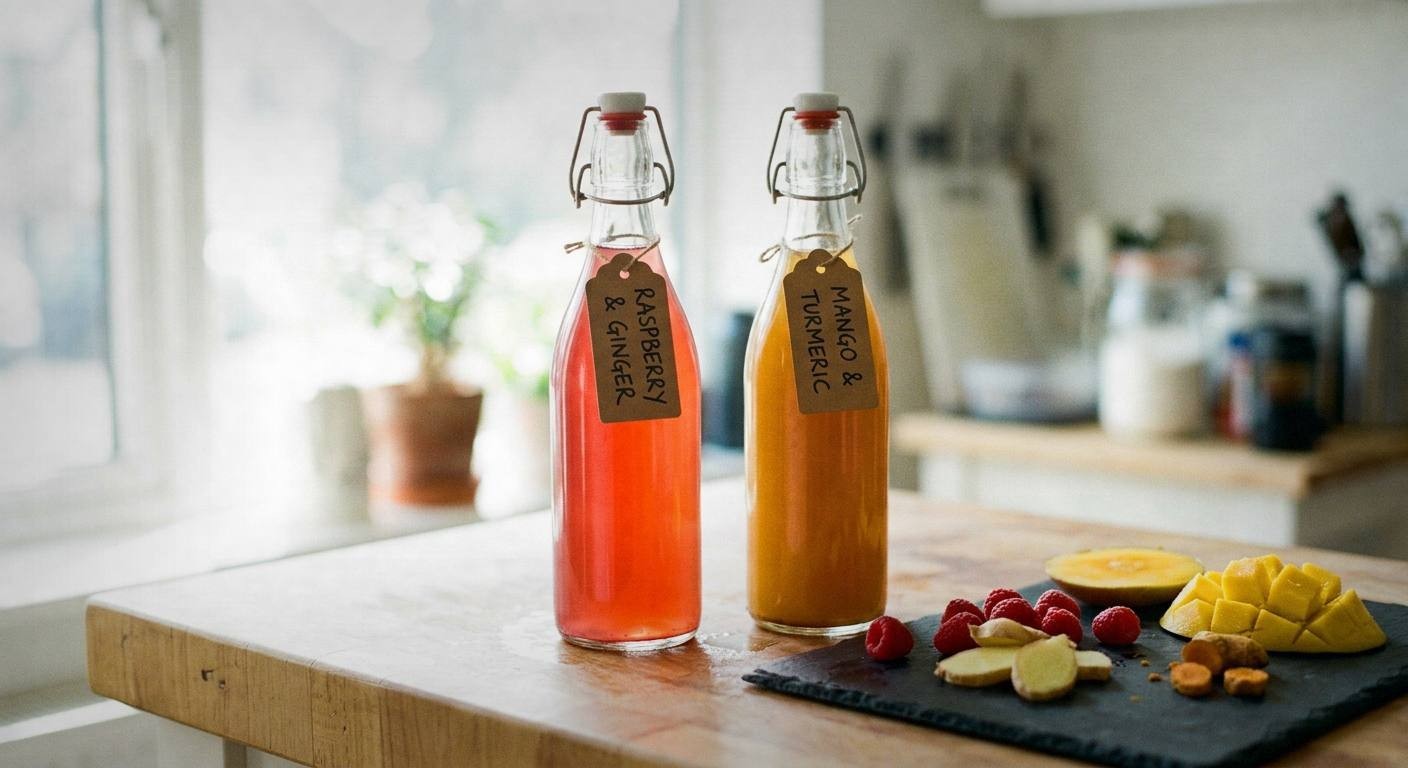
Try these 10 water kefir second fermentation flavors with exact fruit-to-kefir ratios, from ginger lemon to passion fruit. Probiotic soda recipes.
Second fermentation is where plain water kefir becomes something worth pouring for guests. You’ve already done the hard part: feeding the grains, waiting 24 to 48 hours, straining. Now the strained kefir goes into a sealed bottle with fruit, herbs, or spices, and biology takes over. Sugars from the fruit feed residual bacteria and yeast. Carbon dioxide builds with nowhere to escape. In one to two days, you’ve got a fizzy, flavored probiotic soda that costs pennies per bottle.
These 10 combinations are tested for carbonation, flavor balance, and visual appeal. Each one uses a simple ratio: roughly 10 to 20 percent fruit by volume to one quart of finished water kefir. Too little fruit gives weak flavor. Too much overwhelms the tang and can make bottles dangerously pressurized.
If you are new to water kefir, start with the base recipe first. Already have a batch of kombucha going? These same flavors work for kombucha second fermentation too.
At a Glance
| Detail | Info |
|---|---|
| Base needed | 1 quart strained first-ferment water kefir per flavor |
| Fruit ratio | 2-4 Tbsp per quart (10-20% by volume) |
| Ferment time | 24-48 hours at room temperature, sealed |
| Carbonation | Burp bottles daily to prevent over-pressurization |
| Storage | Refrigerate once fizzy, drink within 2 weeks |
Before You Start
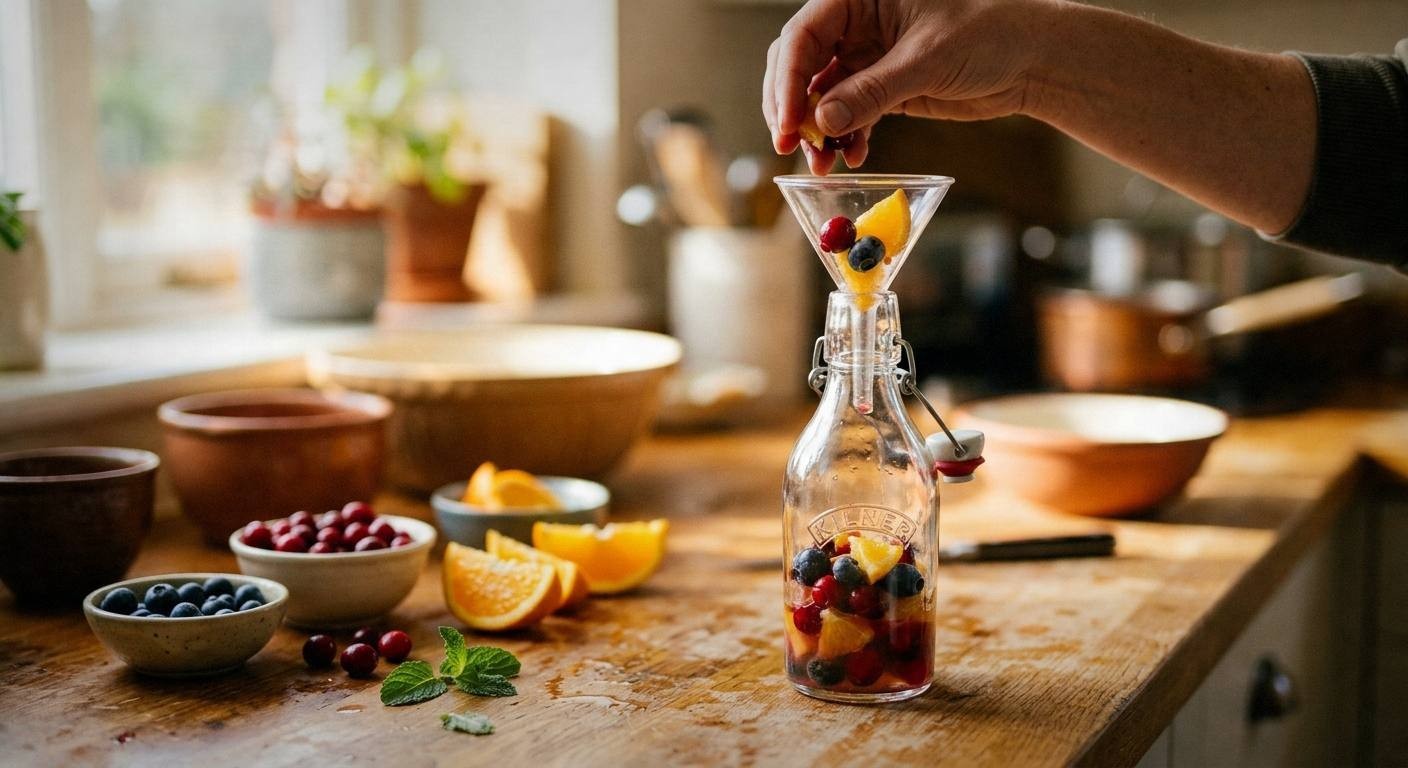
Use pressure-rated bottles. Swing-top (Grolsch-style) bottles or thick-walled glass with bail closures handle carbonation safely. Thin glass can shatter. Never use Mason jars with standard lids for sealed fermentation.
Burp daily. Open the cap briefly, let gas hiss out, reseal. This is non-negotiable, especially in warm kitchens above 75°F.
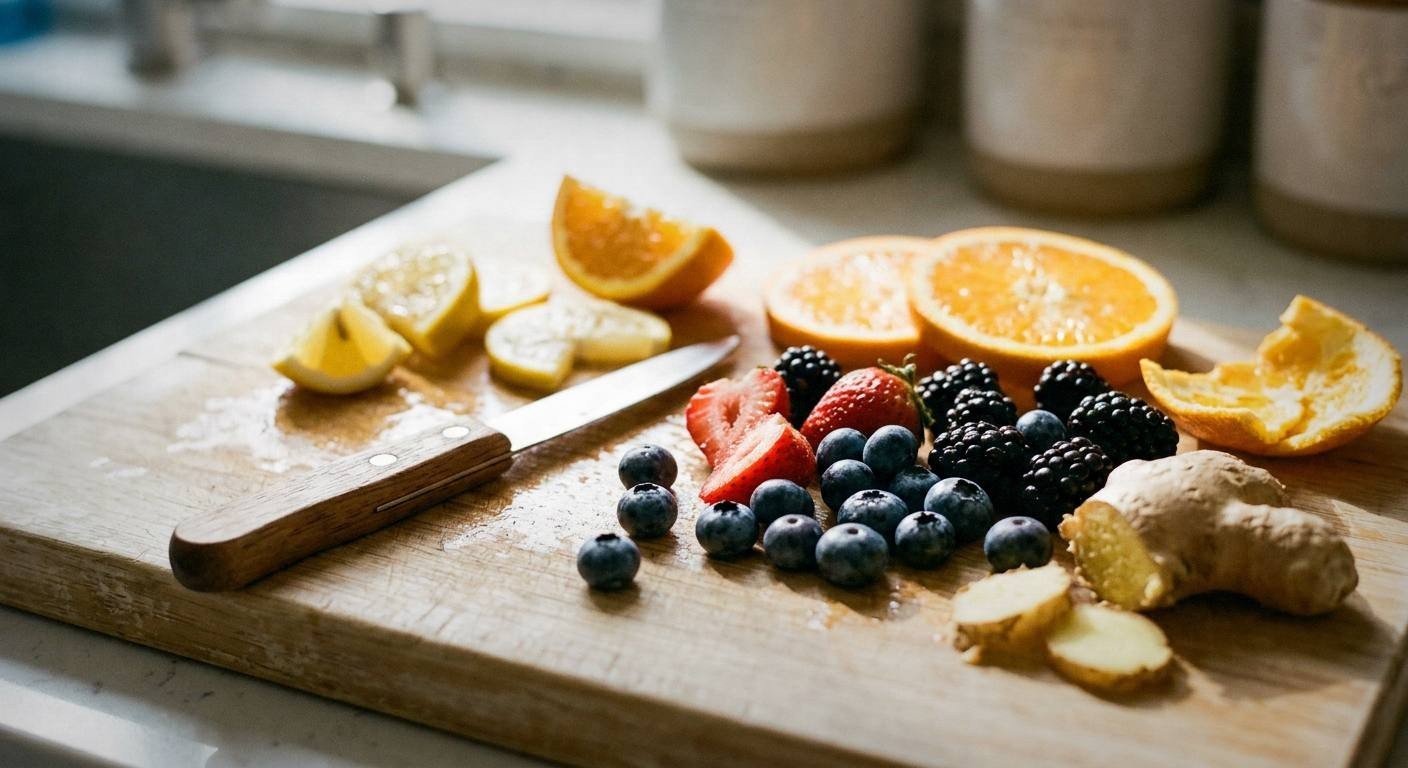
Fruit size matters. Chopped or mashed fruit releases sugar faster than whole fruit. Frozen fruit works well because freezing ruptures cell walls, speeding up flavor extraction.
Temperature controls speed. At 72°F, expect 36 to 48 hours. Above 78°F, check at 18 hours. Below 65°F, you might need 3 days.
The 10 Flavors
1. Ginger Lemon
The classic. Bright, sharp, and effervescent.
- 1 Tbsp freshly grated ginger
- Juice of half a lemon (about 1 Tbsp)
- 1 tsp raw honey (optional, boosts carbonation)
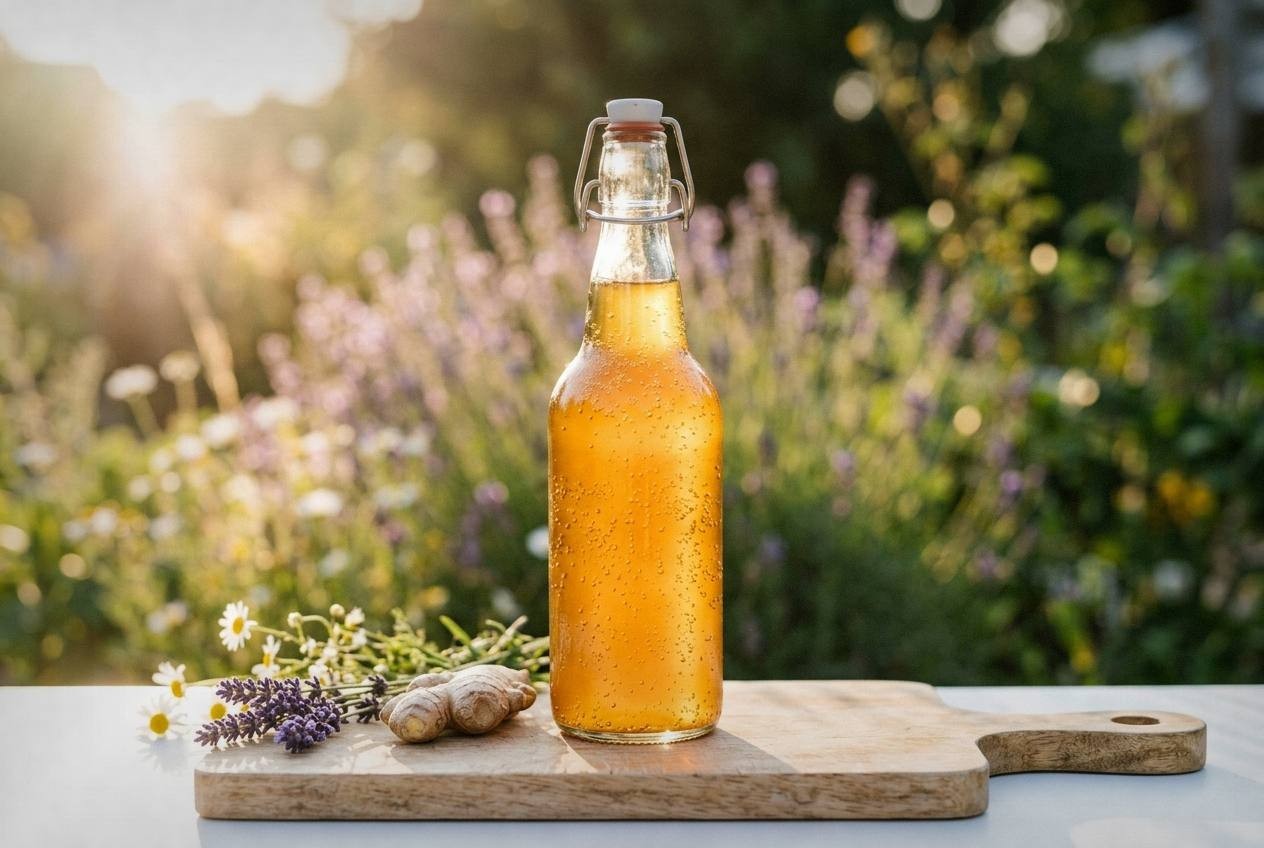
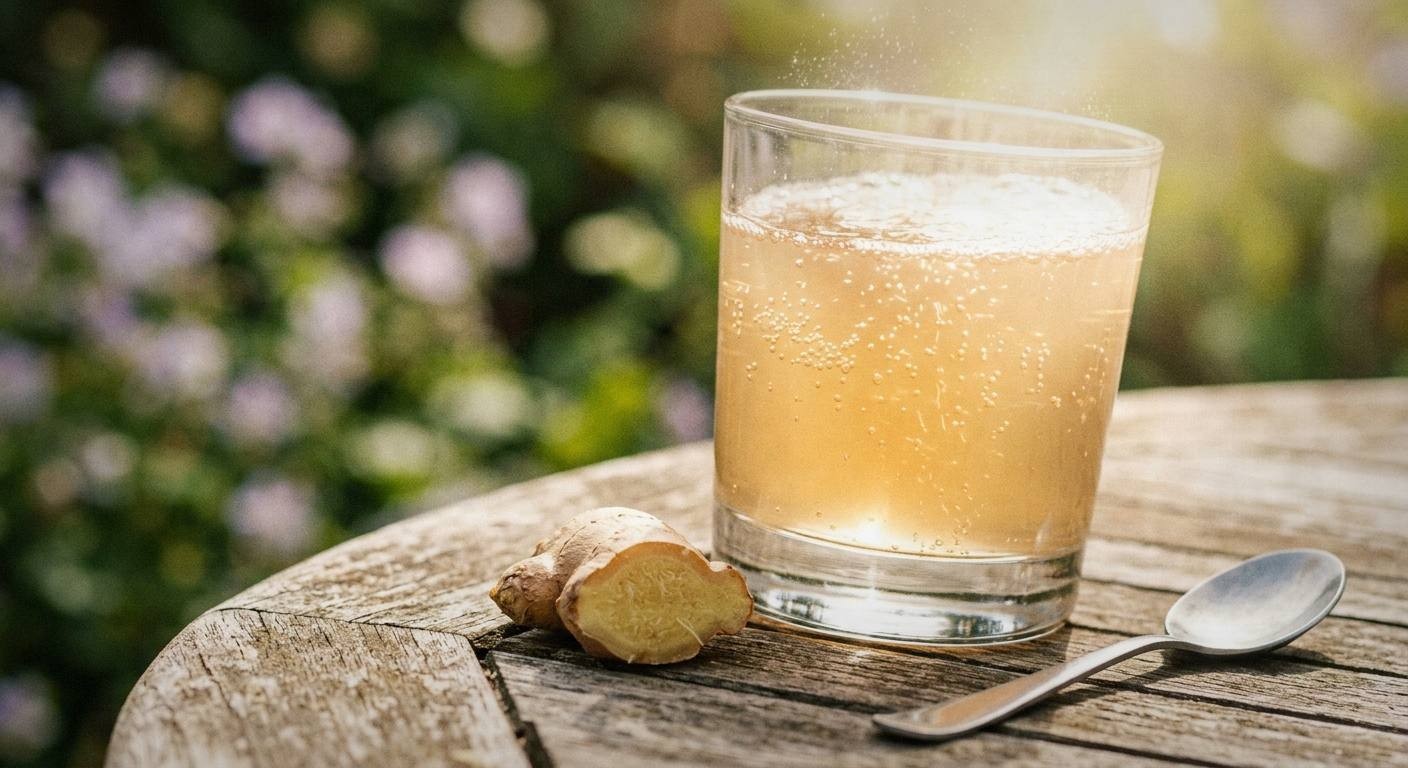
Ginger is a fermentation accelerator. This one carbonates fast, often fizzy in 24 hours. The lemon adds citric acid that keeps the pH low and the flavor clean. If you only try one flavor, make it this one.
2. Strawberry Basil
Sweet berry with an aromatic herbal finish.
- 3 Tbsp mashed fresh strawberries (about 3 large berries)
- 4 fresh basil leaves, lightly bruised
Strawberries carry enough natural sugar to push carbonation hard. The basil adds a peppery, almost anise-like note that keeps the sweetness from tipping into candy territory. Remove the basil after 24 hours if you want a lighter herb presence.
3. Mango Habanero
Tropical heat that sneaks up on you.
- 3 Tbsp diced ripe mango (fresh or frozen)
- 1 thin slice of habanero pepper (seeds removed for moderate heat)
Start with a single thin slice. Capsaicin intensifies during fermentation. After 24 hours, taste carefully. The mango provides enough sugar for excellent carbonation while the habanero delivers a slow burn that lingers well after each sip.
4. Blueberry Lavender
Deep purple, floral, and calming.
- 3 Tbsp fresh or frozen blueberries, lightly mashed
- 1/4 tsp dried culinary lavender
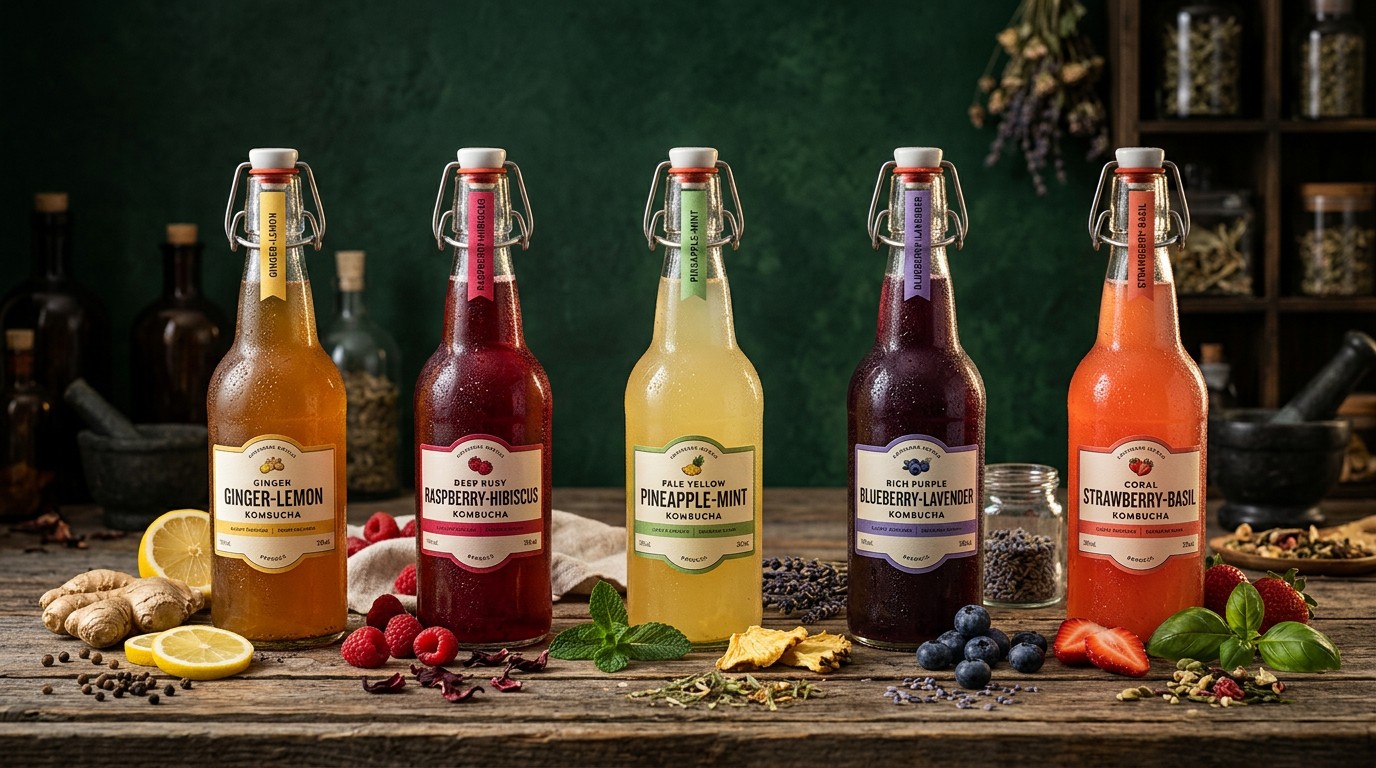
A little lavender goes a long way. Too much tastes soapy. The blueberries stain the kefir a gorgeous violet within hours. This is the most visually striking flavor on the list and tastes like something from a specialty soda shop.
5. Pineapple Mint
Bright, tropical, and cooling.
- 3 Tbsp diced fresh pineapple
- 5 fresh mint leaves, lightly slapped
Pineapple is extremely sugar-dense. Expect aggressive carbonation. Burp this one twice daily. The mint rounds off the acidity and adds a cool finish. Strain before drinking unless you enjoy pineapple bits.
6. Raspberry Lime
Tart layered on tart, in the best way.
- 3 Tbsp fresh raspberries, lightly crushed
- Juice of half a lime (about 1 Tbsp)
Raspberries create beautiful pink color and gentle sediment. The lime sharpens everything. This combination tastes remarkably close to a commercial raspberry soda, with the added benefit of live probiotics. A study in Food Microbiology confirmed that fruit-based water kefir fermentation supports diverse populations of beneficial Lactobacillus.
7. Peach Ginger
Soft stone fruit warmth with a ginger kick.
- 3 Tbsp diced ripe peach (fresh or frozen)
- 1 tsp freshly grated ginger
Peach and ginger is a combination worth building your summer around. The peach dissolves into silky sweetness while the ginger provides backbone. Frozen peaches work perfectly here since the cell walls break down during thawing.
8. Grape Rosemary
Unexpected, sophisticated, and deeply savory.
- 3 Tbsp halved red or Concord grapes
- One 2-inch sprig of fresh rosemary
This is the flavor that surprises people. The grapes ferment into something close to a dry sparkling wine, and the rosemary adds a pine-like savoriness. Remove the rosemary after 24 hours to prevent bitterness.
9. Watermelon
Pure summer in a bottle. Minimal ingredients, maximum refreshment.
- 4 Tbsp fresh watermelon juice (blend and strain watermelon chunks)
Use juice rather than chunks. Watermelon flesh disintegrates into pulp during fermentation, making a mess. Pure juice gives a clean, pastel-pink kefir with delicate melon sweetness. This one is lower in sugar than most fruits, so give it the full 48 hours for carbonation.
10. Passion Fruit
Tropical, tart, intensely aromatic.
- Pulp of 1 fresh passion fruit (seeds and all)
- 1 tsp raw honey (optional, balances acidity)
Passion fruit is naturally acidic, which pairs brilliantly with the tang of water kefir. The seeds are edible and add a pleasant crunch. If fresh passion fruit is unavailable, 2 Tbsp of frozen passion fruit puree works. The aroma when you pop the bottle cap is worth the effort alone.
How Second Fermentation Actually Works
First fermentation uses water kefir grains (a SCOBY of bacteria and yeast) to convert sugar into organic acids, CO2, and a small amount of alcohol (typically under 0.5%). When you strain out the grains and seal the liquid in a bottle with fruit, residual microorganisms keep working. They consume the fruit sugars and produce more CO2. In a sealed bottle, that gas dissolves into the liquid. Open the cap and it fizzes out, just like commercial soda.
The fruit also contributes flavor compounds, pigments, and additional nutrients. Anthocyanins from blueberries, bromelain from pineapple, gingerols from ginger root. Fermentation can change these compounds slightly, sometimes intensifying flavor, sometimes mellowing sharp edges.
Want more on second fermentation technique? The spring kombucha flavors guide covers similar principles for kombucha.
Variations
Boost carbonation: Add 1/2 tsp of sugar or honey to any flavor before sealing. More food for the microbes means more CO2.
Reduce sweetness: Ferment longer (48 hours instead of 24). The microbes consume more sugar, leaving a drier, tangier result.
Mix and match: Combine elements from different flavors. Strawberry-ginger. Mango-mint. Blueberry-lime. The base ratios stay the same: 2 to 4 Tbsp of fruit per quart.
Spice additions: A pinch of ground cardamom, a cinnamon stick, or 2 whole cloves can replace herbs in any combination. Add sparingly. Spices intensify during fermentation.
Common Questions
How do I know when second fermentation is done? Open the bottle slightly. If you hear a strong hiss and see bubbles rising, it is ready. No hiss after 48 hours usually means the fruit lacked enough sugar. Add 1/2 tsp honey, reseal, and wait another 24 hours.
Can I use dried fruit instead of fresh? Yes, but reduce the quantity by half. Dried fruit is concentrated in sugar and can cause over-carbonation. Dates, raisins, and dried apricots all work. Avoid dried fruit with sulfur dioxide preservatives, which can inhibit fermentation.
Is the alcohol content safe? Water kefir second fermentation typically produces 0.5 to 1.5% ABV, comparable to kombucha. Longer fermentation and higher sugar content push this higher. For minimal alcohol, ferment for only 24 hours and refrigerate promptly.
My bottles keep exploding. What am I doing wrong? Too much sugar, too warm, or not burping enough. Use less fruit, move bottles to a cooler spot (65 to 70°F), and burp twice daily. Always use pressure-rated bottles, never standard glass jars.

Camille writes about botanical drinks, herbal cocktails, and the old plant wisdom that makes them work. Most days you'll find her in the garden or the kitchen, turning herbs into something worth sipping.