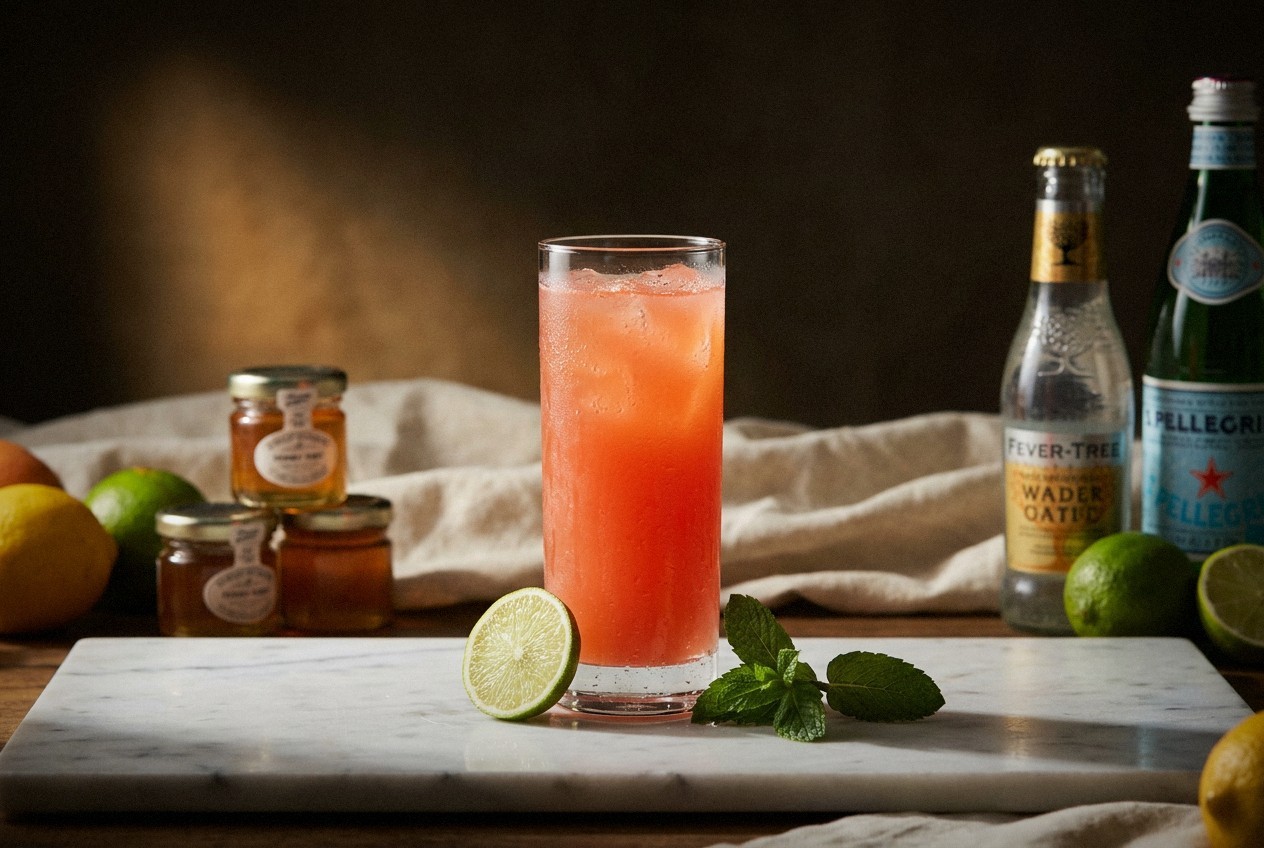
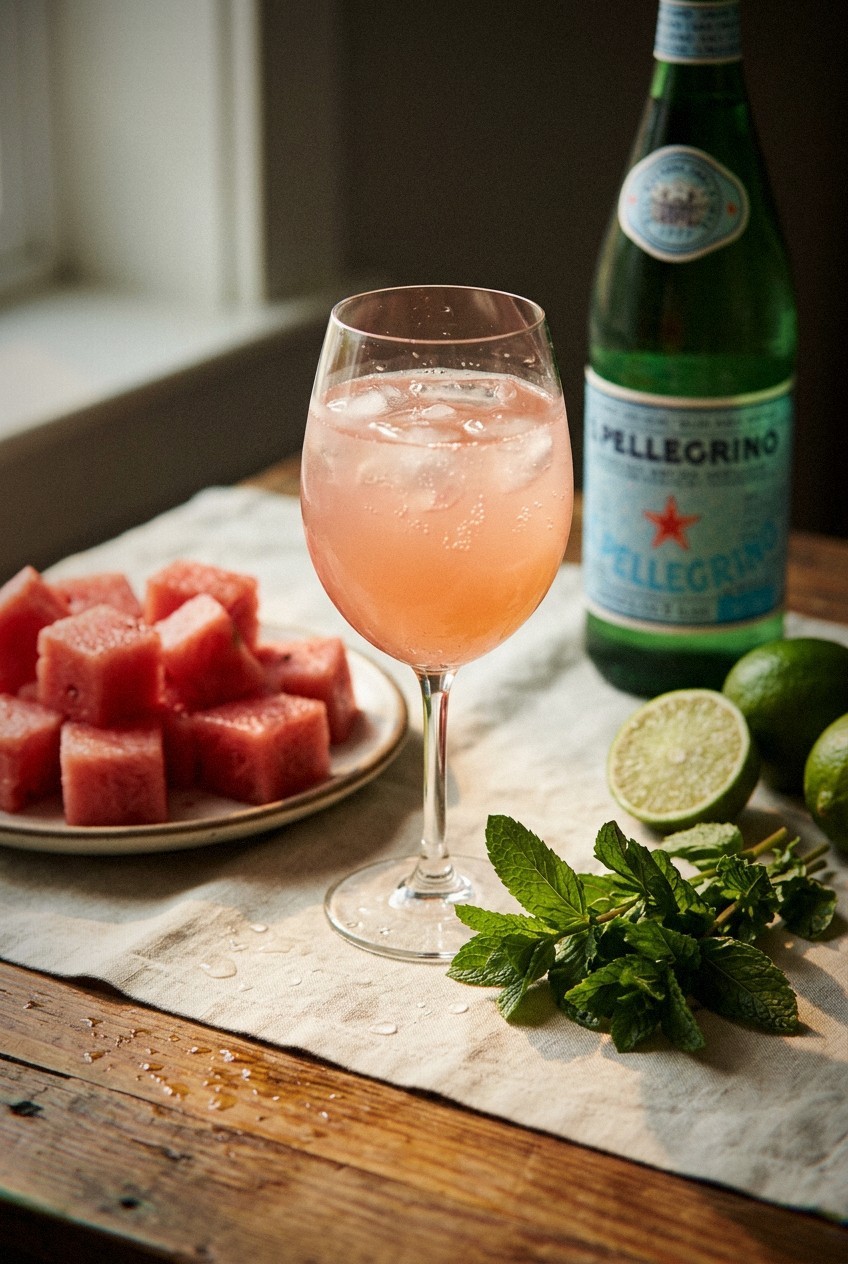
Fresh watermelon, bright lime, and cooling mint create the ultimate hydrating mocktail. Get the recipe for this electrolyte-rich summer drink.
Why You Will Love This
Watermelon contains 92% water by weight, making it one of nature’s most efficient hydration tools. Add mint’s cooling menthol compounds and lime’s vitamin C, and you have a drink that tastes like August even when the calendar says March. This cooler requires no sweetener because ripe watermelon delivers 6-8 grams of natural sugar per cup, enough to satisfy without spiking blood glucose the way cane sugar does.
The Story Behind It
I started making this cooler after reading a 2015 study from the Journal of Agricultural and Food Chemistry showing watermelon’s L-citrulline content (an amino acid that converts to L-arginine) can reduce muscle soreness by 40% when consumed an hour before exercise. The first version was just blended watermelon. Then I added mint after a conversation with an Ayurvedic practitioner who explained that mint’s cooling properties (known as sheeta virya in Sanskrit) complement watermelon’s natural hydration. The lime came last, a citric acid boost that helps your body absorb the trace minerals watermelon carries.
What You Will Need
- 4 cups seedless watermelon, cubed (about 1/4 of a medium melon)
- 12 fresh mint leaves (spearmint or peppermint both work)
- 2 tablespoons fresh lime juice (from 1 large lime)
- 1 cup ice cubes
- Lime wheels for garnish
- Mint sprigs for garnish
How to Make It
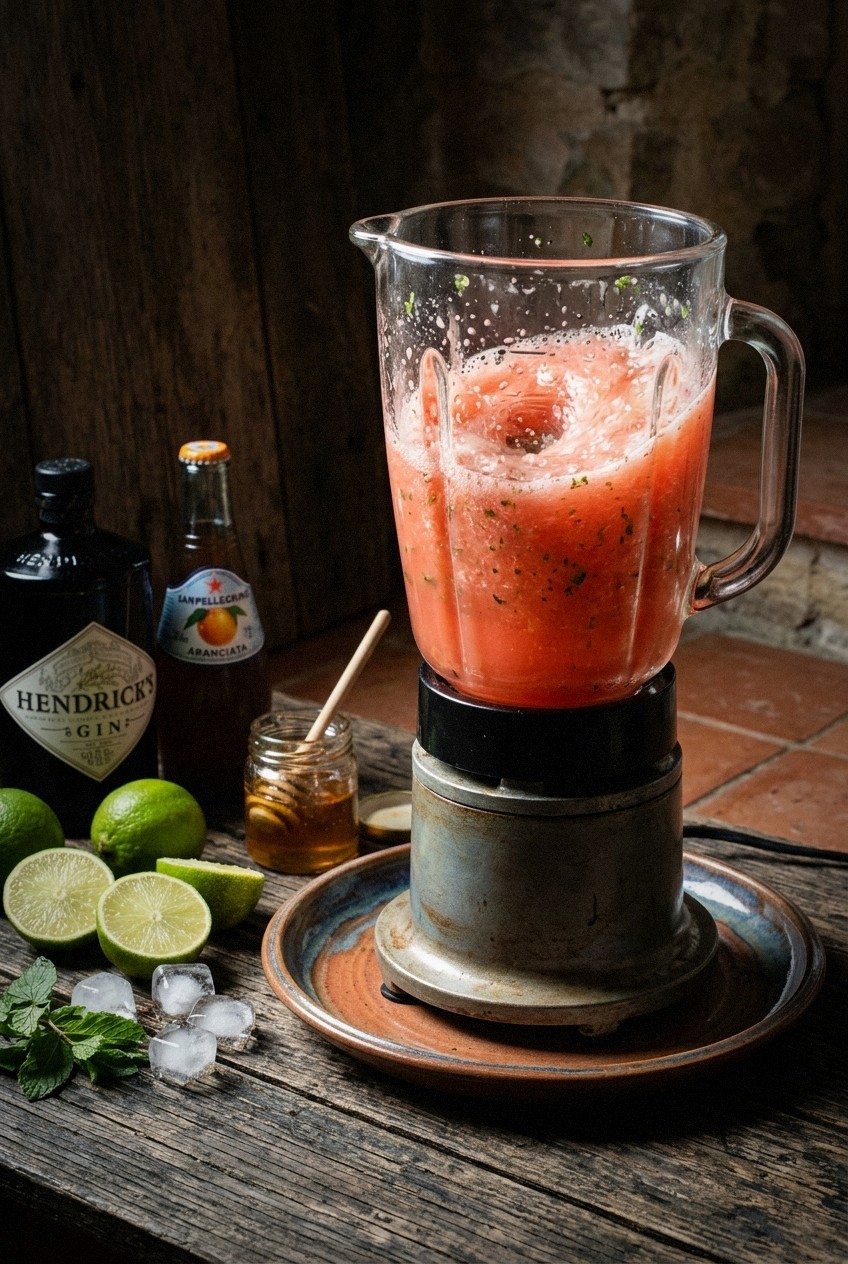
Add watermelon cubes to a blender and blend on high for 30 seconds until completely smooth.
Add mint leaves and lime juice. Pulse 3-4 times until mint is chopped but still visible as green flecks.
Fill two tall glasses with ice cubes.
Pour the watermelon mixture through a fine-mesh strainer into the glasses if you prefer no pulp, or pour directly for more fiber.
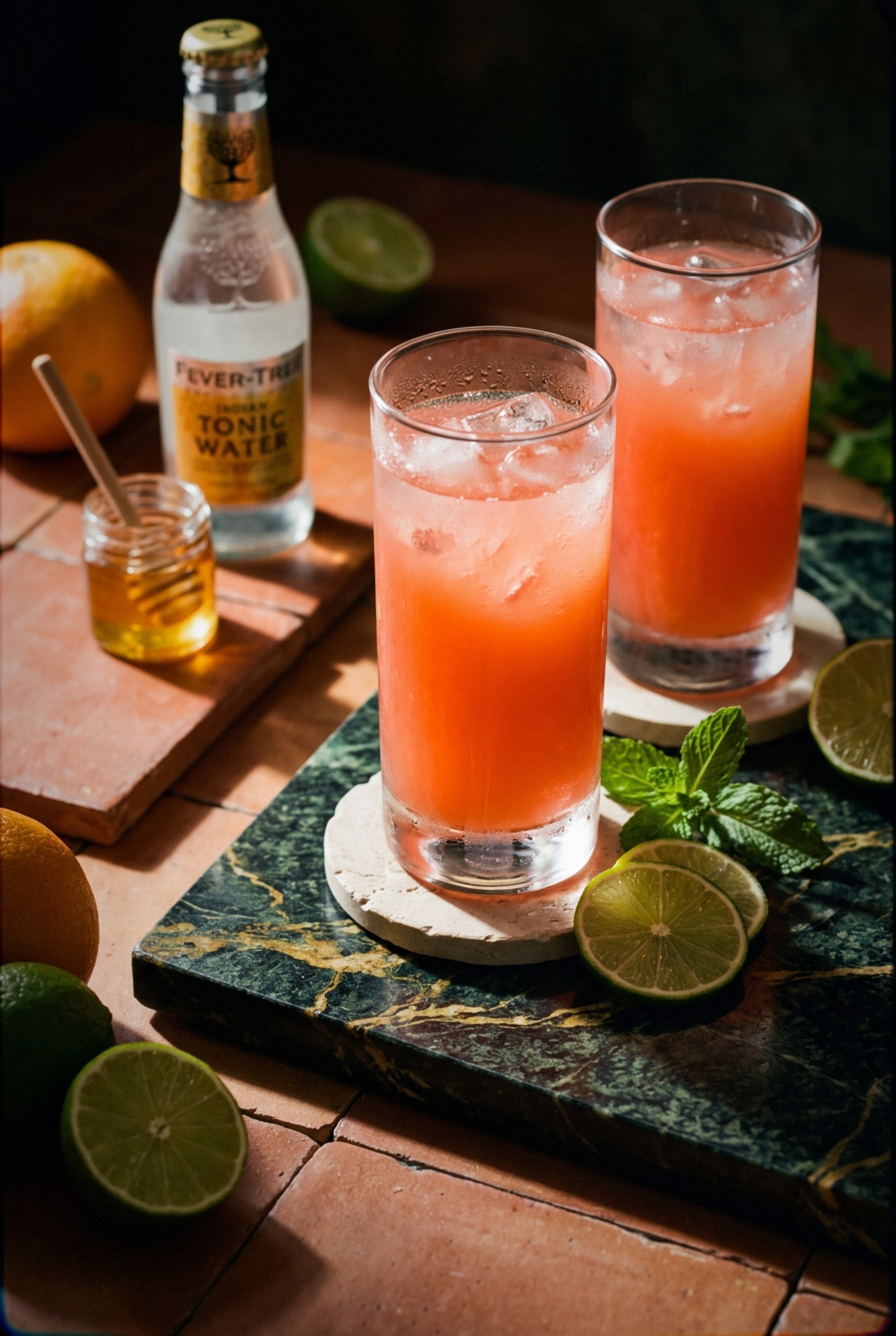
Garnish each glass with a lime wheel and fresh mint sprig. Serve immediately.
Herbalist Notes
Watermelon’s electrolyte profile: One cup provides 170mg potassium, 15mg magnesium, and trace amounts of calcium and phosphorus. That is not Gatorade levels, but it is enough to support hydration when you are not engaged in extreme endurance activity. The L-citrulline content ranges from 0.7 to 3.6 grams per kilogram of fresh watermelon flesh, with the highest concentrations in yellow-fleshed varieties.
Mint’s cooling mechanism: Menthol binds to TRPM8 receptors in your mouth and throat, the same cold-sensing receptors that respond to actual temperature drops. This is why mint makes you feel cooler even when the drink is room temperature. Peppermint contains 40% menthol by essential oil weight. Spearmint has only 0.5% menthol but higher carvone content, which gives a sweeter, less intense cooling effect.
Lime juice timing matters: Citric acid degrades chlorophyll in mint leaves, turning them brown within 20 minutes of contact. Add the lime just before serving, or keep it separate until the last moment if you are making a batch.
Make It Your Own
For a probiotic boost, add 2 tablespoons of water kefir or kombucha after blending. The slight fizz and tangy edge work beautifully with watermelon’s sweetness. If you want a frozen version, skip the ice and freeze the watermelon cubes overnight before blending. The texture becomes slushy and holds its chill for 30-40 minutes. For an adult variation, muddle the mint with 1 ounce of white rum or vodka before adding the watermelon blend.
Common Questions
How do I pick the best watermelon for this recipe?
Look for a melon with a creamy yellow spot (the field spot where it sat on the ground), not white or green. It should feel heavy for its size, indicating high water content. Tap the side with your knuckles. A ripe melon produces a deep hollow sound, while an underripe one sounds higher-pitched and metallic. The sugar content in a ripe watermelon ranges from 10-12% by weight, compared to 6-8% in an underripe specimen.
Can I make this ahead and store it?
You can blend the watermelon base up to 24 hours in advance and refrigerate it in an airtight container. Add the mint and lime only when you are ready to serve. The chlorophyll in mint oxidizes quickly once the leaves are bruised, and the drink will taste grassy and look muddy if you blend mint more than 2 hours before serving. Watermelon juice separates as it sits, so shake or stir before pouring.
Does this actually help with hydration better than water?
Watermelon’s combination of water, natural sugars, and electrolytes makes it marginally more effective than plain water for rehydration after moderate exercise. A 2013 study in the Journal of the International Society of Sports Nutrition found that watermelon juice reduced heart rate recovery time by 4% and muscle soreness by 40% compared to water alone, likely due to the L-citrulline content. But if you are doing intense endurance work (90+ minutes of sustained effort), you need more sodium than watermelon provides. This drink works best for everyday hydration and light to moderate activity recovery.